Running Shoes for People With Bunions

People with bunions often struggle to find comfortable running shoes that do not put pressure on the affected joint. Bunions occur when the big toe shifts inward, causing a bony prominence at its base that can become irritated by wearing tight or narrow footwear. The best running shoes for bunions should have a wide toe box to allow natural toe splay and reduce friction against the bunion. Soft, flexible uppers can help accommodate the foot’s shape, preventing unnecessary pressure. Proper arch support and cushioning are also important, as they help distribute weight evenly and reduce strain on the forefoot. A well-cushioned midsole absorbs impact while running, which can minimize discomfort and prevent further stress on the bunion. Shoes with an adjustable closure system, such as laces or straps, provide a secure fit without constricting the foot. A podiatrist can evaluate your foot structure and gait mechanics to recommend appropriate footwear, custom orthotics, or other treatment as needed. If you are a runner with bunions, it is suggested that you schedule an appointment with a podiatrist for an exam, diagnosis, and treatment options.

You should always make sure your running shoes fit properly in order to avoid injury. For more information, contact Peter Siroka, DPM from Connecticut. Our doctor can provide the care you need to keep you pain-free and on your feet.

Choosing the Right Running Shoe for Your Foot Type

Improper shoe sizing can cause a myriad of problems for your feet. Shoes that don’t fit you properly can lead to muscular imbalances in your body, which can result in foot, knee, and hip injuries.

Tips for Finding the Right Running Shoe

  • Make sure you have a thumb’s width of wiggle room between the end of your longest toe and the front of the shoe.
  • There should be little to no slipping at the heel
  • Don’t assume your size in one shoe brand will be your size in another
  • Do not lace up your shoes too tightly
  • Walk around in the store with your new shoes before you buy them

If you have any questions, please feel free to contact our office located in Stamford, CT . We offer the newest diagnostic and treatment technologies for all your foot care needs.

Read more about Choosing the Right Running Shoe

Common Causes of Ankle Pain While Cycling

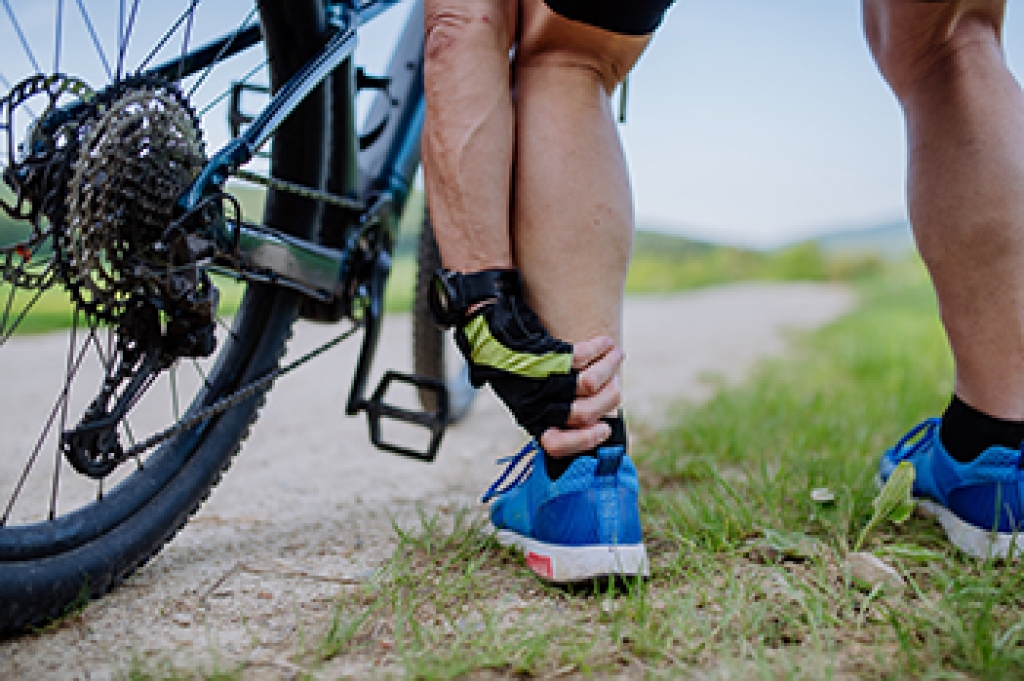
Ankle pain during cycling can result from various factors that affect the biomechanics of pedaling. One common cause is an improper ankle angle, which occurs when the foot position during pedaling is too high or low, leading to unnecessary strain on the ankle joint. Another contributor is a saddle set too high, which forces the rider to overextend their legs, putting added pressure on the ankles. Incorrect lateral placement of the cleats can also cause ankle pain, as this misalignment disrupts the natural pedaling motion, leading to excessive stress on the foot and ankle. Ensuring the correct saddle height, optimal ankle angle, and proper cleat placement can significantly reduce the risk of ankle pain while cycling, If you enjoy cycling and have developed ankle pain, it is suggested that you consult a podiatrist who can offer effective relief tips, and guide you on additional methods to protect your ankles while biking.

Ankle pain can be caused by a number of problems and may be potentially serious. If you have ankle pain, consult with Peter Siroka, DPM from Connecticut. Our doctor will assess your condition and provide you with quality foot and ankle treatment.

Ankle pain is any condition that causes pain in the ankle. Due to the fact that the ankle consists of tendons, muscles, bones, and ligaments, ankle pain can come from a number of different conditions.

Causes

The most common causes of ankle pain include:

  • Types of arthritis (rheumatoid, osteoarthritis, and gout)
  • Ankle sprains
  • Broken ankles
  • Achilles tendonitis
  • Achilles tendon rupture
  • Stress fractures
  • Bursitis
  • Tarsal tunnel syndrome
  • Plantar fasciitis

Symptoms

Symptoms of ankle injury vary based upon the condition. Pain may include general pain and discomfort, swelling, aching, redness, bruising, burning or stabbing sensations, and/or loss of sensation.

Diagnosis

Due to the wide variety of potential causes of ankle pain, podiatrists will utilize a number of different methods to properly diagnose ankle pain. This can include asking for personal and family medical histories and of any recent injuries. Further diagnosis may include sensation tests, a physical examination, and potentially x-rays or other imaging tests.

Treatment

Just as the range of causes varies widely, so do treatments. Some more common treatments are rest, ice packs, keeping pressure off the foot, orthotics and braces, medication for inflammation and pain, and surgery.

If you have any questions please feel free to contact our office located in Stamford, CT . We offer the newest diagnostic tools and technology to treat your foot and ankle needs.

Read more about Various Causes of Ankle Pain

Ankle Pain from Ice Skating

Ankle pain during ice skating can be caused by several factors. One of the primary reasons is poorly fitting skates. If the skates are too tight or too loose, they can put excessive pressure on the ankles, leading to discomfort or injury. Another cause is poor skating technique. Incorrect posture or improper alignment while skating can strain the ankle joint and surrounding muscles, contributing to pain. Ankle overload is also a factor, as ice skating places a significant amount of pressure on the ankles, especially during jumps, sharp turns, or extended sessions. A lack of fitness or weak muscles in the lower legs can further worsen the issue, making it difficult for the body to properly support the ankles during skating. If your ankles or feet hurt from ice skating, it is suggested that you consult a podiatrist who can offer effective relief methods, and guide you on foot protection while skating.

Ankle and foot injuries are common among athletes and in many sports. They can be caused by several problems and may be potentially serious. If you are feeling pain or think you were injured in a sporting event or when exercising, consult with Peter Siroka, DPM from Connecticut. Our doctor will assess your condition and provide you with quality foot and ankle treatment.

Common Injuries

The most common injuries that occur in sporting activities include:

  • Achilles Tendonitis
  • Achilles Tendon Rupture
  • Ankle Sprains
  • Broken Foot
  • Plantar Fasciitis
  • Stress Fractures
  • Turf Toe

Symptoms

Symptoms vary depending upon the injury and in some cases, there may be no symptoms at all. However, in most cases, some form of symptom is experienced. Pain, aching, burning, bruising, tenderness, tightness or stiffness, sensation loss, difficulty moving, and swelling are the most common symptoms.

Treatment

Just as symptoms vary depending upon the injury, so do treatment options. A common treatment method is known as the RICE method. This method involves rest, applying ice, compression and elevating the afflicted foot or ankle. If the injury appears to be more serious, surgery might be required, such as arthroscopic or reconstructive surgery. Lastly, rehabilitation or therapy might be needed to gain full functionality in the afflicted area. Any discomfort experienced by an athlete must be evaluated by a licensed, reputable medical professional.  

If you have any questions please contact our office located in Stamford, CT . We offer the newest diagnostic and treatment technologies for all your foot and ankle needs.

Read more about Sports Related Foot and Ankle Injuries

We Can Treat Your Foot or Ankle Pain

Foot or ankle pain can negatively affect your day-to-day life and can occur due to several different conditions. Pain can also be an indicator of a more serious underlying condition, which is why you should seek professional help as soon as you notice any abnormalities in your feet.

Causes of Foot Pain While Walking and Running

Pronation refers to the natural inward roll of the foot as it strikes the ground, a movement that helps with shock absorption during walking and running. While a moderate amount of pronation is normal, overpronation occurs when the foot rolls too far inward, leading to excessive strain on the muscles and ligaments. This can cause discomfort or pain in the feet, knees, or hips over time. On the opposite end, supination, or underpronation, happens when the foot does not roll inward enough, causing the outer edge of the foot to bear more impact. Both overpronation and supination can lead to poor alignment, increased pressure on specific areas of the foot, and even joint issues, resulting in conditions such as plantar fasciitis, shin splints, or Achilles tendonitis. If you have foot pain for any reason, it is suggested that you confer with a podiatrist who can offer effective solutions for various foot conditions.

Foot Pain

Foot pain can be extremely painful and debilitating. If you have a foot pain, consult with Peter Siroka, DPM from Connecticut. Our doctor will assess your condition and provide you with quality foot and ankle treatment.

Causes

Foot pain is a very broad condition that could be caused by one or more ailments. The most common include:

  • Bunions
  • Hammertoes
  • Plantar Fasciitis
  • Bone Spurs
  • Corns
  • Tarsal Tunnel Syndrome
  • Ingrown Toenails
  • Arthritis (such as Gout, Rheumatoid, and Osteoarthritis)
  • Flat Feet
  • Injury (from stress fractures, broken toe, foot, ankle, Achilles tendon ruptures, and sprains)
  • And more

Diagnosis

To figure out the cause of foot pain, podiatrists utilize several different methods. This can range from simple visual inspections and sensation tests to X-rays and MRI scans. Prior medical history, family medical history, and any recent physical traumatic events will all be taken into consideration for a proper diagnosis.

Treatment

Treatment depends upon the cause of the foot pain. Whether it is resting, staying off the foot, or having surgery; podiatrists have a number of treatment options available for foot pain.

If you have any questions, please feel free to contact our office located in Stamford, CT . We offer the newest diagnostic and treatment technologies for all your foot care needs.

Read more about Foot Pain

Causes of Foot Blisters From Hiking

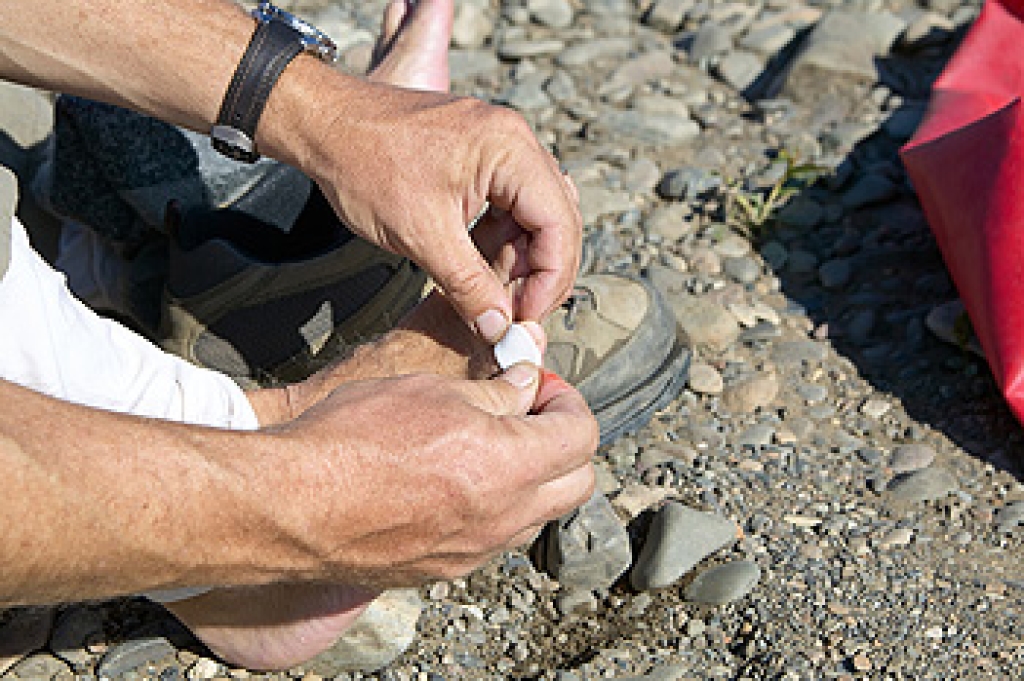
Hiking blisters are an issue for outdoor enthusiasts, often developing on the feet due to friction and pressure. These blisters occur when repeated rubbing or tight footwear causes damage to the skin, leading to the formation of a fluid-filled pocket. The causes of hiking blisters are mainly improper footwear, such as shoes that are too tight or too loose, and wearing socks that do not wick moisture away effectively. Wet feet from sweat or rain can also increase the likelihood of blisters forming. The symptoms of hiking blisters include pain, swelling, and the appearance of a raised, fluid-filled bump. To prevent blisters, it is essential to choose well-fitting shoes that provide proper support, along with moisture-wicking socks that reduce friction. Additionally, applying blister prevention tape or using lubricants can help protect the skin, while keeping feet dry and comfortable is key to avoiding blisters during long hikes. Foot blisters that developed from hiking can cause avid hikers to temporarily stop this activity. If you have developed a problematic foot blister from hiking, it is suggested that you consult a podiatrist who can offer effective relief and prevention tips.

Blisters may appear as a single bubble or in a cluster. They can cause a lot of pain and may be filled with pus, blood, or watery serum. If your feet are hurting, contact Peter Siroka, DPM of Connecticut. Our doctor can provide the care you need to keep you pain-free and on your feet.

Foot Blisters

Foot blisters are often the result of friction. This happens due to the constant rubbing from shoes, which can lead to pain.

What Are Foot Blisters?

A foot blister is a small fluid-filled pocket that forms on the upper-most layer of the skin. Blisters are filled with clear fluid and can lead to blood drainage or pus if the area becomes infected.

Symptoms

(Blister symptoms may vary depending on what is causing them)

  • Bubble of skin filled with fluid
  • Redness
  • Moderate to severe pain
  • Itching

Prevention & Treatment

In order to prevent blisters, you should be sure to wear comfortable shoes with socks that cushion your feet and absorb sweat. Breaking a blister open may increase your chances of developing an infection. However, if your blister breaks, you should wash the area with soap and water immediately and then apply a bandage to the affected area. If your blisters cause severe pain it is important that you call your podiatrist right away.

If you have any questions, please feel free to contact our office located in Stamford, CT . We offer the newest diagnostic and treatment technologies for all your foot care needs.
Read more about Blisters on the Feet

Causes of Middle Toe Joint Pain and Its Symptoms

Middle-toe joint pain can result from various factors, often affecting daily activities and mobility. One common cause is arthritis, which leads to inflammation and stiffness in the joint. This condition can be a result of wear and tear over time or due to an autoimmune disorder. Another cause of this type of pain is a bunion, where a bony bump forms at the base of the big toe, as the result of misalignment of the toes. Trauma or injury, such as a sprain or fracture, can also lead to pain in the middle toe joint. Symptoms of middle toe joint pain include swelling, redness, and tenderness in the affected area. The pain typically worsens with movement, and it may become difficult to walk or wear shoes. In some cases, the joint may become stiff, limiting flexibility. If you have toe pain, it is suggested that you schedule an appointment with a podiatrist who can determine what the cause is, and offer viable treatment solutions.

Toe pain can disrupt your daily activities. If you have any concerns, contact Peter Siroka, DPM of Connecticut. Our doctor can provide the care you need to keep you pain-free and on your feet.

What Causes Toe Pain?

Most severe toe pain is caused due to a sports injury, trauma from dropping something heavy on the toe, or bumping into something rigid. Other problems can develop over time for various reasons.

Toe pain can be caused by one or more ailments. The most common include:

  • Trauma
  • Sports injury
  • Wearing shoes that are too tight
  • Arthritis
  • Gout
  • Corns and calluses
  • Hammertoe
  • Bunions
  • Blisters
  • Ingrown toenails
  • Sprains
  • Fractures (broken bones)
  • Dislocations

When to See a Podiatrist

  • Severe pain
  • Persistent pain that lasts more than a week
  • Signs of infection
  • Continued swelling
  • Pain that prevents walking

Diagnosis

In many cases the cause of toe pain is obvious, but in others, a podiatrist may want to use more advanced methods to determine the problem. These can range from simple visual inspections and sensation tests to X-rays and MRI scans. Prior medical history, family medical history, and any recent physical traumatic events will all be taken into consideration for a proper diagnosis.

Treatment

Treatments for toe pain and injuries vary and may include shoe inserts, padding, taping, medicines, injections, and in some cases, surgery. If you believe that you have broken a toe, please see a podiatrist as soon as possible.

If you have any questions please contact our office located in Stamford, CT . We offer the newest diagnostic and treatment technologies for all your foot and ankle needs.

Read more about Toe Pain

Pickleball and Ankle Fractures

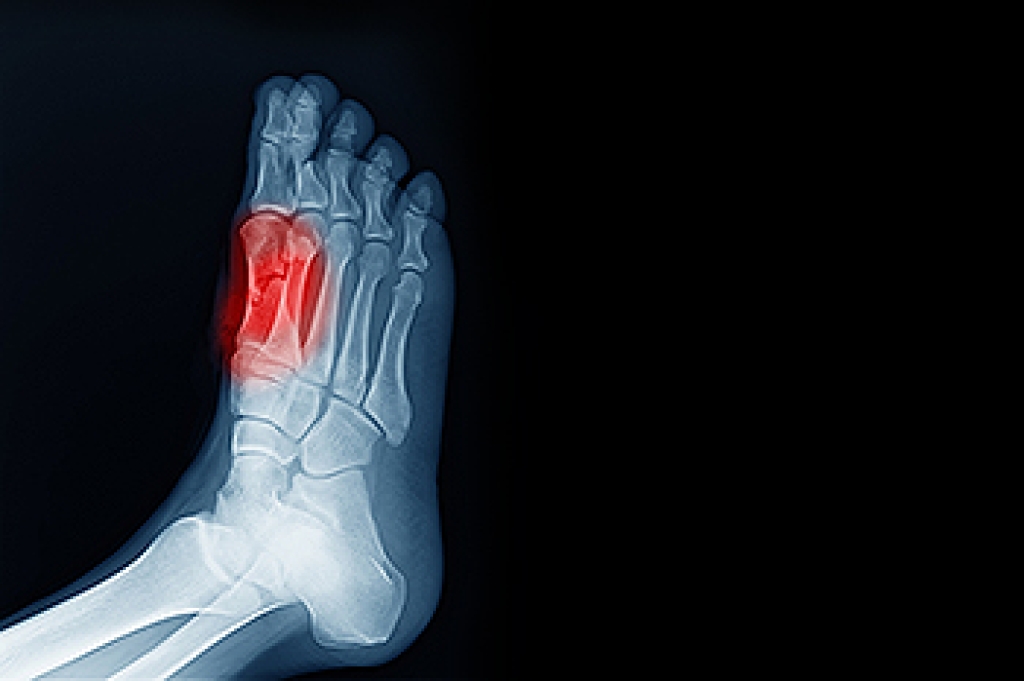
Ankle fractures are a growing concern in pickleball, particularly among older women. Post-menopausal players are at greater risk due to reduced bone density, making bones more susceptible to breaks. These injuries often occur during falls when a player slides or dives for the ball but miscalculates their landing, leading to a painful twist or impact. An ankle fracture involves a break in one or more of the bones in the ankle joint, causing swelling, bruising, and difficulty bearing weight. Preventing such injuries starts with wearing sturdy, supportive shoes designed for court sports and improving balance and agility through regular exercise. Playing on well-maintained surfaces and practicing controlled movements also help reduce risks. If you have broken your ankle while playing pickleball, it is suggested that you visit a podiatrist for appropriate treatment.

Broken ankles need immediate treatment. If you are seeking treatment, contact Peter Siroka, DPM from Connecticut. Our doctor can provide the care you need to keep you pain-free and on your feet. 

Broken Ankles
A broken ankle is experienced when a person fractures their tibia or fibula in the lower leg and ankle area. Both of these bones are attached at the bottom of the leg and combine to form what we know to be our ankle.

When a physician is referring to a break of the ankle, he or she is usually referring to a break in the area where the tibia and fibula are joined to create our ankle joint. Ankles are more prone to fractures because the ankle is an area that suffers a lot of pressure and stress. There are some obvious signs when a person experiences a fractured ankle, and the following symptoms may be present.

Symptoms of a Fractured Ankle

  • Excessive pain when the area is touched or when any pressure is placed on the ankle
  • Swelling around the area
  • Bruising of the area
  • Area appears to be deformed

If you suspect an ankle fracture, it is recommended to seek treatment as soon as possible. The sooner you have your podiatrist diagnose the fracture, the quicker you’ll be on the way towards recovery.

If you have any questions, please feel free to contact our office located in Stamford, CT . We offer the newest diagnostic and treatment technologies for all your foot care needs.

Read more about Broken Ankle Causes, Differences, Symptoms and Treatments

Reminder: When Was the Last Time...?

Custom orthotics, or shoe inserts, should be periodically replaced. Orthotics must fit properly to give you the best results. Protect your feet and ankles!

Sesamoiditis and the Role of Sesamoid Bones

Sesamoiditis is a condition characterized by inflammation of the sesamoid bones, which are small, round bones embedded within tendons. Two of these bones are located in the ball of the foot, typically under the big toe joint. The sesamoid bones act as a support system for tendons, helping with the smooth movement of the toe, while absorbing pressure and stress during walking and running. When these bones become irritated due to overuse, injury, or repetitive pressure, inflammation can occur, leading to pain, swelling, and tenderness. Individuals who engage in high-impact activities like running or ballet are more prone to developing sesamoiditis. Symptoms include pain beneath the big toe, especially during activities that put pressure on the feet. If you have pain under your big toe, it is suggested that you contact a podiatrist who can provide an accurate diagnosis and treatment.

Sesamoiditis is an unpleasant foot condition characterized by pain in the balls of the feet. If you think you’re struggling with sesamoiditis, contact Peter Siroka, DPM of Connecticut. Our doctor will treat your condition thoroughly and effectively.

Sesamoiditis

Sesamoiditis is a condition of the foot that affects the ball of the foot. It is more common in younger people than it is in older people. It can also occur with people who have begun a new exercise program, since their bodies are adjusting to the new physical regimen. Pain may also be caused by the inflammation of tendons surrounding the bones. It is important to seek treatment in its early stages because if you ignore the pain, this condition can lead to more serious problems such as severe irritation and bone fractures.

Causes of Sesamoiditis

  • Sudden increase in activity
  • Increase in physically strenuous movement without a proper warm up or build up
  • Foot structure: those who have smaller, bonier feet or those with a high arch may be more susceptible

Treatment for sesamoiditis is non-invasive and simple. Doctors may recommend a strict rest period where the patient forgoes most physical activity. This will help give the patient time to heal their feet through limited activity. For serious cases, it is best to speak with your doctor to determine a treatment option that will help your specific needs.

If you have any questions, please feel free to contact our office located in Stamford, CT . We offer the newest diagnostic and treatment technologies for all your foot care needs.

Read more about Sesamoiditis

Connect With Us

scroll to top