Common Causes of Foot Pain From Playing Golf

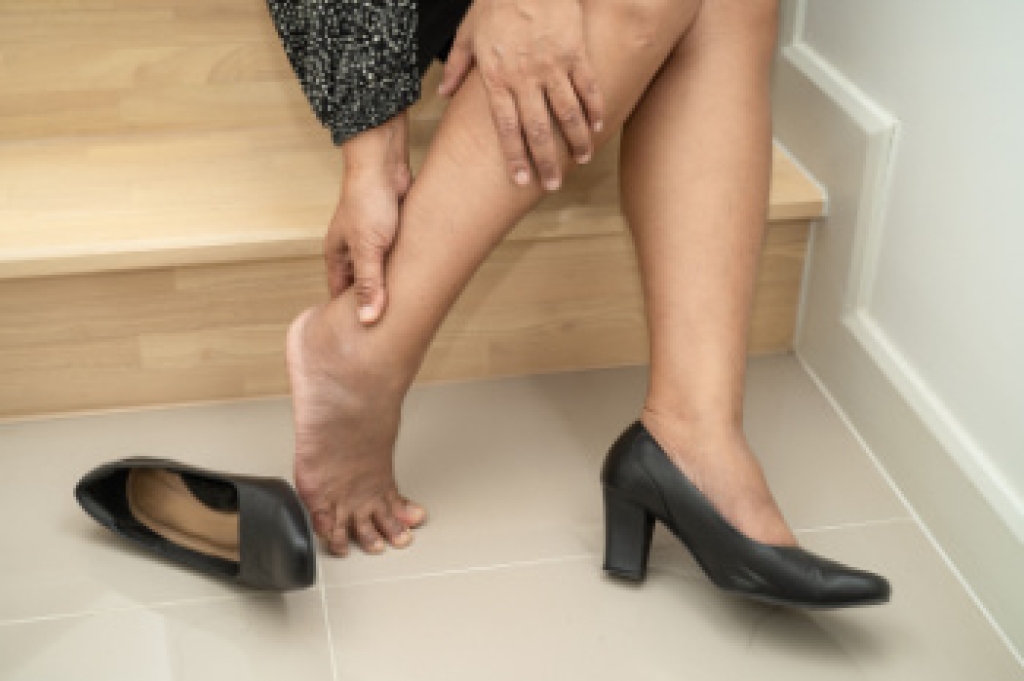
Playing golf can lead to various types of foot pain, each with its own causes. Bunions, which are bony protrusions at the base of the big toe, can become aggravated by the pressure and movement associated with golf swings. Plantar fasciitis, marked by heel pain, often results from repetitive strain and excessive walking on hard surfaces. Metatarsalgia, characterized by pain in the ball of the foot, can occur due to the constant shifting of weight during swings. Achilles tendinitis, affecting the tendon at the back of the ankle, may result from overuse and intense activity. Additionally, ankle sprains are also common from sudden twists and uneven terrain. If you enjoy playing golf, and foot pain gets in the way, it is suggested that you consult a podiatrist who can offer effective treatment and injury prevention techniques.

Ankle and foot injuries are common among athletes and in many sports. They can be caused by several problems and may be potentially serious. If you are feeling pain or think you were injured in a sporting event or when exercising, consult with Peter Siroka, DPM from Connecticut. Our doctor will assess your condition and provide you with quality foot and ankle treatment.

Common Injuries

The most common injuries that occur in sporting activities include:

  • Achilles Tendonitis
  • Achilles Tendon Rupture
  • Ankle Sprains
  • Broken Foot
  • Plantar Fasciitis
  • Stress Fractures
  • Turf Toe

Symptoms

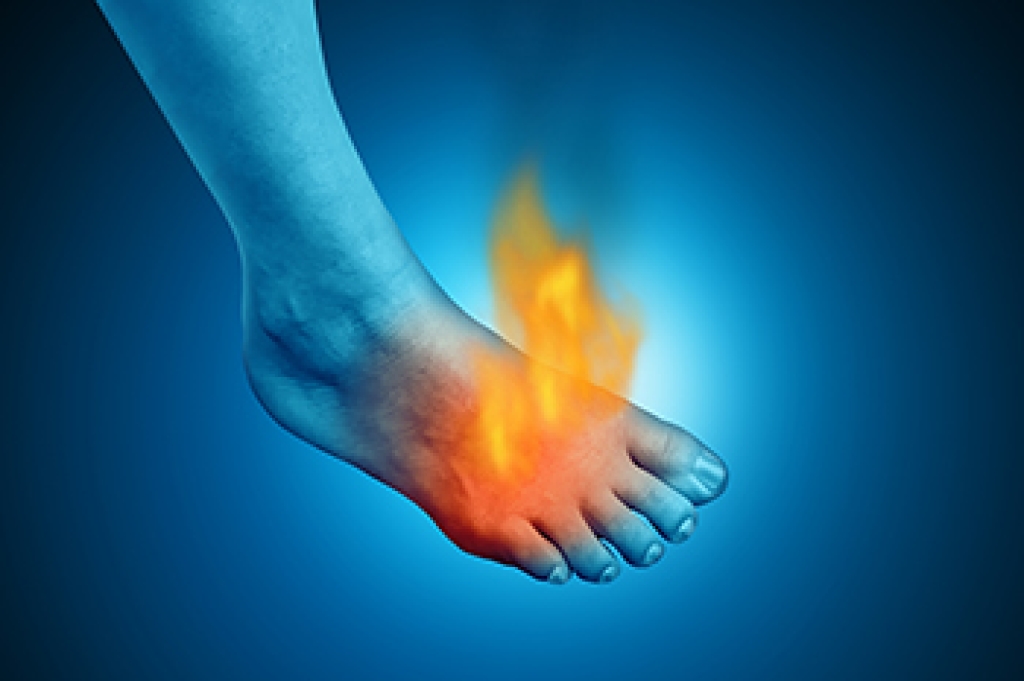
Symptoms vary depending upon the injury and in some cases, there may be no symptoms at all. However, in most cases, some form of symptom is experienced. Pain, aching, burning, bruising, tenderness, tightness or stiffness, sensation loss, difficulty moving, and swelling are the most common symptoms.

Treatment

Just as symptoms vary depending upon the injury, so do treatment options. A common treatment method is known as the RICE method. This method involves rest, applying ice, compression and elevating the afflicted foot or ankle. If the injury appears to be more serious, surgery might be required, such as arthroscopic or reconstructive surgery. Lastly, rehabilitation or therapy might be needed to gain full functionality in the afflicted area. Any discomfort experienced by an athlete must be evaluated by a licensed, reputable medical professional.  

If you have any questions please contact our office located in Stamford, CT . We offer the newest diagnostic and treatment technologies for all your foot and ankle needs.

Read more about Sports Related Foot and Ankle Injuries

Protecting Your Child’s Developing Feet

Children's feet are a marvel of growth and transformation, evolving from soft cartilage to fully ossified bones by around 18 years of age. In those first few delicate months, the right footwear is extremely important. Ill-fitting shoes can distort a child’s developing feet, impacting their comfort and health. Socks and shoes should never be tight but should allow room for natural growth and movement. As a child’s nerve endings develop, they may not feel discomfort from tight footwear, emphasizing the importance of proper fit and comfort checks. Each child's feet are unique, so hand-me-down shoes might not be suitable. Trim toenails straight across to prevent painful ingrown nails. Prioritizing your child’s foot health now sets a foundation for their active future. For expert guidance on nurturing your child's feet, it’s suggested you contact a podiatrist to monitor their growth stage and needs.

The health of a child’s feet is vital to their overall well-being. If you have any questions regarding foot health, contact Peter Siroka, DPM of Connecticut. Our doctor can provide the care you need to keep you pain-free and on your feet.

Tips for Keeping Children's Feet Healthy

  • Make sure their shoes fit properly
  • Look for any signs of in-toeing or out-toeing
  • Check to see if they have Clubfoot (condition that affects your child’s foot and ankle, twisting the heel and toes inward) which is one of the most common nonmajor birth defects.
  • Lightly cover your baby’s feet (Tight covers may keep your baby from moving their feet freely, and could prevent normal development)
  • Allow your toddler to go shoeless (Shoes can be restricting for a young child’s foot)
  • Cut toenails straight across to avoid ingrown toenails
  • Keep your child’s foot clean and dry
  • Cover cuts and scrapes. Wash any scratches with soap and water and cover them with a bandage until they’ve healed.

If you have any questions, please feel free to contact our office located in Stamford, CT . We offer the newest diagnostic and treatment technologies for all your foot care needs.

Read more about How to Care for Your Child's Feet

Causes of Burning Feet While Running

Experiencing a burning sensation in your feet while running can be painful and disrupt your fitness routine. This common issue can arise from overuse of foot muscles, iwearing mproper footwear, and friction. Running on hot surfaces and excessive sweating are other factors for burning feet. Overworking your foot muscles without adequate rest can lead to fatigue and a burning sensation. Friction from poorly fitting shoes or socks can irritate the skin while running on hot surfaces can directly cause a burning feeling. Excessive sweating creates a moist environment that can irritate the skin further. Addressing these issues through wearing proper footwear, moisture-wicking socks, and adequate rest can help alleviate symptoms. However, if the burning persists, it might indicate a more serious underlying condition such as nerve damage, diabetes, or hypothyroidism. If your feet feel like your feet are burning during a run, it is suggested that you schedule an appointment with a podiatrist.

Exercising your feet regularly with the proper foot wear is a great way to prevent injuries. If you have any concerns about your feet, contact Peter Siroka, DPM of Connecticut. Our doctor will treat your foot and ankle needs.

How to Prevent Running Injuries

Many common running injuries are caused by overuse and overtraining. When the back of the kneecap starts wearing out and starts causing pain in your knee, this is commonly referred to as runner’s knee. Runner’s knee is a decrease in strength in your quadriceps and can occur if you’re not wearing properly fitted or supporting shoes. To prevent runner’s knee, focusing on hip strengthening is a good idea, as well as strengthening your quads to keep the kneecaps aligned.

What Are Some Causes of Running Injuries? 
- One cause of a common running injury is called iliotibial band syndrome.
- Plantar fasciitis is also another common injury.
- Stress fractures can occur from overtraining, lack of calcium, or even your running style.

Best Ways to Prevent Running Injuries
- Wear footwear that fits properly and suits your running needs.
- Running shoes are the only protective gear that runners have to safeguard them from injury.
- Make a training schedule. Adding strengthening exercises as well as regular stretching can help keep you strong and limber and can lessen the possibility of injuries.
- Stretching keeps muscles limber; this will help you gain better flexibility.

If you have any questions, please feel free to contact our office located in Stamford, CT . We offer the newest diagnostic and treatment technologies for all your foot care needs.

Read more about How to Prevent Running Injuries

Why Foot Pain Should Not Be Ignored

Ignoring foot pain can lead to serious health issues, as it may indicate underlying conditions including psoriatic arthritis, diabetes, gout, or blood clots. Psoriatic arthritis causes joint pain and swelling, leading to permanent damage if untreated. In diabetes, foot pain might signal neuropathy or the onset of ulcers, necessitating immediate attention to prevent severe complications. Gout manifests as sudden, intense pain due to uric acid crystal buildup, requiring management to avoid chronic joint damage. Blood clots in the legs can cause pain and swelling, posing a risk of life-threatening complications if they travel to the lungs. Addressing foot pain promptly ensures proper diagnosis and effective treatment, preventing minor issues from escalating into serious conditions. If you have foot pain, it is strongly suggested that you schedule an appointment with a podiatrist who can offer effective treatment options.

Foot Pain

Foot pain can be extremely painful and debilitating. If you have a foot pain, consult with Peter Siroka, DPM from Connecticut. Our doctor will assess your condition and provide you with quality foot and ankle treatment.

Causes

Foot pain is a very broad condition that could be caused by one or more ailments. The most common include:

  • Bunions
  • Hammertoes
  • Plantar Fasciitis
  • Bone Spurs
  • Corns
  • Tarsal Tunnel Syndrome
  • Ingrown Toenails
  • Arthritis (such as Gout, Rheumatoid, and Osteoarthritis)
  • Flat Feet
  • Injury (from stress fractures, broken toe, foot, ankle, Achilles tendon ruptures, and sprains)
  • And more

Diagnosis

To figure out the cause of foot pain, podiatrists utilize several different methods. This can range from simple visual inspections and sensation tests to X-rays and MRI scans. Prior medical history, family medical history, and any recent physical traumatic events will all be taken into consideration for a proper diagnosis.

Treatment

Treatment depends upon the cause of the foot pain. Whether it is resting, staying off the foot, or having surgery; podiatrists have a number of treatment options available for foot pain.

If you have any questions, please feel free to contact our office located in Stamford, CT . We offer the newest diagnostic and treatment technologies for all your foot care needs.

Read more about Foot Pain

Plantar Warts Can Be Treated!

Plantar warts are small growths that develop on parts of the feet that bear weight. They're typically found on the bottom of the foot. Don't live with plantar warts, and call us today!

Connect With Us

scroll to top