Athlete’s Foot and How to Protect Your Feet

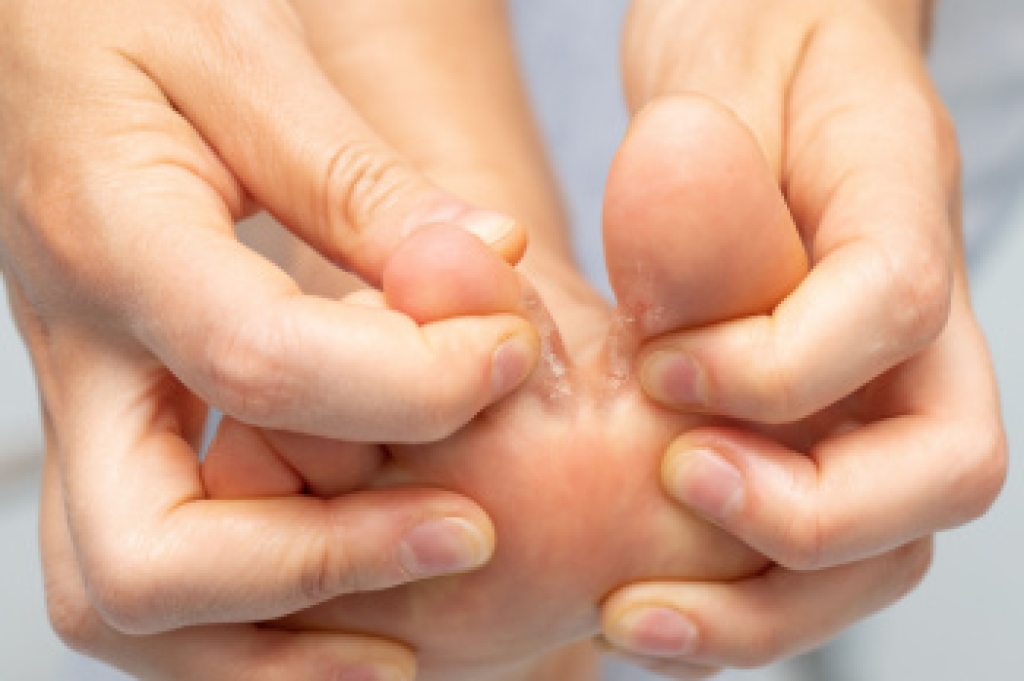
Athlete’s foot, known medically as tinea pedis, is a common fungal infection that affects the skin between the toes and along the foot. It is especially prevalent among football players due to warm, moist environments inside cleats and frequent shared locker room spaces. Symptoms often include itching, burning, peeling skin, and a persistent rash. The condition develops when fungus thrives on damp skin, often worsened by sweat, wearing tight footwear, or walking barefoot in communal areas. A podiatrist can diagnose the infection, recommend effective antifungal treatments, and provide guidance on prevention to stop it from returning. If you have symptoms of athlete’s foot, it is suggested that you  schedule a visit with a podiatrist for effective relief, treatment and prevention tips.

Athlete’s Foot

Athlete’s foot is often an uncomfortable condition to experience. Thankfully, podiatrists specialize in treating athlete’s foot and offer the best treatment options. If you have any questions about athlete’s foot, consult with Peter Siroka, DPM from Connecticut. Our doctor will assess your condition and provide you with quality treatment.

What Is Athlete’s Foot?

Tinea pedis, more commonly known as athlete’s foot, is a non-serious and common fungal infection of the foot. Athlete’s foot is contagious and can be contracted by touching someone who has it or infected surfaces. The most common places contaminated by it are public showers, locker rooms, and swimming pools. Once contracted, it grows on feet that are left inside moist, dark, and warm shoes and socks.

Prevention

The most effective ways to prevent athlete’s foot include:

  • Thoroughly washing and drying feet
  • Avoid going barefoot in locker rooms and public showers
  • Using shower shoes in public showers
  • Wearing socks that allow the feet to breathe
  • Changing socks and shoes frequently if you sweat a lot

Symptoms

Athlete’s foot initially occurs as a rash between the toes. However, if left undiagnosed, it can spread to the sides and bottom of the feet, toenails, and if touched by hand, the hands themselves. Symptoms include:

  • Redness
  • Burning
  • Itching
  • Scaly and peeling skin

Diagnosis and Treatment

Diagnosis is quick and easy. Skin samples will be taken and either viewed under a microscope or sent to a lab for testing. Sometimes, a podiatrist can diagnose it based on simply looking at it. Once confirmed, treatment options include oral and topical antifungal medications.

If you have any questions, please feel free to contact our office located in Stamford, CT . We offer the newest diagnostic and treatment technologies for all your foot care needs.


Read more about How to Deal with Athlete's Foot

Foot Pain Caused by Ice Skates

Ice skating places unique pressure on the feet and ankles. It can cause pain when stiff boots press against the front of the ankle, or when the tongue of the skate irritates the tendons that run down into the toes. This pressure can lead to a condition known as “lace bite,” which is irritation caused by tight laces or a rigid skate tongue that pushes into the top of the foot. Symptoms include aching across the front of the ankle, swelling, or a bruised feeling even when no bruise is visible. Skates that lack adequate support, new skates that are not fully broken in, or very tight lacing can increase strain on the tendons that help lift the foot. A podiatrist can evaluate the source of pain, check for tendon irritation, and recommend the best treatment. In severe cases, surgery may be suggested if damage is significant. If you frequently experience foot or ankle pain after ice skating, it is suggested that you make an appointment with a podiatrist for a diagnosis and treatment.

Ankle and foot injuries are common among athletes and in many sports. They can be caused by several problems and may be potentially serious. If you are feeling pain or think you were injured in a sporting event or when exercising, consult with Peter Siroka, DPM from Connecticut. Our doctor will assess your condition and provide you with quality foot and ankle treatment.

Common Injuries

The most common injuries that occur in sporting activities include:

  • Achilles Tendonitis
  • Achilles Tendon Rupture
  • Ankle Sprains
  • Broken Foot
  • Plantar Fasciitis
  • Stress Fractures
  • Turf Toe

Symptoms

Symptoms vary depending upon the injury and in some cases, there may be no symptoms at all. However, in most cases, some form of symptom is experienced. Pain, aching, burning, bruising, tenderness, tightness or stiffness, sensation loss, difficulty moving, and swelling are the most common symptoms.

Treatment

Just as symptoms vary depending upon the injury, so do treatment options. A common treatment method is known as the RICE method. This method involves rest, applying ice, compression and elevating the afflicted foot or ankle. If the injury appears to be more serious, surgery might be required, such as arthroscopic or reconstructive surgery. Lastly, rehabilitation or therapy might be needed to gain full functionality in the afflicted area. Any discomfort experienced by an athlete must be evaluated by a licensed, reputable medical professional.  

If you have any questions please contact our office located in Stamford, CT . We offer the newest diagnostic and treatment technologies for all your foot and ankle needs.

Read more about Sports Related Foot and Ankle Injuries

Keep Your Feet Healthy So You Can Stay Active

Have your feet inspected by a professional before starting a new sport or physical activity. Taking charge of your foot health will keep you in good physical condition and can help you avoid a potential injury, such as a fracture or sprained ankle.

Prevent injuries and see a foot specialist.

Gardening Shoes for Healthy Feet

https://www.fieldandmoor.co.uk/blogs/news/the-benefits-of-good-quality-gardening-shoes-tending-your-land-in-comfort-and-style?srsltid=AfmBOorL19xH8SslUuVR8cHUAg2XKTUzB4kkTer6MzpqBVuz4-_FGWgp

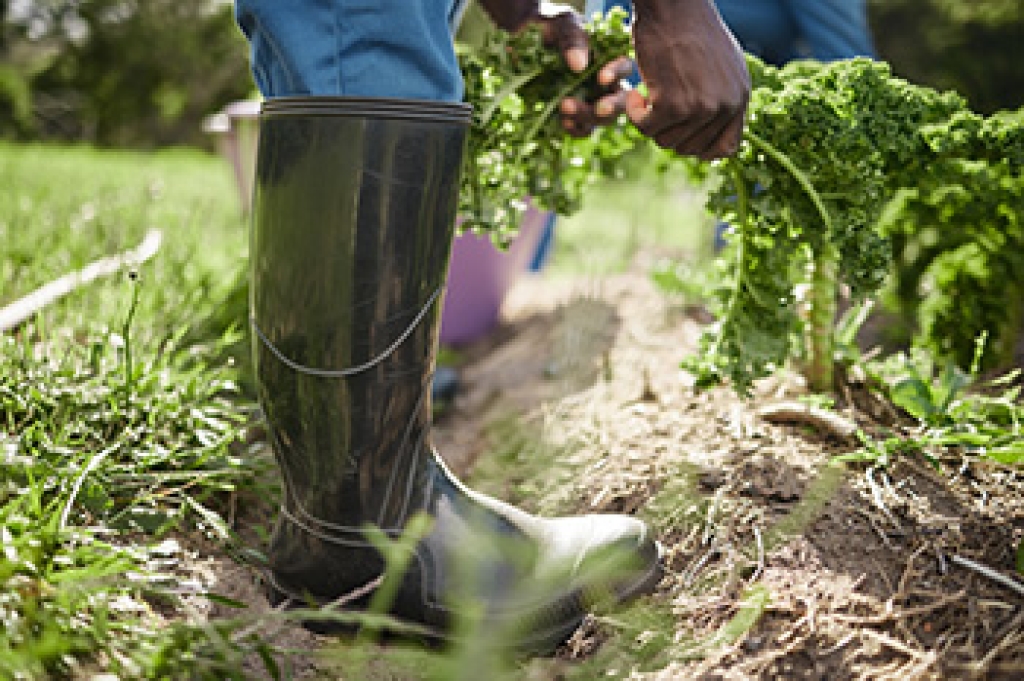
Gardening shoes play a key role in keeping your feet safe and comfortable while you work outdoors. The best gardening shoes provide reliable comfort and support to reduce strain during long periods of standing, bending, and walking on uneven ground. Durability and protection are equally important, helping shield your feet from sharp tools, rocks, and moisture while withstanding regular outdoor wear. Versatility also matters, allowing the shoes to transition easily between tasks while still offering stability and traction. A podiatrist can recommend footwear that matches your foot structure and gardening needs, helping to prevent pain and injury. If your feet hurt while gardening, it is suggested that you consult a podiatrist who can offer effective relief tips, which may include guidance on wearing the right shoes.

While working on the feet, it is important to take the proper care of them. For more information about working on your feet, contact Peter Siroka, DPM from Connecticut. Our doctor will treat your foot and ankle needs.

Working on Your Feet

Standing on your feet for long periods of time can cause stress and pain in your feet. Your whole body may experience change in terms of posture, back pain, bunions, callouses and or plantar warts. There are ways to avoid these conditions with proper foot care, smart choices and correct posture.

Positive Changes

Negative heeled shoe – Choosing this shoe type places the heel slightly lower than the ball of the foot. These are great for overall foot health. Find shoes that fit you correctly.

Go barefoot – Our feet were not designed to be enclosed for all hours of the day. Try to periodically expose your feet to air.

Eliminate Pain

Foot Exercises – Performing simple exercises, incorporating yoga and doing stretches are beneficial. This will allow increased blood flow to the area and muscles of the foot.

Achilles tendon – Stretching the foot out flat on the floor will relax the calf muscles and tendon. These exercises can be performed almost anywhere. Make sure you add these exercises to your daily regimen. 

With a little bit of this information and knowing more about foot health, you will notice changes. Foot stretches and proper footwear will help with pain and prevent further issues.

If you have any questions please contact our office located in Stamford, CT . We offer the newest diagnostic and treatment technologies for all your foot and ankle needs.

Read more about Working on Your Feet

Understanding Ankle Sprains and Soft Tissue Injury

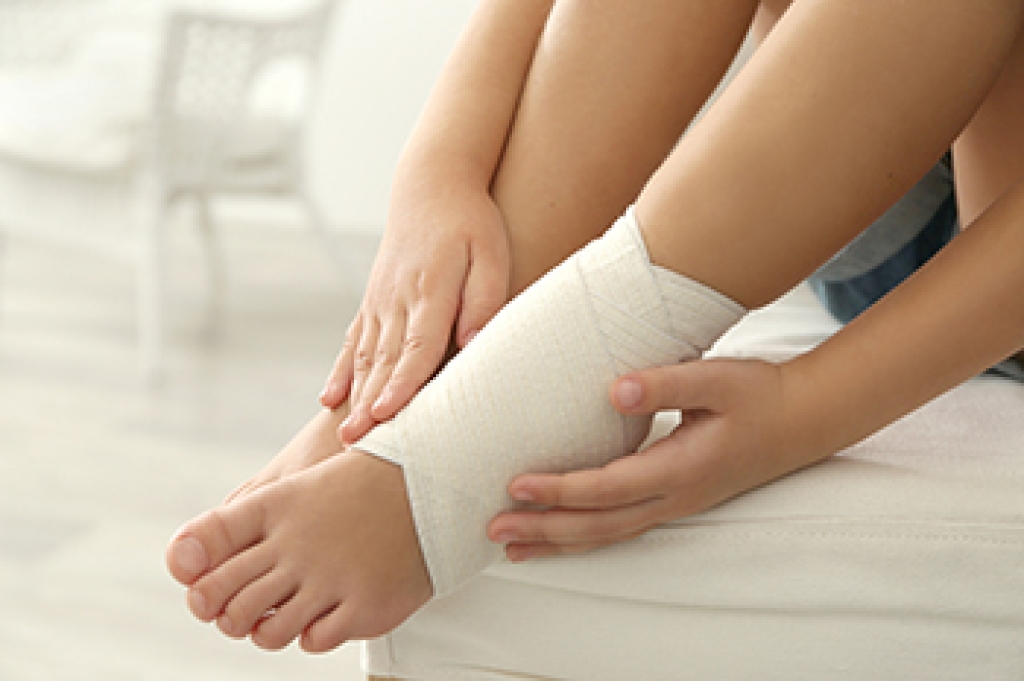
An ankle sprain occurs when the ligaments and soft tissues that support the ankle are stretched or torn, often due to a sudden twist, fall, or awkward step. Athletes, active individuals, and those wearing unstable footwear are more likely to experience this common injury. Symptoms include pain, swelling, bruising, and difficulty bearing weight. The ankle may appear swollen or discolored, and the area can feel tender, stiff, or unstable when walking. In some cases, a popping sound is heard at the moment of injury. A podiatrist can assess the severity of the sprain through physical examination and imaging, such as X-rays or ultrasound, to rule out fractures or deeper soft tissue damage. Treatment may include rest, supportive bracing, and rehabilitation exercises to restore strength and flexibility. If you suspect an ankle sprain, it is suggested that you make an appointment with a podiatrist to ensure proper healing and prevent chronic instability.

Although ankle sprains are common, they aren’t always minor injuries. If you need your ankle injury looked at, contact Peter Siroka, DPM from Connecticut. Our doctor can provide the care you need to keep you pain-free and on your feet.

How Does an Ankle Sprain Occur?

Ankle sprains are the result of a tear in the ligaments within the ankle. These injuries may happen when you make a rapid shifting movement while your foot is planted. A less common way to sprain your ankle is when your ankle rolls inward while your foot turns outward.

What Are the Symptoms?

  • Pain at the sight of the tear
  • Bruising/Swelling
  • Ankle area is tender to touch
  • In severe cases, may hear/feel something tear
  • Skin discoloration

Preventing a Sprain

  • Wearing appropriate shoes for the occasion
  • Stretching before exercises and sports
  • Knowing your limits

Treatment of a Sprain

In many cases, the RICE method (Rest, Ice, Compression, and Elevate) is used to treat ankle sprains. However, you should see a podiatrist to see which treatment option would work best with your injury. In severe cases, surgery may be required.

It is important to ask your doctor about rehab options after you receive treatment for your injury. Stretching, strength training, and balance exercises may help the ankle heal while also preventing further injury.

If you have any questions, please feel free to contact our office located in Stamford, CT . We offer the newest diagnostic and treatment technologies for all your foot care needs.
Read more about Ankle Sprains

Connect With Us

scroll to top