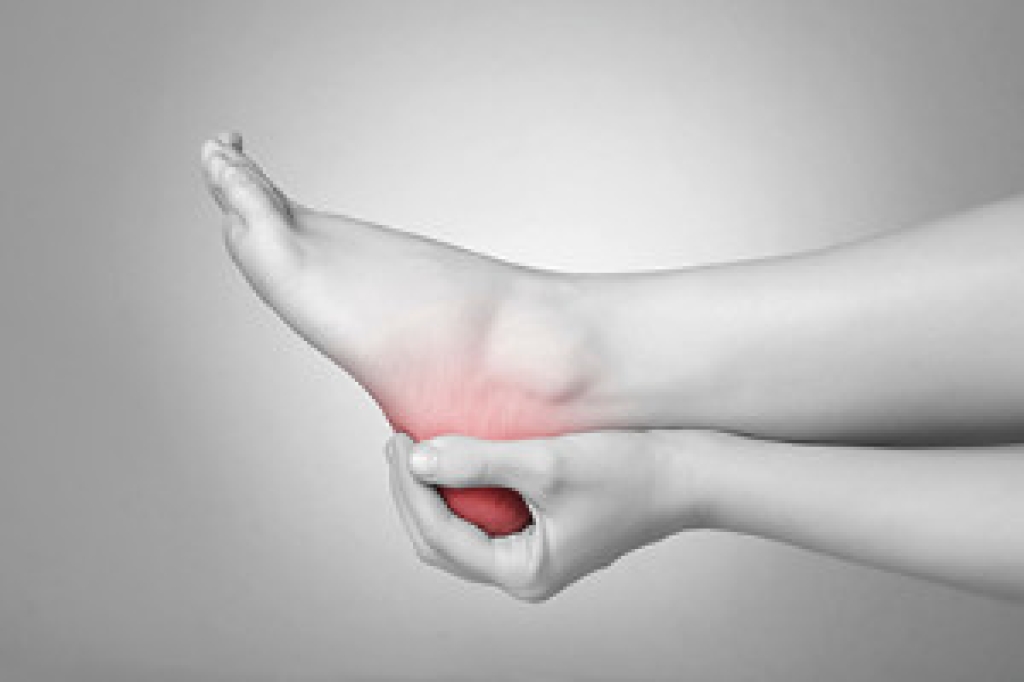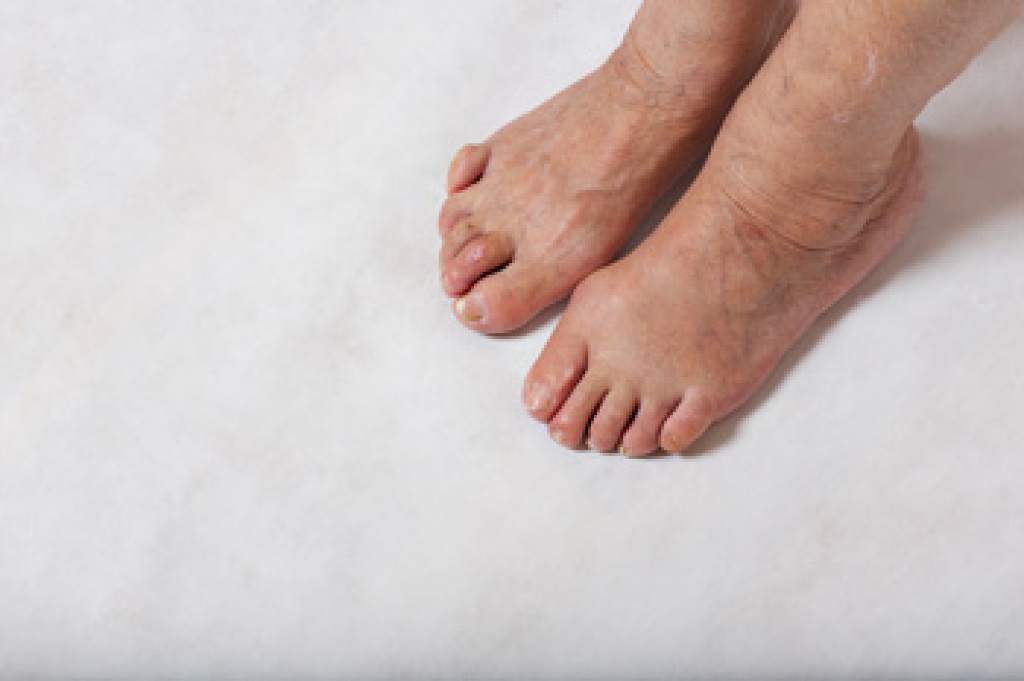
Ice skating places unique pressure on the feet and ankles. It can cause pain when stiff boots press against the front of the ankle, or when the tongue of the skate irritates the tendons that run down into the toes. This pressure can lead to a condition known as “lace bite,” which is irritation caused by tight laces or a rigid skate tongue that pushes into the top of the foot. Symptoms include aching across the front of the ankle, swelling, or a bruised feeling even when no bruise is visible. Skates that lack adequate support, new skates that are not fully broken in, or very tight lacing can increase strain on the tendons that help lift the foot. A podiatrist can evaluate the source of pain, check for tendon irritation, and recommend the best treatment. In severe cases, surgery may be suggested if damage is significant. If you frequently experience foot or ankle pain after ice skating, it is suggested that you make an appointment with a podiatrist for a diagnosis and treatment.
Ankle and foot injuries are common among athletes and in many sports. They can be caused by several problems and may be potentially serious. If you are feeling pain or think you were injured in a sporting event or when exercising, consult with Peter Siroka, DPM from Connecticut. Our doctor will assess your condition and provide you with quality foot and ankle treatment.
Common Injuries
The most common injuries that occur in sporting activities include:
- Achilles Tendonitis
- Achilles Tendon Rupture
- Ankle Sprains
- Broken Foot
- Plantar Fasciitis
- Stress Fractures
- Turf Toe
Symptoms
Symptoms vary depending upon the injury and in some cases, there may be no symptoms at all. However, in most cases, some form of symptom is experienced. Pain, aching, burning, bruising, tenderness, tightness or stiffness, sensation loss, difficulty moving, and swelling are the most common symptoms.
Treatment
Just as symptoms vary depending upon the injury, so do treatment options. A common treatment method is known as the RICE method. This method involves rest, applying ice, compression and elevating the afflicted foot or ankle. If the injury appears to be more serious, surgery might be required, such as arthroscopic or reconstructive surgery. Lastly, rehabilitation or therapy might be needed to gain full functionality in the afflicted area. Any discomfort experienced by an athlete must be evaluated by a licensed, reputable medical professional.
If you have any questions please contact our office located in Stamford, CT . We offer the newest diagnostic and treatment technologies for all your foot and ankle needs.