Foot stress fractures are tiny cracks in bone caused by repeated impact and overuse rather than a single injury. Runners are especially prone to them because of repetitive loading during training and limited recovery time. Poor training habits, such as rapid mileage increases or lack of rest, can overload the bones. Stress fractures commonly affect the metatarsals, or long foot bones in the forefoot, and may also involve the tibia or shin bone in the lower leg. Female runners may face added risk due to low bone mineral density, which can be influenced by hormonal factors and a low-fat diet that limits bone support. Pain often starts gradually and worsens with activity. A podiatrist can diagnose the injury, guide rest and protection, address training errors, and recommend footwear or orthotics. If running pain persists or intensifies, it is suggested that you schedule a visit with a podiatrist who can offer effective treatment solutions, helping you to run safely.
Activities where too much pressure is put on the feet can cause stress fractures. To learn more, contact Peter Siroka, DPM from Connecticut. Our doctor can provide the care you need to keep your pain free and on your feet.
Dealing with Stress Fractures of the Foot and Ankle
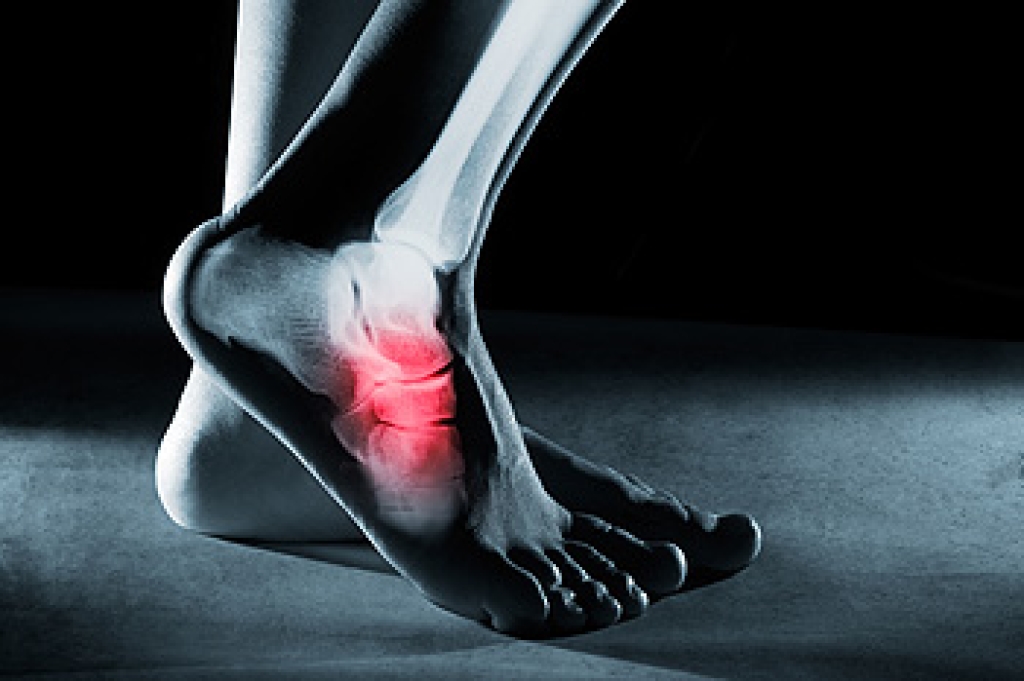
Stress fractures occur in the foot and ankle when muscles in these areas weaken from too much or too little use. The feet and ankles then lose support when walking or running from the impact of the ground. Since there is no protection, the bones receive the full impact of each step. Stress on the feet can cause cracks to form in the bones, thus creating stress fractures.
What Are Stress Fractures?
Stress fractures occur frequently in individuals whose daily activities cause great impact on the feet and ankles. Stress factors are most common among:
- Runners
- People affected with Osteoporosis
- Tennis or basketball players
- Gymnasts
- High impact workouts
Symptoms
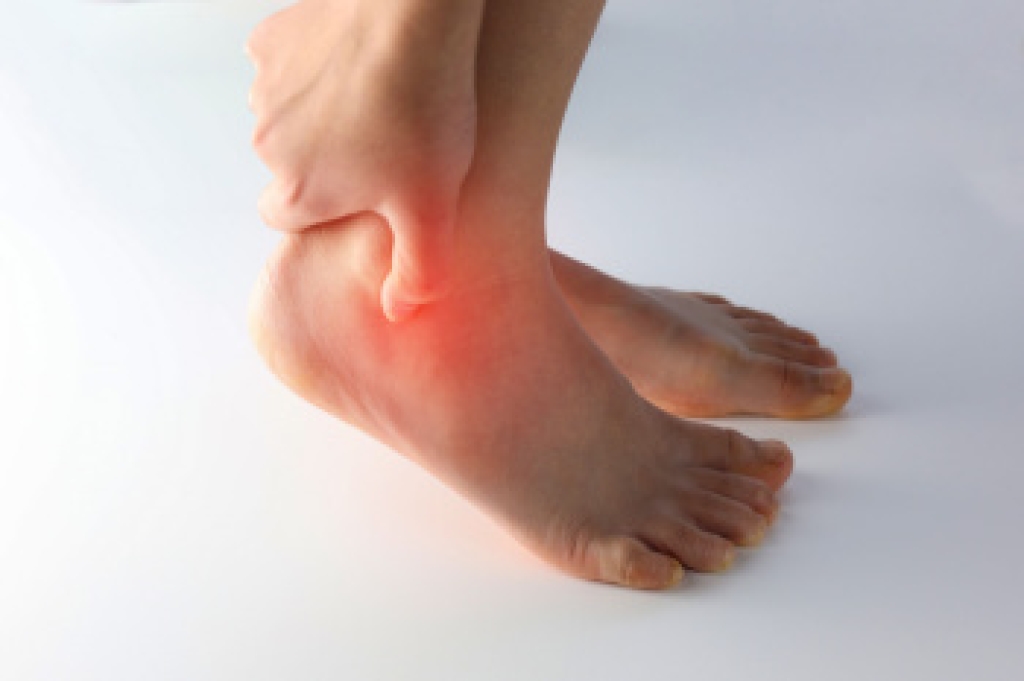
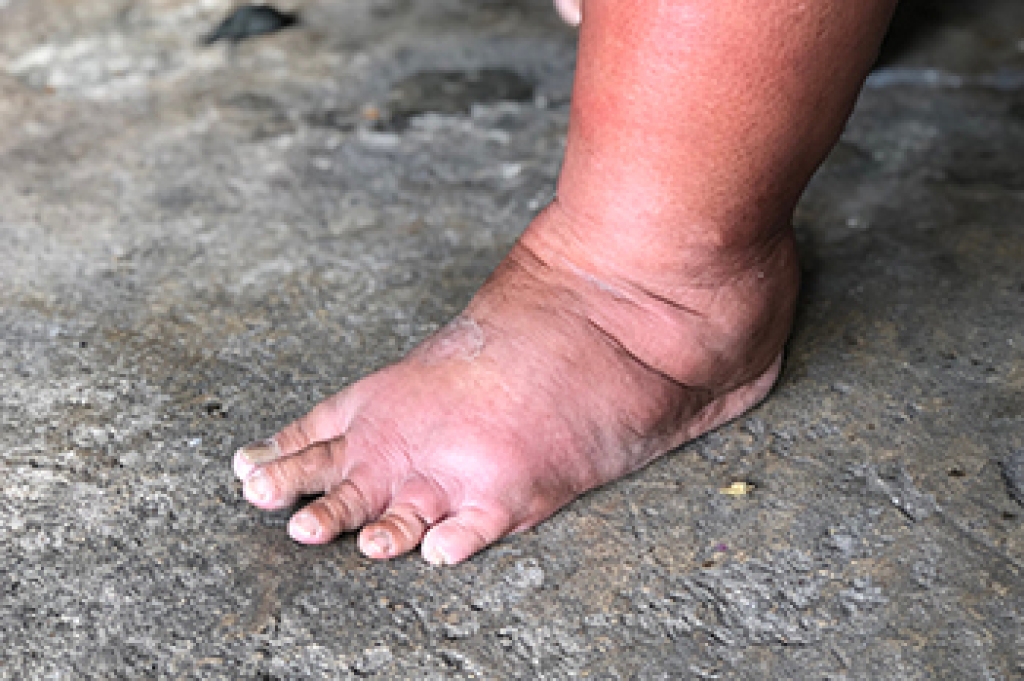
Pain from the fractures occur in the area of the fractures and can be constant or intermittent. It will often cause sharp or dull pain with swelling and tenderness. Engaging in any kind of activity which involves high impact will aggravate pain.
If you have any questions please contact our office located in Stamford, CT . We offer the newest diagnostic and treatment technologies for all your foot and ankle needs.