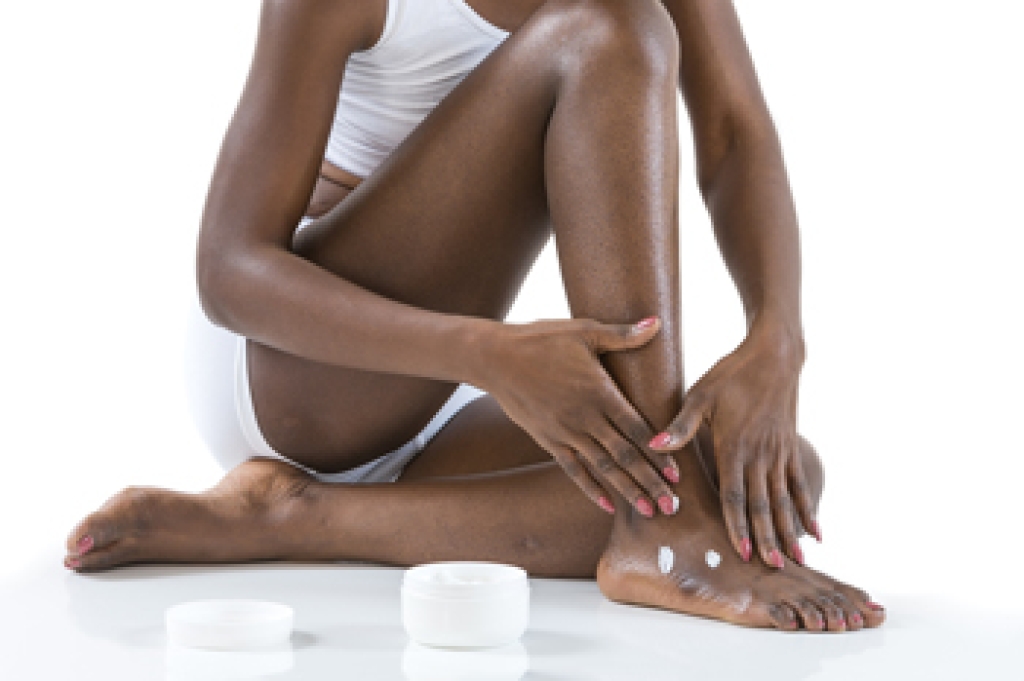
How to Practice Everyday Foot Care

The feet are often taken for granted, and they are sometimes a part of the body that gets the least respect. The feet are most likely to get injured from absorbing the body’s weight. They are responsible for various things, including providing us with mobility and balance. Many people wear shoes that do not fit correctly, and part of a good everyday foot care routine is to choose shoes that fit well. The day can begin by washing and drying the feet thoroughly, followed by applying a good moisturizer. It is beneficial to alternate pairs of shoes worn each day, and this can provide an opportunity to air the shoes out. Additionally, limiting the time flip-flops are worn can help the arch of the foot. Women who are pregnant may find their feet become swollen, and relief may be found when the feet are frequently elevated. If you would like additional tips on everyday foot care, it is suggested that you consult a podiatrist who can provide you with useful information.

Everyday foot care is very important to prevent infection and other foot ailments. If you need your feet checked, contact Peter Siroka, DPM from Connecticut. Our doctor can provide the care you need to keep you pain-free and on your feet.

Everyday Foot Care

Often, people take care of their bodies, face and hair more so than they do for their feet. But the feet are a very important aspect of our bodies, and one that we should pay more attention to. Without our feet, we would not be able to perform most daily tasks.

It is best to check your feet regularly to make sure there are no new bruises or cuts that you may not have noticed before. For dry feet, moisturizer can easily be a remedy and can be applied as often as necessary to the affected areas. Wearing shoes that fit well can also help you maintain good foot health, as well as making it easier to walk and do daily activities without the stress or pain of ill-fitting shoes, high heels, or even flip flops. Wearing clean socks with closed shoes is important to ensure that sweat and bacteria do not accumulate within the shoe. Clean socks help to prevent Athlete’s foot, fungi problems, bad odors, and can absorb sweat.

If you have any questions, please feel free to contact our office located in Stamford, CT . We offer the newest diagnostic and treatment technologies for all your foot care needs.

Read more about Every Day Foot Care

Specific Foods Can Be Linked to Gout Attacks

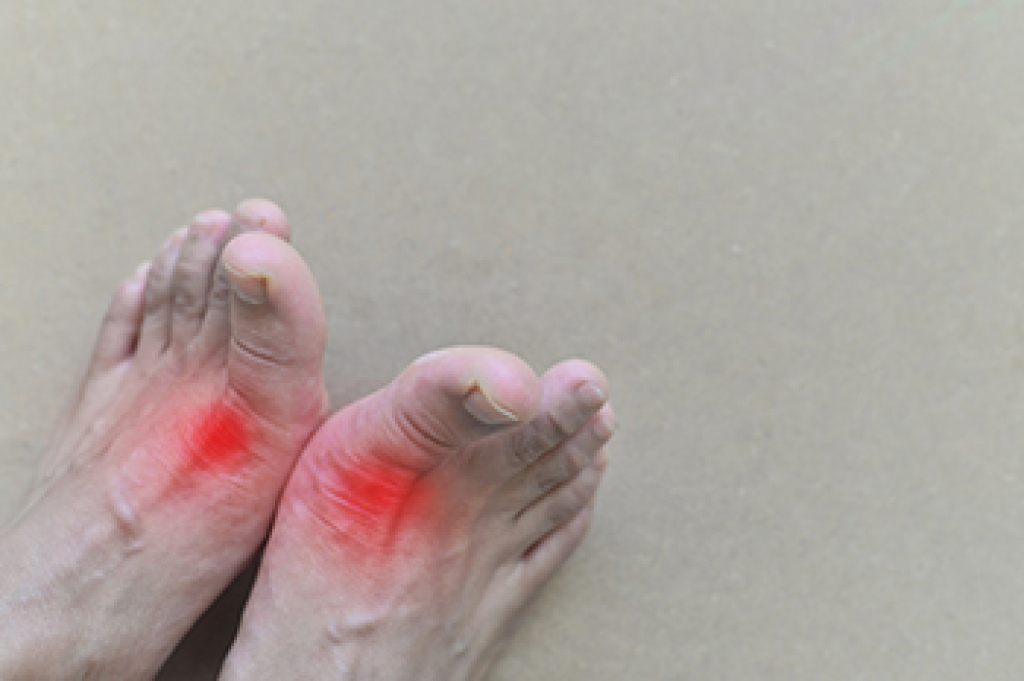
Gout is defined as a foot condition that can cause severe pain and discomfort. It often targets the joints in the big toe and is caused by an excess level of uric acid. Eating foods that have high levels of purines may cause uric acid levels to rise and convert to crystals that lodge in the joints of the toes. There are trigger foods that can be avoided in patients who have gout, and this may reduce the number of painful gout attacks. Red meat can fall into this category, and frequently eating this food can increase the chances of getting gout. Many people think honey is an alternative to processed sugar, however, it also contains a large amount of uric acid. There are certain types of seafood that have high levels of purines. These can consist of shellfish, sardines, anchovies, and scallops, and gout patients are advised to eat infrequent or small amounts of these types of seafood. If you would like more information about what type of foods can trigger gout attacks, it is suggested that you confer with a podiatrist who can provide you with healthy food choices to choose from.

Gout is a painful condition that can be treated. If you are seeking treatment, contact Peter Siroka, DPM from Connecticut. Our doctor will treat your foot and ankle needs.

What Is Gout?

Gout is a form of arthritis that is characterized by sudden, severe attacks of pain, redness, and tenderness in the joints. The condition usually affects the joint at the base of the big toe. A gout attack can occur at any random time, such as the middle of the night while you are asleep.

Symptoms

  • Intense Joint Pain - Usually around the large joint of your big toe, and it most severe within the first four to twelve hours
  • Lingering Discomfort - Joint discomfort may last from a few days to a few weeks
  • Inflammation and Redness -Affected joints may become swollen, tender, warm and red
  • Limited Range of Motion - May experience a decrease in joint mobility

Risk Factors

  • Genetics - If family members have gout, you’re more likely to have it
  • Medications - Diuretic medications can raise uric acid levels
  • Gender/Age - Gout is more common in men until the age of 60. It is believed that estrogen protects women until that point
  • Diet - Eating red meat and shellfish increases your risk
  • Alcohol - Having more than two alcoholic drinks per day increases your risk
  • Obesity - Obese people are at a higher risk for gout

Prior to visiting your podiatrist to receive treatment for gout, there are a few things you should do beforehand. If you have gout you should write down your symptoms--including when they started and how often you experience them, important medical information you may have, and any questions you may have. Writing down these three things will help your podiatrist in assessing your specific situation so that he or she may provide the best route of treatment for you.

If you have any questions, please feel free to contact our office located in Stamford, CT . We offer the newest diagnostic and treatment technologies for all your foot care needs.
Read more about Gout

Ankle Fracture? Don’t Wait for Treatment

If you're suffering from an ankle fracture, professional attention shouldn't wait. Fractures may worsen over time and can make completing everyday activities incredibly difficult. See your specialist for treatment and guidance through the healing process. 

Morton’s Neuroma and High Heels

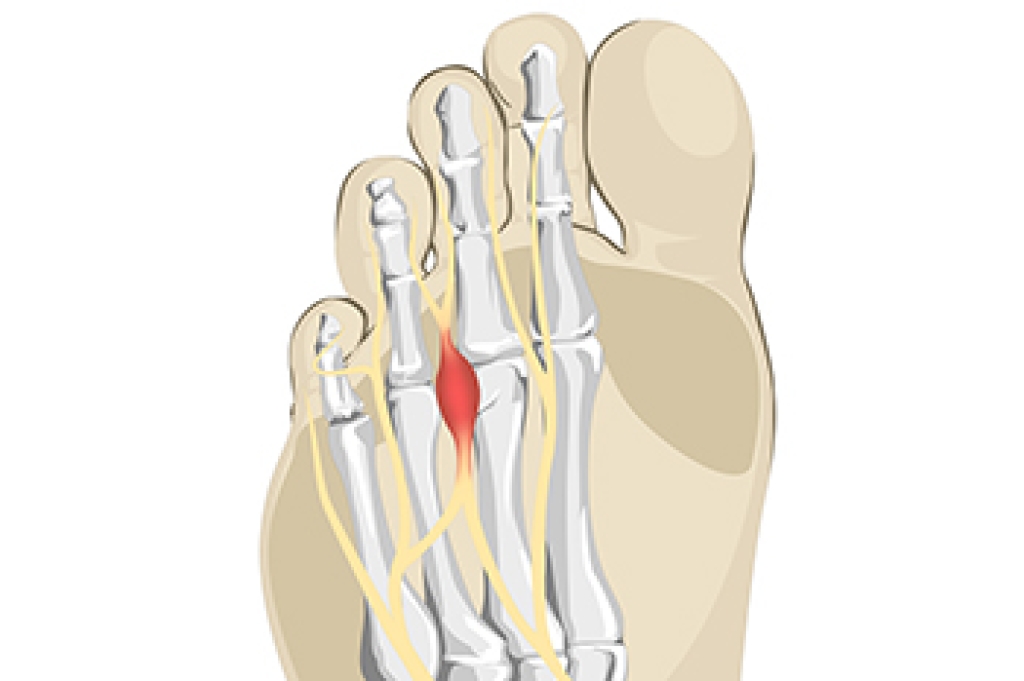
Some people feel the sensation of having a small pebble in their sock or shoe, and this can be a symptom of the foot condition known as Morton’s neuroma. It can develop as a result of wearing shoes that do have enough room in the toe area to move freely in. High heels can fall into this category and can affect women who frequently wear this type of shoe. This ailment affects the nerve between the third and fourth toes and can cause severe pain and discomfort. The nerve can become compressed and irritated, and mild relief may be felt when the shoes that are worn have a wider toe box. This condition will not improve when high heels are consistently worn, and surgery may be necessary to remove or repair the nerve. Patients may find some relief when anti-inflammatory medications are taken and the affected foot is massaged. If you have pain in this part of your foot, it is suggested that you visit a podiatrist who can diagnose and treat Moton’s neuroma. 

Morton’s neuroma is a very uncomfortable condition to live with. If you think you have Morton’s neuroma, contact Peter Siroka, DPM of Connecticut. Our doctor will attend to all of your foot care needs and answer any of your related questions.  

Morton’s Neuroma

Morton's neuroma is a painful foot condition that commonly affects the areas between the second and third or third and fourth toe, although other areas of the foot are also susceptible. Morton’s neuroma is caused by an inflamed nerve in the foot that is being squeezed and aggravated by surrounding bones.

What Increases the Chances of Having Morton’s Neuroma?

  • Ill-fitting high heels or shoes that add pressure to the toe or foot
  • Jogging, running or any sport that involves constant impact to the foot
  • Flat feet, bunions, and any other foot deformities

Morton’s neuroma is a very treatable condition. Orthotics and shoe inserts can often be used to alleviate the pain on the forefront of the feet. In more severe cases, corticosteroids can also be prescribed. In order to figure out the best treatment for your neuroma, it’s recommended to seek the care of a podiatrist who can diagnose your condition and provide different treatment options.

If you have any questions, please feel free to contact our office located in Stamford, CT . We offer the newest diagnostic and treatment technologies for all your foot care needs.
Read more about Morton's Neuroma

Several Reasons Heel Pain Can Develop

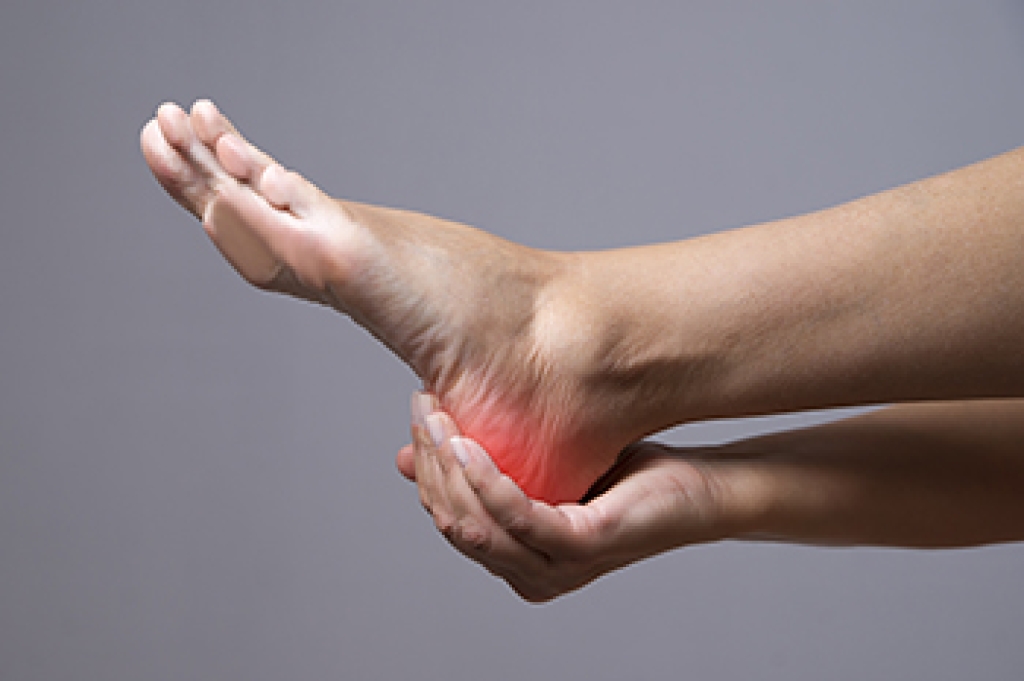
The heel is an interesting part of the foot. It is a cushioned area that is formed with fatty tissue and is able to hold the weight of the body. Patients may experience heel pain for various reasons. These can include frequently standing or walking on hard surfaces, becoming obese, or if a foot injury has occurred. The condition that is known as plantar fasciitis affects the heel and can be painful. It can happen as a result of an irritated plantar fascia, which is the portion of tissue on the sole of the foot that connects the heel to the toes. This can become injured or torn, and medical attention is often sought for relief. Heel pain can also happen from wearing shoes that do not fit correctly, or if a heel spur has developed. If you have heel pain, it is strongly suggested that you consult a podiatrist who can correctly determine what the cause is, and offer effective treatment options.

Many people suffer from bouts of heel pain. For more information, contact Peter Siroka, DPM of Connecticut. Our doctor can provide the care you need to keep you pain-free and on your feet.

Causes of Heel Pain

Heel pain is often associated with plantar fasciitis. The plantar fascia is a band of tissues that extends along the bottom of the foot. A rip or tear in this ligament can cause inflammation of the tissue.

Achilles tendonitis is another cause of heel pain. Inflammation of the Achilles tendon will cause pain from fractures and muscle tearing. Lack of flexibility is also another symptom.

Heel spurs are another cause of pain. When the tissues of the plantar fascia undergo a great deal of stress, it can lead to ligament separation from the heel bone, causing heel spurs.

Why Might Heel Pain Occur?

  • Wearing ill-fitting shoes                
  • Wearing non-supportive shoes
  • Weight change           
  • Excessive running

Treatments

Heel pain should be treated as soon as possible for immediate results. Keeping your feet in a stress-free environment will help. If you suffer from Achilles tendonitis or plantar fasciitis, applying ice will reduce the swelling. Stretching before an exercise like running will help the muscles. Using all these tips will help make heel pain a condition of the past.

If you have any questions, please feel free to contact our office located in Stamford, CT . We offer the newest diagnostic and treatment technologies for all your foot care needs.

Read more about Heel Pain

Connect With Us

scroll to top