
Your feet are covered most of the day. If you're diabetic, periodic screening is important for good health. Numbness is often a sign of diabetic foot and can mask a sore or wound.
Your feet are covered most of the day. If you're diabetic, periodic screening is important for good health. Numbness is often a sign of diabetic foot and can mask a sore or wound.
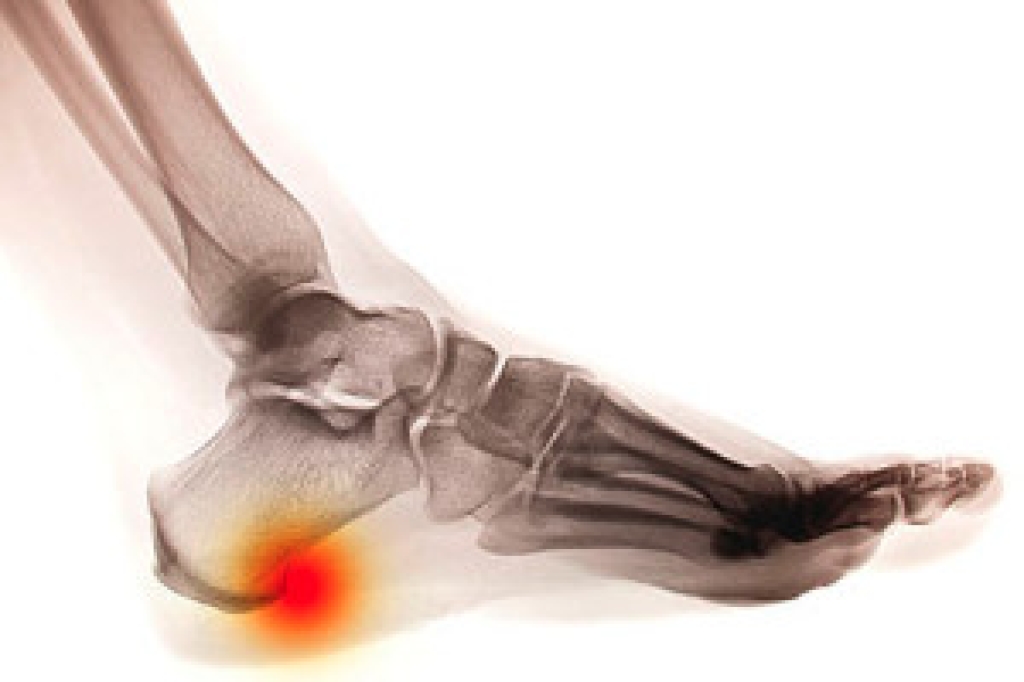
Heel spurs, a common foot condition, are bony outgrowths that form on the underside of the heel bone. They often develop in response to long-term strain on the foot's ligaments and muscles. While many individuals have heel spurs, not all experience pain. When pain does occur, it is generally due to the inflammation of the surrounding tissues, a condition known as plantar fasciitis. The symptoms of heel spurs can include sharp, stabbing pain in the heel, especially while walking or standing after periods of rest. The pain tends to improve as the foot warms up but may return after prolonged activity. Risk factors for heel spurs include obesity, wearing poor-fitting or worn-out shoes, and activities that place excessive strain on the feet, such as running and prolonged standing. Diagnosis and treatment may involve having X-rays taken to confirm the presence of a heel spur. Understanding heel spurs and their management options is vital for individuals seeking relief from this often painful condition. If you have developed a heel spur, it is suggested that you consult a podiatrist who can determine if it is mild or severe, and offer treatment options that are right for you.
Heel spurs can be incredibly painful and sometimes may make you unable to participate in physical activities. To get medical care for your heel spurs, contact Peter Siroka, DPM from Connecticut. Our doctor will do everything possible to treat your condition.
Heels Spurs
Heel spurs are formed by calcium deposits on the back of the foot where the heel is. This can also be caused by small fragments of bone breaking off one section of the foot, attaching onto the back of the foot. Heel spurs can also be bone growth on the back of the foot and may grow in the direction of the arch of the foot.
Older individuals usually suffer from heel spurs and pain sometimes intensifies with age. One of the main condition's spurs are related to is plantar fasciitis.
Pain
The pain associated with spurs is often because of weight placed on the feet. When someone is walking, their entire weight is concentrated on the feet. Bone spurs then have the tendency to affect other bones and tissues around the foot. As the pain continues, the feet will become tender and sensitive over time.
Treatments
There are many ways to treat heel spurs. If one is suffering from heel spurs in conjunction with pain, there are several methods for healing. Medication, surgery, and herbal care are some options.
If you have any questions, please feel free to contact our office located in Stamford, CT . We offer the newest diagnostic and treatment technologies for all your foot care needs.
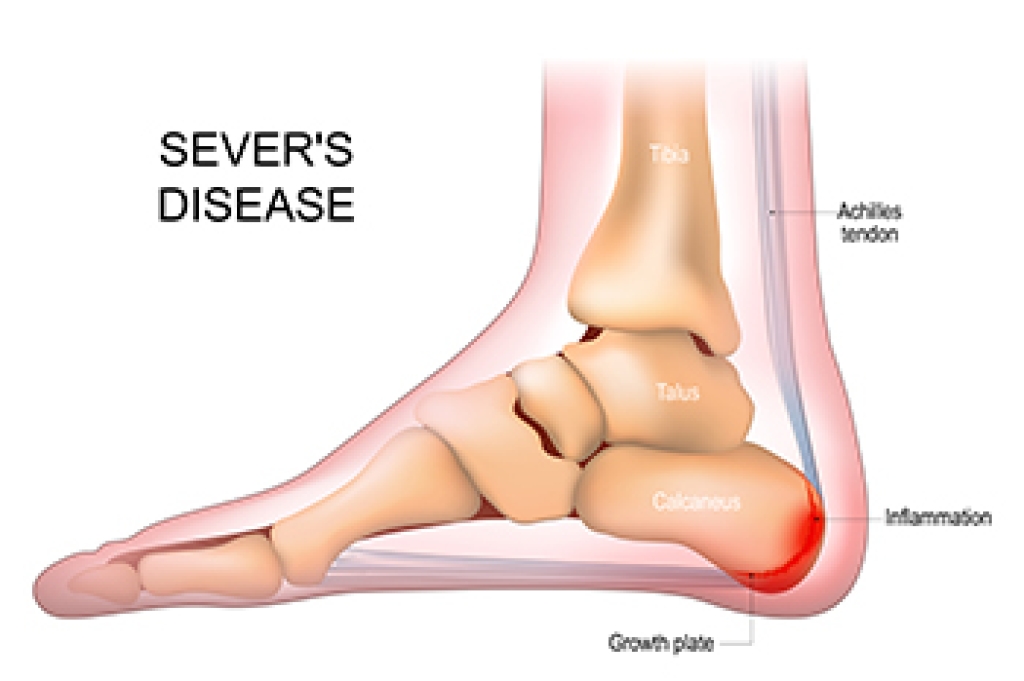
Sever's disease, also known as calcaneal apophysitis, is a common condition affecting children and adolescents. It occurs due to the inflammation of the growth plate in the heel bone, typically during the growth spurts of puberty. One of the primary causes of Sever's disease is the imbalance between the growth of the heel bone and the Achilles tendon. This imbalance can result from intense physical activities, such as running or jumping, which put excessive stress on the heel area. The common symptoms of Sever's disease include heel pain, especially when walking or participating in sports. Pain is often worse during or after activities, and may be accompanied by limping. Swelling and tenderness in the affected heel are also common. It is essential to recognize these signs early, as a timely intervention may help to manage the condition and prevent long-term complications. If your child experiences persistent heel pain, it is suggested that you consult a podiatrist who can determine the appropriate course of treatment and ensure a healthy, pain-free adolescence.
Sever's disease often occurs in children and teens. If your child is experiencing foot or ankle pain, see Peter Siroka, DPM from Connecticut. Our doctor can treat your child’s foot and ankle needs.
Sever’s Disease
Sever’s disease is also known as calcaneal apophysitis, which is a medical condition that causes heel pain I none or both feet. The disease is known to affect children between the ages of 8 and 14.
Sever’s disease occurs when part of the child’s heel known as the growth plate (calcaneal epiphysis) is attached to the Achilles tendon. This area can suffer injury when the muscles and tendons of the growing foot do not keep pace with bone growth. Therefore, the constant pain which one experiences at the back of the heel will make the child unable to put any weight on the heel. The child is then forced to walk on their toes.
Symptoms
Acute pain – Pain associated with Sever’s disease is usually felt in the heel when the child engages in physical activity such as walking, jumping and or running.
Highly active – Children who are very active are among the most susceptible in experiencing Sever’s disease, because of the stress and tension placed on their feet.
If you have any questions, please feel free to contact our office located in Stamford, CT . We offer the newest diagnostic and treatment technologies for all your foot care needs.

Falls can happen to anyone, regardless of age, and their consequences can be severe. Preventing falls is a critical consideration that extends beyond the elderly. Many factors contribute to falls, including environmental hazards, impaired vision, muscle weakness, and balance issues. One of the fundamental strategies for fall prevention is maintaining a healthy and active lifestyle. Regular exercise, which can improve strength and balance, is a key component. Additionally, assessing and eliminating potential hazards in your surroundings, such as loose rugs or cluttered walkways, is essential. Falling is not an inevitable part of aging, it is a preventable event through awareness, proactive measures, and a focus on health and safety, regardless of your age. Falling can seriously affect the feet. If you would like to have information about how to safeguard the feet from falling, it is suggested that you confer with a podiatrist, who is an expert in matters of the feet and ankles.
Preventing falls among the elderly is very important. If you are older and have fallen or fear that you are prone to falling, consult with Peter Siroka, DPM from Connecticut. Our doctor will assess your condition and provide you with quality advice and care.
Every 11 seconds, an elderly American is being treated in an emergency room for a fall related injury. Falls are the leading cause of head and hip injuries for those 65 and older. Due to decreases in strength, balance, senses, and lack of awareness, elderly persons are very susceptible to falling. Thankfully, there are a number of things older persons can do to prevent falls.
How to Prevent Falls
Some effective methods that older persons can do to prevent falls include:
Falling can be a traumatic and embarrassing experience for elderly persons; this can make them less willing to leave the house, and less willing to talk to someone about their fears of falling. Doing such things, however, will increase the likelihood of tripping or losing one’s balance. Knowing the causes of falling and how to prevent them is the best way to mitigate the risk of serious injury.
If you have any questions, please feel free to contact our office located in Stamford, CT . We offer the newest diagnostic and treatment technologies for all your foot care needs.

Ingrown toenails are a common condition in which the corner or side of a toenail grows into the soft flesh. The result is pain, inflamed skin, swelling and, sometimes, an infection. Ingrown toenails, which most commonly affect the big toe, can be painful and frustrating, but the good news is that there are several effective treatment options available to alleviate the discomfort and promote healing. Ingrown toenails often result from improper nail care, wearing tight-fitting shoes, or trauma to the toe. Cutting your nails too short or rounding the edges instead of trimming them straight across can also increase the risk. Find shoes that have a wider toe box, to avoid having the toes squeezed too tightly. If ingrown toenails develop frequently, custom orthotic devices also can help redistribute pressure on the toes. A podiatrist may prescribe antibiotics to treat or prevent infection. In more severe cases, a podiatrist may need to remove a portion of the ingrown toenail to promote healthy nail growth. If you are suffering from the pain of an ingrown toenail, it is suggested that you make an appointment with a podiatrist for proper diagnosis and treatment.
Ingrown toenails can become painful if they are not treated properly. For more information about ingrown toenails, contact Peter Siroka, DPM of Connecticut. Our doctor can provide the care you need to keep you pain-free and on your feet.
Ingrown Toenails
Ingrown toenails occur when a toenail grows sideways into the bed of the nail, causing pain, swelling, and possibly infection.
Causes
Prevention
Wearing proper fitting shoes and using proper cutting techniques will also help decrease your risk of developing ingrown toenails.
Treatment
Ingrown toenails are a very treatable foot condition. In minor cases, soaking the affected area in salt or antibacterial soaps will not only help with the ingrown nail itself, but also help prevent any infections from occurring. In more severe cases, surgery is an option. In either case, speaking to your podiatrist about this condition will help you get a better understanding of specific treatment options that are right for you.
If you have any questions, please feel free to contact our office located in Stamford, CT . We offer the newest diagnostic and treatment technologies for all your foot care needs.

Have you noticed a bony protrusion on the side of your big toe? If so, you may have developed the foot condition known as a bunion. Don't let bunions interfere with your daily activities.
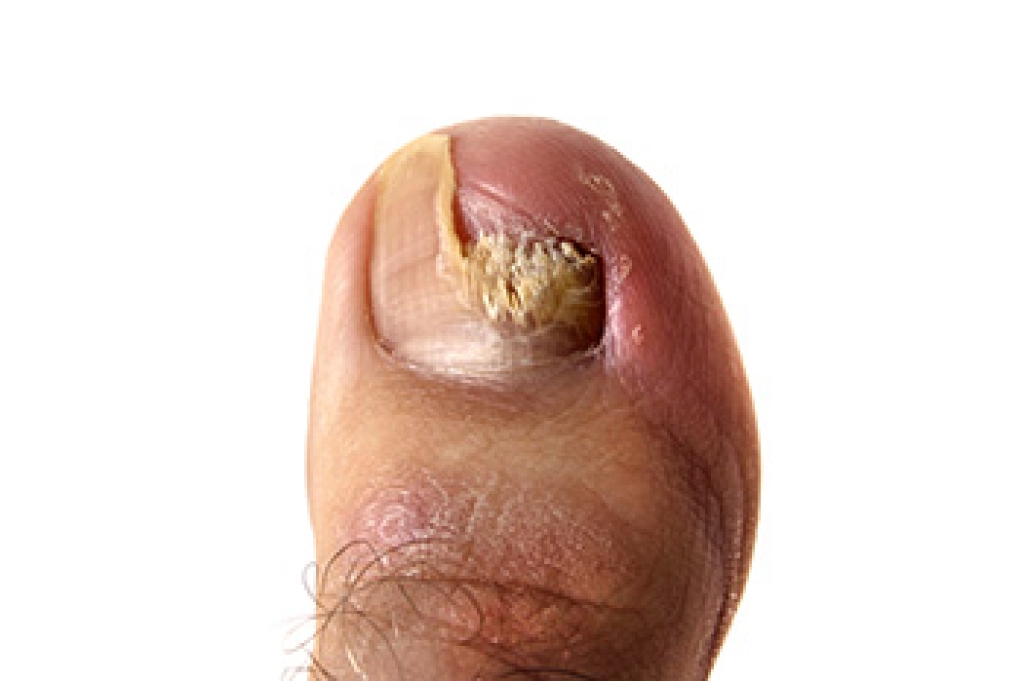
Toenail fungus, medically known as onychomycosis, can be a persistent and unsightly problem. However, staying vigilant and proactive can help you maintain healthy toenails. One of the primary prevention strategies is maintaining good foot hygiene. Regularly wash your feet with soap and water, ensuring to dry them thoroughly, especially between the toes. Keep your toenails trimmed and cut them straight across to prevent debris buildup. Opt for breathable footwear and moisture-wicking socks to reduce the risk of fungal growth in damp environments. If you visit public pools or locker rooms, it is helpful to wear shower shoes that can minimize contact with potentially contaminated surfaces. Additionally, avoid sharing personal items such as nail clippers or shoes with others. Lastly, manage underlying health conditions, as problems like diabetes or weakened immune systems can increase susceptibility to toenail fungus. If you have toenail fungus, it is strongly suggested that you speak with a podiatrist for effective treatment methods and additional prevention strategies.
For more information about treatment, contact Peter Siroka, DPM of Connecticut. Our doctor can provide the care you need to keep you pain-free and on your feet.
Toenail Fungus Treatment
Toenail fungus is a condition that affects many people and can be especially hard to get rid of. Fortunately, there are several methods to go about treating and avoiding it.
Antifungals & Deterrence
Oral antifungal medicine has been shown to be effective in many cases. It is important to consult with a podiatrist to determine the proper regiment for you, or potentially explore other options.
Applying foot powder on the feet and shoes helps keep the feet free of moisture and sweat.
Sandals or open toed shoes – Wearing these will allow air movement and help keep feet dry. They also expose your feet to light, which fungus cannot tolerate. Socks with moisture wicking material also help as well.
If you have any questions please contact our office located in Stamford, CT . We offer the newest diagnostic and treatment technologies for all your foot and ankle needs.

Fencing is a thrilling dance of swords, a clash of sharp intellects, and a showcase of exceptional skills. However, within the fluidity of each swift lunge and precise comeback, the potential for injuries lurks in the shadows. It can help to be aware of early indicators of injuries in fencing to proactively try to evade them. Foot and ankle injuries such as sprains and strains can emerge from absorbing the impact of swift maneuvers and changes in direction. Typical signs encompass discomfort, swelling, and challenges in walking or bearing weight. Safeguard against foot injuries by investing in top-tier fencing footwear, executing thorough warm-up routines, and upholding precise footwork techniques. In cases of foot injuries, the recommended course of action is resting, elevating, and compressing the affected limb. If you participate in fencing and have sustained a severe or persistent foot or ankle injury, it is suggested that you make an appointment with a podiatrist for a proper diagnosis and treatment.
Sports related foot and ankle injuries require proper treatment before players can go back to their regular routines. For more information, contact Peter Siroka, DPM of Connecticut. Our doctor can provide the care you need to keep you pain-free and on your feet.
Sports Related Foot and Ankle Injuries
Foot and ankle injuries are a common occurrence when it comes to athletes of any sport. While many athletes dismiss the initial aches and pains, the truth is that ignoring potential foot and ankle injuries can lead to serious problems. As athletes continue to place pressure and strain the area further, a mild injury can turn into something as serious as a rupture and may lead to a permanent disability. There are many factors that contribute to sports related foot and ankle injuries, which include failure to warm up properly, not providing support or wearing bad footwear. Common injuries and conditions athletes face, including:
Sports related injuries are commonly treated using the RICE method. This includes rest, applying ice to the injured area, compression and elevating the ankle. More serious sprains and injuries may require surgery, which could include arthroscopic and reconstructive surgery. Rehabilitation and therapy may also be required in order to get any recovering athlete to become fully functional again. Any unusual aches and pains an athlete sustains must be evaluated by a licensed, reputable medical professional.
If you have any questions please contact our office located in Stamford, CT . We offer the newest diagnostic and treatment technologies for all your foot and ankle needs.

Biomechanical problems of the feet can lead to various issues in the body, including foot pain. These problems often result from conditions consisting of fallen arches, overpronation, or supination. Fallen arches, known as flat feet, can occur due to excessive pronation, causing the foot to roll inward. Conversely, high arches can lead to supination, where the foot rolls outward. Both of these conditions can create imbalances in the body's mechanics, affecting the feet and other body parts, and leading to pain during activities like walking or running. Symptoms of biomechanical foot problems can include hip pain, knee pain, leg cramps, and ankle pain. Additionally, the lower back, Achilles tendon and the heel may be affected. Treatment options often include a gait analysis to understand walking patterns, orthotic devices, and shoe modifications. If you have foot pain, it is suggested that you make an appointment with a podiatrist for a thorough evaluation of your feet and ankles, and a treatment plan based on results.
Foot Pain
Foot pain can be extremely painful and debilitating. If you have a foot pain, consult with Peter Siroka, DPM from Connecticut. Our doctor will assess your condition and provide you with quality foot and ankle treatment.
Causes
Foot pain is a very broad condition that could be caused by one or more ailments. The most common include:
Diagnosis
To figure out the cause of foot pain, podiatrists utilize several different methods. This can range from simple visual inspections and sensation tests to X-rays and MRI scans. Prior medical history, family medical history, and any recent physical traumatic events will all be taken into consideration for a proper diagnosis.
Treatment
Treatment depends upon the cause of the foot pain. Whether it is resting, staying off the foot, or having surgery; podiatrists have a number of treatment options available for foot pain.
If you have any questions, please feel free to contact our office located in Stamford, CT . We offer the newest diagnostic and treatment technologies for all your foot care needs.
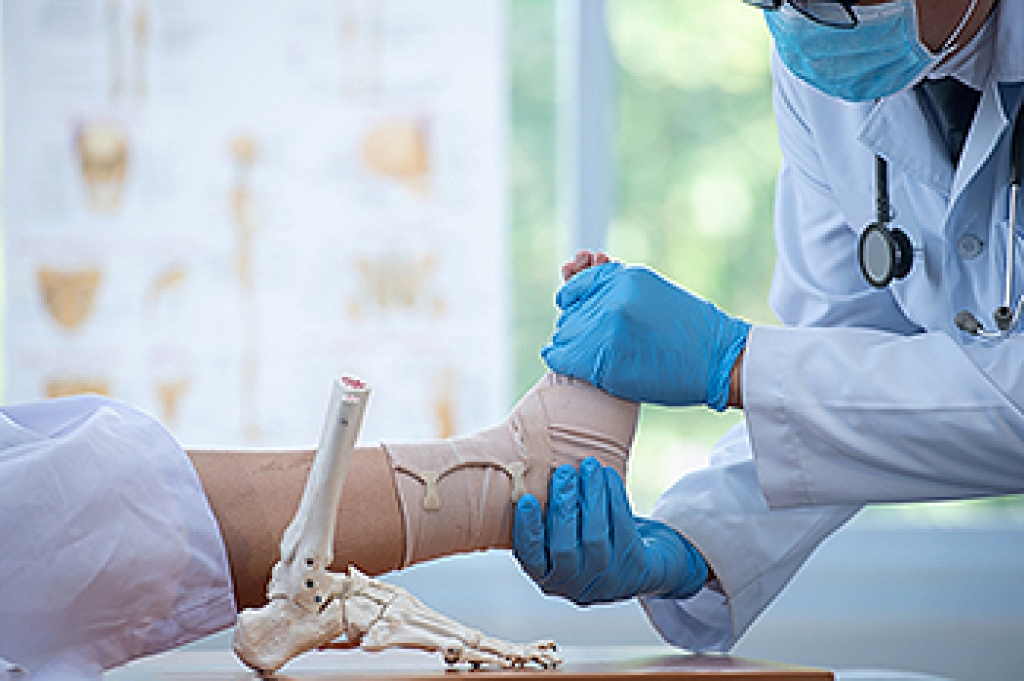
A foot fracture, also known as a broken foot, can vary in severity, from small hairline cracks to complete bone breaks. The human foot is a complex structure comprising 26 bones, making it susceptible to a variety of fracture types. Foot fractures often result from traumatic incidents, such as falls, sports injuries, or accidents. They can also occur due to repetitive stress on the foot over time, especially in athletes or individuals engaged in high-impact activities. Common symptoms of a foot fracture include pain, swelling, and bruising, and it can also be difficult to walk. A diagnosis typically involves physical examination, X-rays, or other imaging tests to determine the type and extent of the fracture. Treatment options can vary depending on the fracture's severity and location. Mild fractures may heal with rest, immobilization, and pain management. Conversely, more severe cases may require casting, surgery, or other interventions to ensure proper healing that can restore normal foot function. In conclusion, a foot fracture is a break in one or more of the foot's many bones, often resulting from trauma or repetitive stress. If you have broken your foot, it is suggested that you visit a podiatrist who can provide you with an accurate diagnosis and offer the treatment plan that is right for you.
A broken foot requires immediate medical attention and treatment. If you need your feet checked, contact Peter Siroka, DPM from Connecticut. Our doctor can provide the care you need to keep you pain-free and on your feet.
Broken Foot Causes, Symptoms, and Treatment
A broken foot is caused by one of the bones in the foot typically breaking when bended, crushed, or stretched beyond its natural capabilities. Usually the location of the fracture indicates how the break occurred, whether it was through an object, fall, or any other type of injury.
Common Symptoms of Broken Feet:
Those that suspect they have a broken foot shoot seek urgent medical attention where a medical professional could diagnose the severity.
Treatment for broken bones varies depending on the cause, severity and location. Some will require the use of splints, casts or crutches while others could even involve surgery to repair the broken bones. Personal care includes the use of ice and keeping the foot stabilized and elevated.
If you have any questions, please feel free to contact our office located in Stamford, CT . We offer the newest diagnostic and treatment technologies for all your foot care needs.
Connect With Us
