Heel Pain and the Importance of Early Foot Care

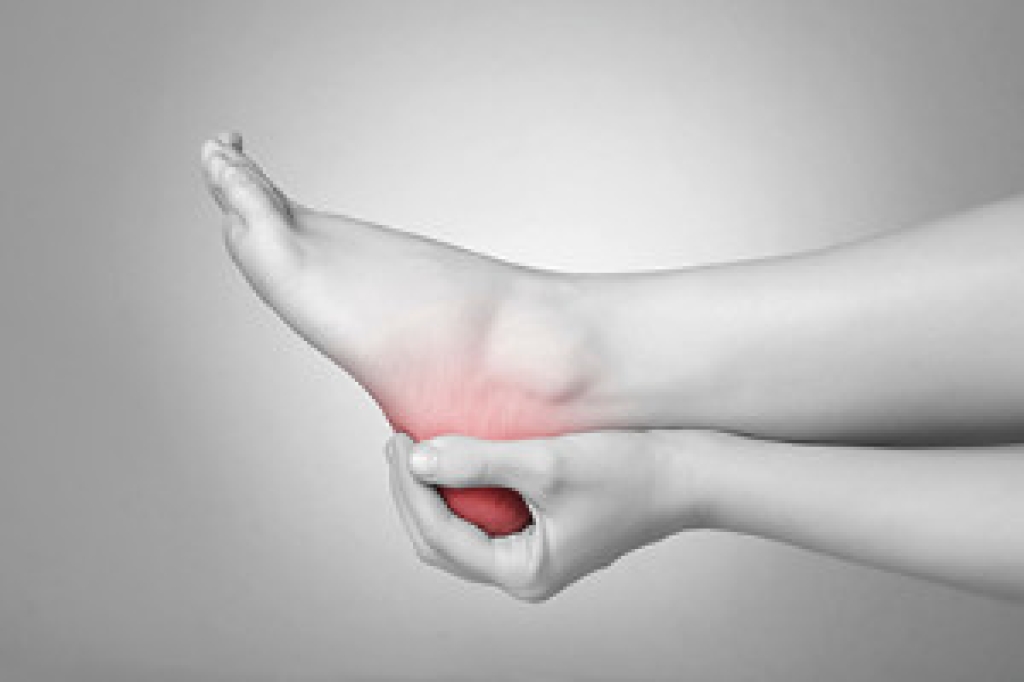
Heel pain occurs when the tissues surrounding the heel become irritated or inflamed. It often appears as a sharp or aching sensation when walking or standing, and may worsen after periods of rest. Several risk factors increase the likelihood of heel pain, including middle age, physically active lifestyles, excess body weight, pregnancy, and occupations that require standing for long periods of time. Wearing poorly fitted shoes with limited cushioning or support can also place stress on the heel. Direct injury or repeated strain to the heel area may further contribute to discomfort. A podiatrist can evaluate the cause, recommend supportive footwear, and provide treatments that relieve pain. If you have heel pain, it is suggested that you promptly consult a podiatrist who can offer effective relief and treatment solutions.

Many people suffer from bouts of heel pain. For more information, contact Peter Siroka, DPM of Connecticut. Our doctor can provide the care you need to keep you pain-free and on your feet.

Causes of Heel Pain

Heel pain is often associated with plantar fasciitis. The plantar fascia is a band of tissues that extends along the bottom of the foot. A rip or tear in this ligament can cause inflammation of the tissue.

Achilles tendonitis is another cause of heel pain. Inflammation of the Achilles tendon will cause pain from fractures and muscle tearing. Lack of flexibility is also another symptom.

Heel spurs are another cause of pain. When the tissues of the plantar fascia undergo a great deal of stress, it can lead to ligament separation from the heel bone, causing heel spurs.

Why Might Heel Pain Occur?

  • Wearing ill-fitting shoes                
  • Wearing non-supportive shoes
  • Weight change           
  • Excessive running

Treatments

Heel pain should be treated as soon as possible for immediate results. Keeping your feet in a stress-free environment will help. If you suffer from Achilles tendonitis or plantar fasciitis, applying ice will reduce the swelling. Stretching before an exercise like running will help the muscles. Using all these tips will help make heel pain a condition of the past.

If you have any questions, please feel free to contact our office located in Stamford, CT . We offer the newest diagnostic and treatment technologies for all your foot care needs.

Read more about Heel Pain

Do You Suffer From Painful Feet?

Painful deformities, such as hammertoes, can be treated. Stop living with foot pain, and have beautiful feet again!

Facts About Morton’s Neuroma

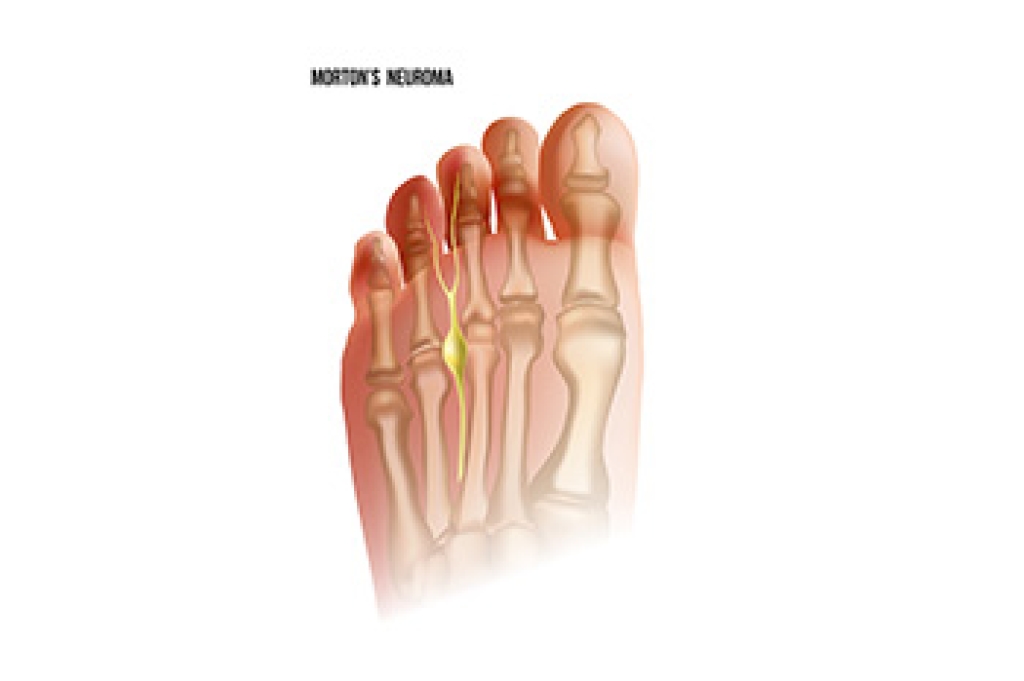
Morton’s neuroma affects the forefoot, most commonly between the third and fourth toes. It develops when the digital nerve becomes thickened or fibrotic, leading to irritation and discomfort. Symptoms often include burning, tingling, numbness, or the sensation of stepping on a pebble inside the shoe. This painful condition is frequently caused by wearing tight or narrow footwear, such as high heels, or activities that place repeated pressure on the forefoot. Risk factors include foot shape, high-impact exercise, and prolonged periods in constrictive shoes. A podiatrist can diagnose Morton’s neuroma, recommend custom orthotics, suggest appropriate footwear, and provide treatment to reduce pain. If you have pain in this part of your foot, it is suggested that you consult a podiatrist who can accurately diagnose and treat what may be going on.

Morton’s neuroma is a very uncomfortable condition to live with. If you think you have Morton’s neuroma, contact Peter Siroka, DPM of Connecticut. Our doctor will attend to all of your foot care needs and answer any of your related questions.  

Morton’s Neuroma

Morton's neuroma is a painful foot condition that commonly affects the areas between the second and third or third and fourth toe, although other areas of the foot are also susceptible. Morton’s neuroma is caused by an inflamed nerve in the foot that is being squeezed and aggravated by surrounding bones.

What Increases the Chances of Having Morton’s Neuroma?

  • Ill-fitting high heels or shoes that add pressure to the toe or foot
  • Jogging, running or any sport that involves constant impact to the foot
  • Flat feet, bunions, and any other foot deformities

Morton’s neuroma is a very treatable condition. Orthotics and shoe inserts can often be used to alleviate the pain on the forefront of the feet. In more severe cases, corticosteroids can also be prescribed. In order to figure out the best treatment for your neuroma, it’s recommended to seek the care of a podiatrist who can diagnose your condition and provide different treatment options.

If you have any questions, please feel free to contact our office located in Stamford, CT . We offer the newest diagnostic and treatment technologies for all your foot care needs.
Read more about What is Morton's Neuroma?

Painful Pinky Toe Corns

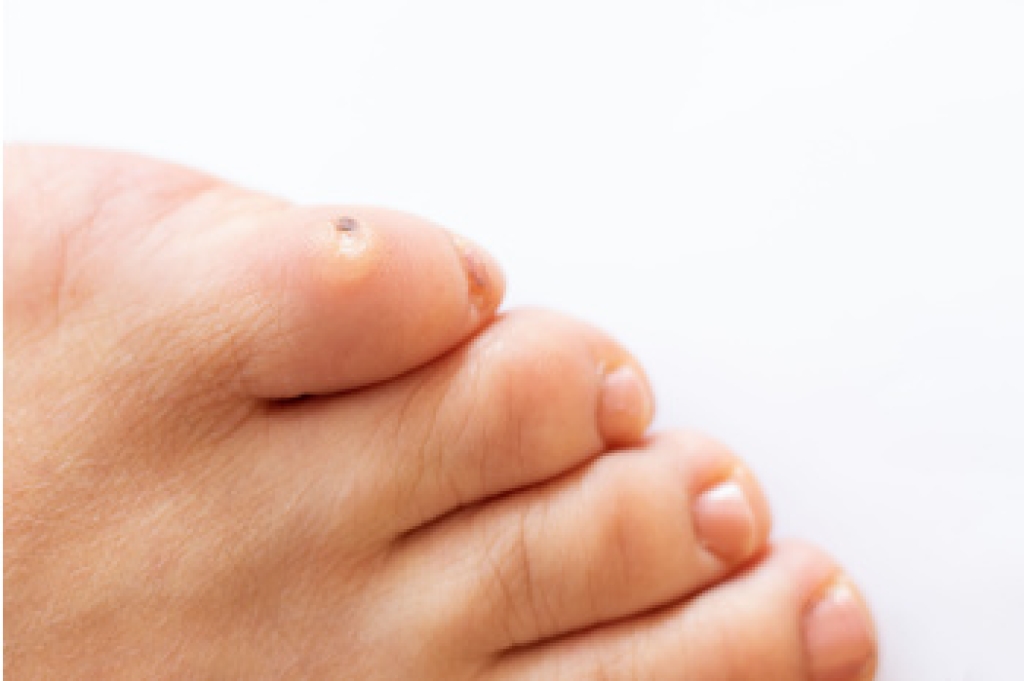
A pinky toe corn is a small area of thickened skin that develops due to repeated friction or pressure on the outer part of the smallest toe. This protective buildup forms when the skin responds to irritation, often from wearing tight or ill-fitting shoes. Common causes include narrow footwear, high heels, toe deformities, and abnormal foot mechanics that increase pressure. Risk factors include hammertoes, bunions, excessive walking, and improper shoe sizing. Symptoms may include tenderness, a hard raised bump, redness, and discomfort when wearing shoes. A podiatrist can safely remove the corn, address underlying structural issues, and recommend proper footwear or orthotics. If you have developed a corn anywhere on your foot, it is suggested that you consult a podiatrist who can offer effective treatment and prevention tips.

Corns can make walking very painful and should be treated immediately. If you have questions regarding your feet and ankles, contact Peter Siroka, DPM of Connecticut. Our doctor will treat your foot and ankle needs.

Corns: What Are They? And How Do You Get Rid of Them?
Corns are thickened areas on the skin that can become painful. They are caused by excessive pressure and friction on the skin. Corns press into the deeper layers of the skin and are usually round in shape.

Ways to Prevent Corns
There are many ways to get rid of painful corns such as:

  • Wearing properly fitting shoes that have been measured by a professional
  • Wearing shoes that are not sharply pointed or have high heels
  • Wearing only shoes that offer support

Treating Corns

Although most corns slowly disappear when the friction or pressure stops, this isn’t always the case. Consult with your podiatrist to determine the best treatment option for your case of corns.

If you have any questions, please feel free to contact our office located in Stamford, CT . We offer the newest diagnostic and treatment technologies for all your foot care needs.
Read more about Corns and Calluses

Sudden Joint Pain

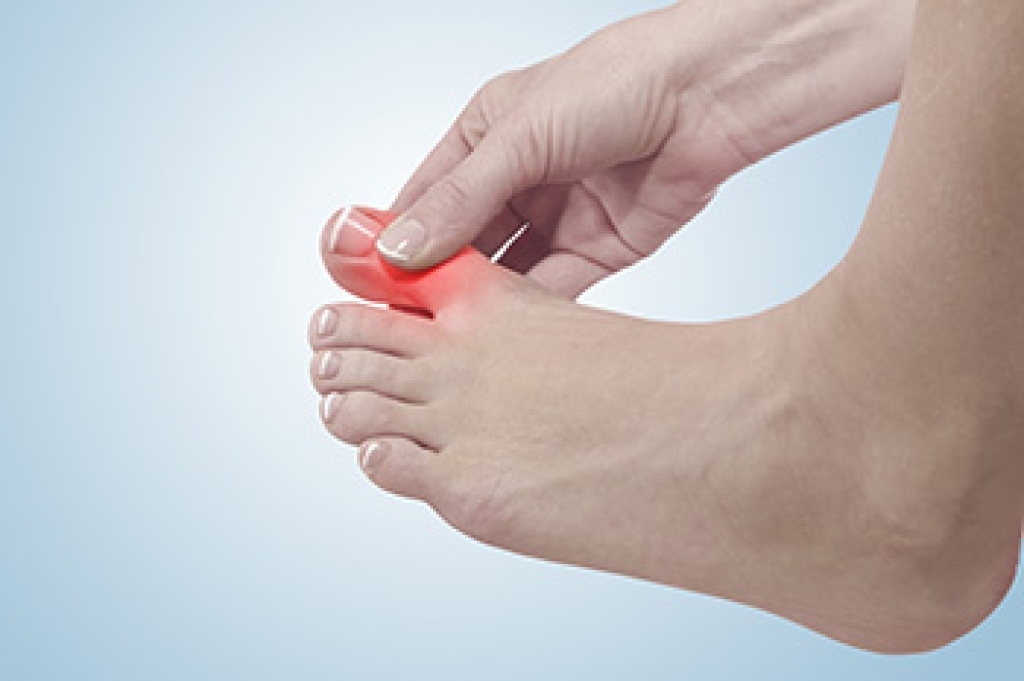
Gout is a form of inflammatory arthritis that commonly affects the foot, especially the big toe, and often appears without warning. It is caused by a buildup of uric acid in the blood, which can form sharp crystals in the joints due to diet, genetics, dehydration, or certain medical conditions. Symptoms include intense pain, swelling, redness, and warmth that may develop overnight. The joint may look shiny, swollen, and inflamed, and it often feels extremely tender to the touch, making walking difficult. A podiatrist can help by starting with a detailed history and physical exam, supported by imaging or lab testing when needed to confirm the diagnosis. Treatment may progress to medication management, footwear guidance, dietary education, and strategies to reduce flare-ups. Early care can limit joint damage and improve mobility. If you have gout, it is suggested that you schedule  an appointment with a podiatrist for effective relief and management tips.

Gout is a foot condition that requires certain treatment and care. If you are seeking treatment, contact Peter Siroka, DPM from Connecticut. Our doctor will treat your foot and ankle needs.

What Is Gout?

Gout is a type of arthritis caused by a buildup of uric acid in the bloodstream. It often develops in the foot, especially the big toe area, although it can manifest in other parts of the body as well. Gout can make walking and standing very painful and is especially common in diabetics and the obese.

People typically get gout because of a poor diet. Genetic predisposition is also a factor. The children of parents who have had gout frequently have a chance of developing it themselves.

Gout can easily be identified by redness and inflammation of the big toe and the surrounding areas of the foot. Other symptoms include extreme fatigue, joint pain, and running high fevers. Sometimes corticosteroid drugs can be prescribed to treat gout, but the best way to combat this disease is to get more exercise and eat a better diet.

If you have any questions, please feel free to contact our office located in Stamford, CT . We offer the newest diagnostic and treatment technologies for all your foot care needs.

Read more about Everything You Need to Know About Gout

Connect With Us

scroll to top