The Link Between Foot Conditions and General Health

Your feet can provide important clues about your overall health. Changes in their appearance, sensation, or function may indicate underlying medical conditions. Cold feet could suggest poor circulation, while persistent swelling might be a sign of heart, kidney, or venous issues. Discoloration, sores that do not heal, or numbness may point to diabetes or nerve damage. Brittle or discolored toenails can indicate fungal infections or nutritional deficiencies. Foot cramps or muscle weakness could be linked to dehydration or vitamin imbalances. Additionally, dry, cracked heels may suggest thyroid problems. If you notice persistent discomfort, swelling, or unusual changes in your feet, it is suggested that you seek a medical evaluation from a podiatrist who can offer you advice and appropriate treatment.

When dealing with systemic disease of the feet, it is extremely important to check the affected areas routinely so that any additional problems are caught quickly.  If you have any concerns about your feet and ankles contact Peter Siroka, DPM from Connecticut. Our doctor will assist you with all of your podiatric needs.

Systemic Diseases of the Feet

Systemic diseases affect the whole body, and symptoms usually are displayed in the feet. This condition can make a patient’s ability to walk unbearable.  Systemic diseases include gout, diabetes mellitus, neurological disorders, and arthritis.

Gout – is caused by an excess of uric acid in the body. Common symptoms include pain, inflammation, and redness at the metatarsal/phalangeal joint of the base big toe. Gout can be treated by NSAIDs to relieve pain and inflammation, and other drugs that lower the acid levels in the body.

Diabetes mellitus – is an increase in the level of blood sugar that the body cannot counteract with its own insulin. Failure to produce enough insulin is a factor in Diabetes.

Diabetes of the Feet

Diabetic Neuropathy – may lead to damaged nerves and affect the feet through numbness and loss of sensation.

Peripheral Vascular Disease – can restrict the blood flow to the feet, and often times lead to amputation of the feet. 

If you have any questions please contact our office located in Stamford, CT . We offer the newest diagnostic and treatment technologies for all your foot and ankle needs.

Read more about Systemic Diseases of the Foot

What Is Involved in Breaking Your Ankle?

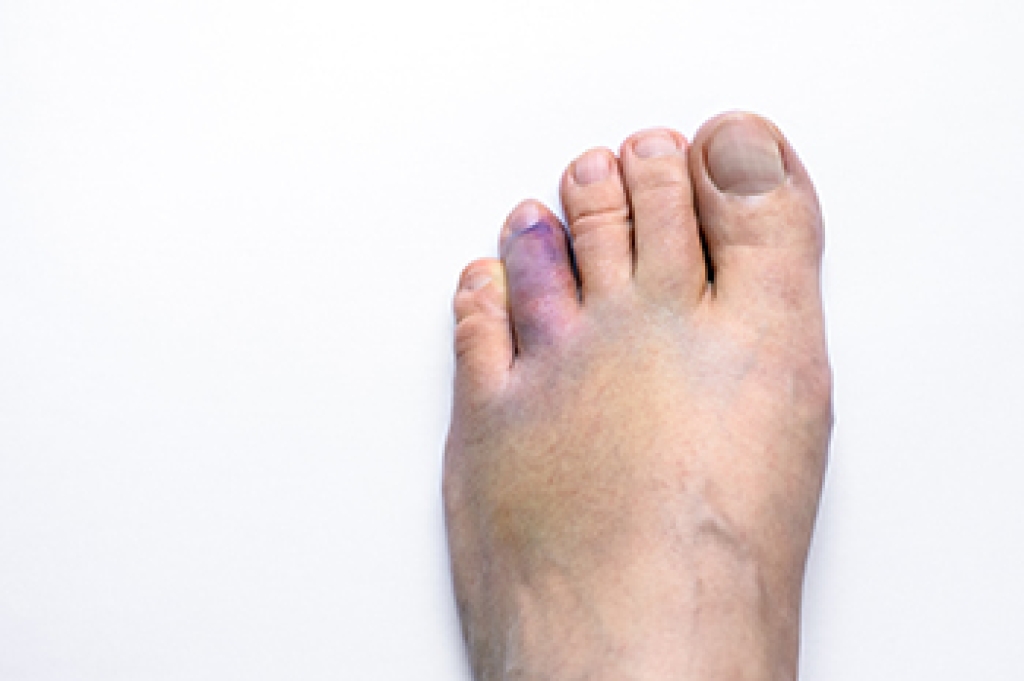
Breaking an ankle is a painful and serious injury that happens when one or more of the ankle bones, the tibia, fibula, or talus, fracture due to trauma like a fall or accident. The pain is immediate, often accompanied by swelling, bruising, and difficulty walking. In severe cases, the ankle may look deformed. Treatment depends on the severity. A simple break may heal with a cast or walking boot, while complex fractures often require surgery with plates and screws to hold the bones in place. Recovery takes weeks to months, followed by performing specific exercises to restore mobility. Leaving a broken ankle untreated can lead to long-term problems, such as instability or arthritis. If you suspect an ankle fracture, it is suggested that you consult a podiatrist for an accurate diagnosis and the right treatment to get back on your feet safely.

Broken ankles need immediate treatment. If you are seeking treatment, contact Peter Siroka, DPM from Connecticut. Our doctor can provide the care you need to keep you pain-free and on your feet. 

Broken Ankles
A broken ankle is experienced when a person fractures their tibia or fibula in the lower leg and ankle area. Both of these bones are attached at the bottom of the leg and combine to form what we know to be our ankle.

When a physician is referring to a break of the ankle, he or she is usually referring to a break in the area where the tibia and fibula are joined to create our ankle joint. Ankles are more prone to fractures because the ankle is an area that suffers a lot of pressure and stress. There are some obvious signs when a person experiences a fractured ankle, and the following symptoms may be present.

Symptoms of a Fractured Ankle

  • Excessive pain when the area is touched or when any pressure is placed on the ankle
  • Swelling around the area
  • Bruising of the area
  • Area appears to be deformed

If you suspect an ankle fracture, it is recommended to seek treatment as soon as possible. The sooner you have your podiatrist diagnose the fracture, the quicker you’ll be on the way towards recovery.

If you have any questions, please feel free to contact our office located in Stamford, CT . We offer the newest diagnostic and treatment technologies for all your foot care needs.


Read more about All About Broken Ankles

Cuboid Syndrome Facts

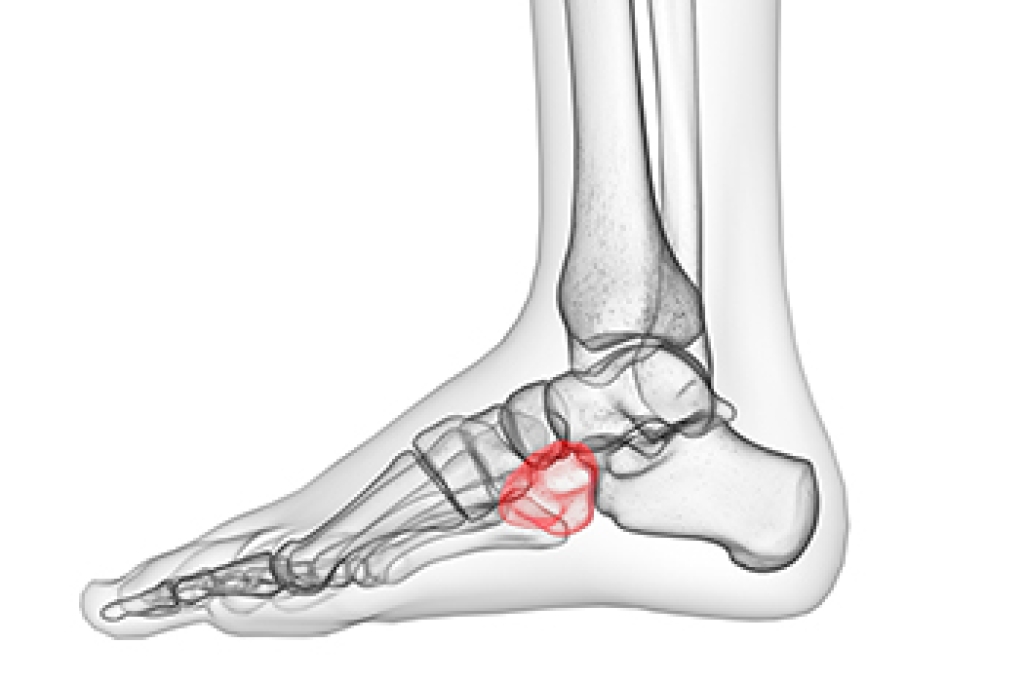
Cuboid syndrome occurs when the cuboid bone in the foot becomes misaligned or partially dislocated, leading to pain and discomfort. The cuboid bone is located on the outer side of the foot, near the midfoot region, and plays a vital role in stability and movement. This condition often results from repetitive stress, overuse, or sudden trauma such as an ankle sprain. Poor foot biomechanics, tight calf muscles, or wearing inadequate footwear can also contribute to its development. Symptoms include pain along the outer edge of the foot, difficulty walking, and swelling in the affected area. Some individuals may experience weakness or instability while bearing weight. If you have pain in this part of your foot, it is suggested that you consult a podiatrist who can offer you appropriate treatment solutions.

Cuboid syndrome, also known as cuboid subluxation, occurs when the joints and ligaments near the cuboid bone in the foot become torn. If you have cuboid syndrome, consult with Peter Siroka, DPM from Connecticut. Our doctor will assess your condition and provide you with quality foot and ankle treatment.

Cuboid syndrome is a common cause of lateral foot pain, which is pain on the outside of the foot. The condition may happen suddenly due to an ankle sprain, or it may develop slowly overtime from repetitive tension through the bone and surrounding structures.

Causes

The most common causes of cuboid syndrome include:

  • Injury – The most common cause of this ailment is an ankle sprain.
  • Repetitive Strain – Tension placed through the peroneus longus muscle from repetitive activities such as jumping and running may cause excessive traction on the bone causing it to sublux.
  • Altered Foot Biomechanics – Most people suffering from cuboid subluxation have flat feet.

Symptoms

A common symptom of cuboid syndrome is pain along the outside of the foot which can be felt in the ankle and toes. This pain may create walking difficulties and may cause those with the condition to walk with a limp.

Diagnosis

Diagnosis of cuboid syndrome is often difficult, and it is often misdiagnosed. X-rays, MRIs and CT scans often fail to properly show the cuboid subluxation. Although there isn’t a specific test used to diagnose cuboid syndrome, your podiatrist will usually check if pain is felt while pressing firmly on the cuboid bone of your foot.

Treatment

Just as the range of causes varies widely, so do treatments. Some more common treatments are ice therapy, rest, exercise, taping, and orthotics.

If you have any questions, please feel free to contact our office located in Stamford, CT . We offer the newest diagnostic and treatment technologies for all your foot care needs.

Read more about Cuboid Syndrome

Heel Pain in the Morning?

Heel pain can negatively affect your day-to-day life. Simple activities like walking can become incredibly uncomfortable or painful due to heel pain.

Don’t live with heel pain and get treated.

Athlete’s Foot is Not Limited to Athletes

Athlete’s foot is a fungal invasion that thrives in warm, sweaty conditions. Whether you are an athlete or just someone who wears the same shoes too often, this infection can sneak up on you. It often starts as dry, peeling skin between the toes, but soon, the itching, burning, and cracking begin. In severe cases, blisters or a foul odor can develop, making every step miserable. Worse, the fungus can spread to toenails or even hands, if left untreated. Avoiding athlete’s foot means keeping feet dry, changing socks regularly, and wearing breathable shoes. Mild antifungals help, but persistent cases may need prescription medication. If your feet feel like they are under attack, it is suggested that you see a podiatrist for more advanced treatment.

Athlete’s foot is an inconvenient condition that can be easily reduced with the proper treatment. If you have any concerns about your feet and ankles, contact Peter Siroka, DPM from Connecticut.  Our doctor will treat your foot and ankle needs.

Athlete’s Foot: The Sole Story

Athlete's foot, also known as tinea pedis, can be an extremely contagious foot infection. It is commonly contracted in public changing areas and bathrooms, dormitory style living quarters, around locker rooms and public swimming pools, or anywhere your feet often come into contact with other people.

Solutions to Combat Athlete’s Foot

  • Hydrate your feet by using lotion
  • Exfoliate
  • Buff off nails
  • Use of anti-fungal products
  • Examine your feet and visit your doctor if any suspicious blisters or cuts develop

Athlete’s foot can cause many irritating symptoms such as dry and flaking skin, itching, and redness. Some more severe symptoms can include bleeding and cracked skin, intense itching and burning, and even pain when walking. In the worst cases, Athlete’s foot can cause blistering as well. Speak to your podiatrist for a better understanding of the different causes of Athlete’s foot, as well as help in determining which treatment options are best for you.

If you have any questions please feel free to contact our office located in Stamford, CT . We offer the newest diagnostic and treatment technologies for all your foot and ankle needs.

Read more about Athlete's Foot

Connect With Us

scroll to top