Foot Care Tips for Athletes

Ensuring your feet are in top shape is paramount for athletes who aim to maximize their performance. Here are a few tips that can help athletes avoid injuries. When selecting workout shoes, prioritize support, stability, and cushioning. Avoid wearing ill-fitting options that may look pretty but can cause discomfort, pain, and pressure. Take the time to try different types and sizes until you find the perfect pair. Enhance protection with blister prevention spray for added comfort during workouts. Socks are more than just an accessory. Choose moisture-wicking options to keep feet clean and dry, thus preventing exposure to fungus and bacteria. To prevent foot injuries, be mindful of overexertion and listen to your body's limits. Incorporate strengthening exercises like yoga or try toe stretchers for a relaxing foot yoga session. Proactively address foot pain with gentle stretches, warm-ups, and cool-downs. Maintain foot hygiene by washing and drying your feet daily, using cleansing towelettes, and spritzing with odor elimination spray pre- and post-workout. If you are experiencing foot or ankle problems related to sports or exercise, it is suggested that you schedule an appointment with a podiatrist.

All runners should take extra precaution when trying to avoid injury. If you have any concerns about your feet, contact Peter Siroka, DPM of Connecticut. Our doctor will treat your foot and ankle needs.

How to Prevent Running Injuries

There are a lot of mistakes a runner can make prior to a workout that can induce injury. A lot of athletes tend to overstretch before running, instead of saving those workouts for a post-run routine. Deep lunges and hand-to-toe hamstring pulls should be performed after a workout instead of during a warmup. Another common mistake is jumping into an intense routine before your body is physically prepared for it. You should try to ease your way into long-distance running instead of forcing yourself to rush into it.

More Tips for Preventing Injury

  • Incorporate Strength Training into Workouts - This will help improve the body’s overall athleticism
  • Improve and Maintain Your Flexibility – Stretching everyday will help improve overall performance
  • “Warm Up” Before Running and “Cool Down” Afterward – A warm up of 5-10 minutes helps get rid of lactic acid in the muscles and prevents delayed muscle soreness
  • Cross-Training is Crucial
  • Wear Proper Running Shoes
  • Have a Formal Gait Analysis – Poor biomechanics can easily cause injury

If you have any questions, please feel free to contact our office located in Stamford, CT . We offer the newest diagnostic and treatment technologies for all your foot care needs.
Read more about Preventing Running Injuries

Foot Stretching May Help to Maintain Flexibility

Cultivating flexibility in the feet is a fundamental, yet often overlooked, aspect of maintaining overall foot health and preventing injuries. Stretching the feet not only enhances their range of motion but also helps in strengthening the muscles and tendons, thereby reducing the risk of injuries. Incorporating regular foot stretches into one's routine can contribute to improved flexibility, aiding the foot's adaptability to various movements. Flexible feet are better equipped to absorb shock and distribute pressure evenly during activities, mitigating the strain on joints and reducing the likelihood of injuries, such as sprains or stress fractures. Stretching exercises also promote better circulation and alleviate muscle tightness, fostering a more resilient foundation for the entire body. For information on foot stretches and how to perform them, it is suggested that you confer with a podiatrist.

Stretching the feet is a great way to prevent injuries. If you have any concerns with your feet consult with Peter Siroka, DPM from Connecticut. Our doctor will assess your condition and provide you with quality foot and ankle treatment.

Stretching the Feet

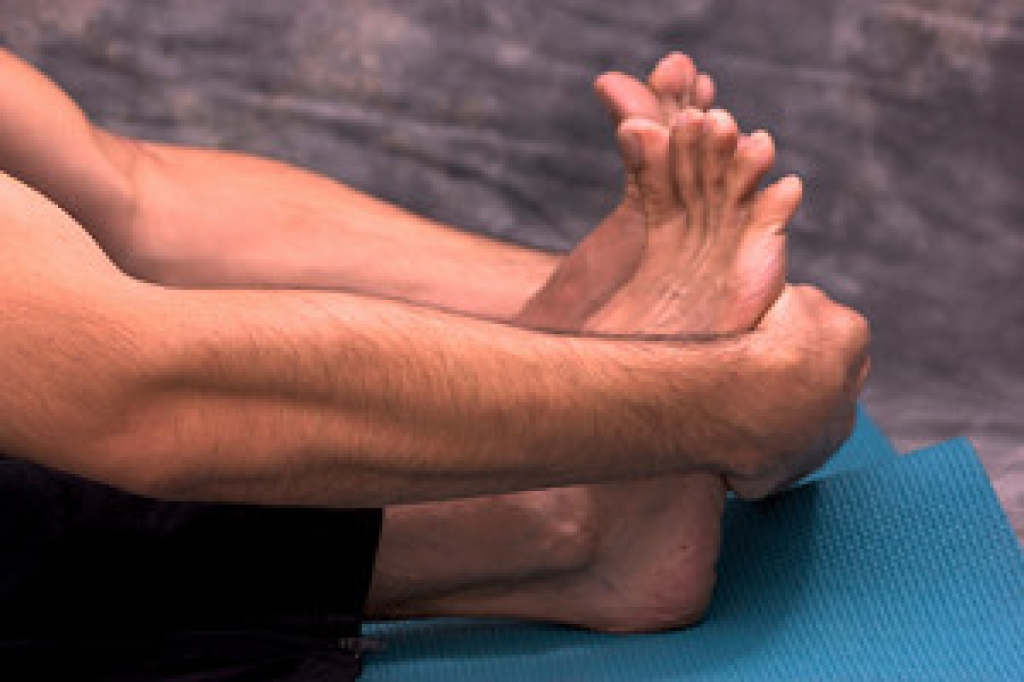
Stretching the muscles in the foot is an important part in any physical activity. Feet that are tight can lead to less flexibility and make you more prone to injury. One of the most common forms of foot pain, plantar fasciitis, can be stretched out to help ease the pain. Stretching can not only ease pain from plantar fasciitis but also prevent it as well. However, it is important to see a podiatrist first if stretching is right for you. Podiatrists can also recommend other ways to stretch your feet. Once you know whether stretching is right for you, here are some excellent stretches you can do.

  • Using a foam roller or any cylindrical object (a water bottle or soda can will do), roll the object under your foot back and forth. You should also exert pressure on the object. Be sure to do this to both feet for a minute. Do this exercise three times each.
  • Similar to the previous one, take a ball, such as a tennis ball, and roll it under your foot while seated and exert pressure on it.
  • Grab a resistance band or towel and take a seat. If you are using a towel, fold it length wise. Next put either one between the ball of your foot and heel and pull with both hands on each side towards you. Hold this for 15 seconds and then switch feet. Do this three times for each foot.
  • Finally hold your big toe while crossing one leg over the other. Pull the toe towards you and hold for 15 seconds. Once again do this three times per foot.

It is best to go easy when first stretching your foot and work your way up. If your foot starts hurting, stop exercising and ice and rest the foot. It is advised to then see a podiatrist for help.

If you have any questions please contact our office located in Stamford, CT . We offer the newest diagnostic and treatment technologies for all your foot and ankle needs.

Read more about Stretching Your Feet

Diverse Causes of Foot Pain

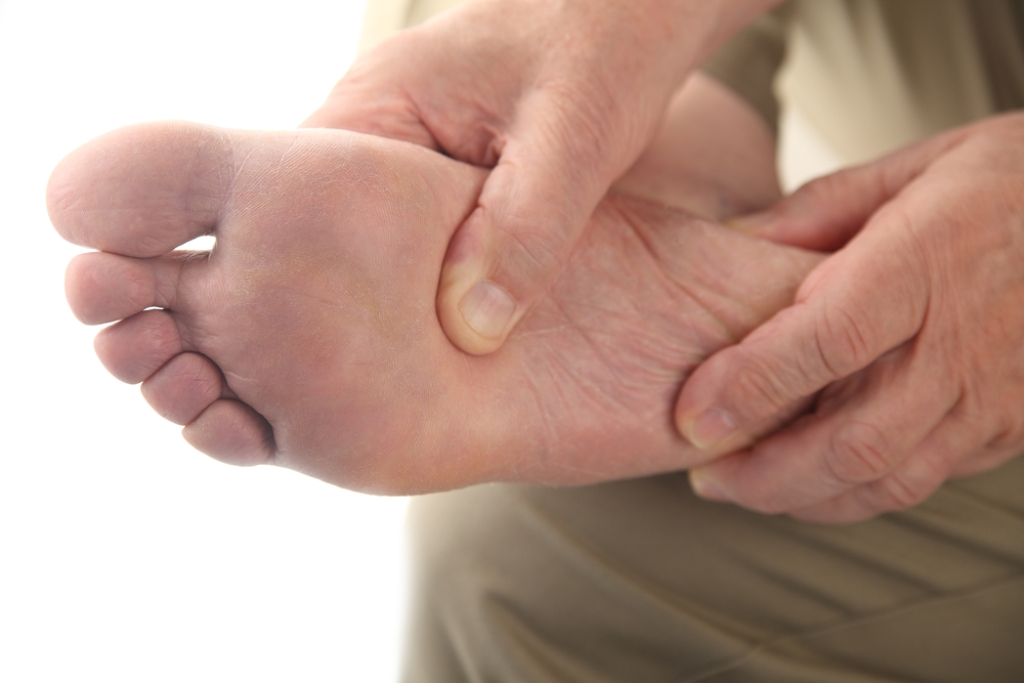
Foot pain, a discomfort affecting individuals across various walks of life, can trace its roots to a multitude of causes. One common culprit is improper footwear, where shoes lacking proper support or fit can lead to a range of issues. Among them are corns and calluses as well as more severe conditions like plantar fasciitis. Strain and overuse, often associated with prolonged standing or engaging in high-impact activities, can contribute to fatigue and discomfort. Structural anomalies, including flat feet or high arches, may alter foot mechanics and induce pain. Injuries such as sprains, fractures, or ligament tears also play a role, necessitating attention and care. Additionally, arthritis and inflammatory conditions, along with systemic health issues like diabetes, may manifest in foot pain. If you are experiencing any type of foot pain, it is suggested that you visit a podiatrist who can pinpoint the cause and offer appropriate treatment options.

Foot Pain

Foot pain can be extremely painful and debilitating. If you have a foot pain, consult with Peter Siroka, DPM from Connecticut. Our doctor will assess your condition and provide you with quality foot and ankle treatment.

Causes

Foot pain is a very broad condition that could be caused by one or more ailments. The most common include:

  • Bunions
  • Hammertoes
  • Plantar Fasciitis
  • Bone Spurs
  • Corns
  • Tarsal Tunnel Syndrome
  • Ingrown Toenails
  • Arthritis (such as Gout, Rheumatoid, and Osteoarthritis)
  • Flat Feet
  • Injury (from stress fractures, broken toe, foot, ankle, Achilles tendon ruptures, and sprains)
  • And more

Diagnosis

To figure out the cause of foot pain, podiatrists utilize several different methods. This can range from simple visual inspections and sensation tests to X-rays and MRI scans. Prior medical history, family medical history, and any recent physical traumatic events will all be taken into consideration for a proper diagnosis.

Treatment

Treatment depends upon the cause of the foot pain. Whether it is resting, staying off the foot, or having surgery; podiatrists have a number of treatment options available for foot pain.

If you have any questions, please feel free to contact our office located in Stamford, CT . We offer the newest diagnostic and treatment technologies for all your foot care needs.

Read more about Foot Pain

How Corns Form from Wearing Ill-Fitting Shoes

Corns, those pesky patches of thickened skin, often find their origins in the shoes we choose to wear. When footwear lacks proper fit or causes excessive friction and pressure on specific areas of the feet, corns can emerge as the body's response to this repetitive irritation. Wearing ill-fitting shoes, particularly those that squeeze the toes or feature high heels, can lead to the formation of corns as the skin attempts to protect itself from the persistent rubbing and pressure. These hardened areas of skin, often found on the toes or sides of the feet, can become painful over time. Choosing shoes with adequate space for toes, proper arch support, and a comfortable fit is essential in preventing corns. By understanding the relationship between shoe selection and corn formation, individuals can prioritize both style and foot health, ensuring a comfortable and corn-free walking experience. If you have developed a corn, it is suggested that you seek the counsel of a podiatrist who can effectively treat this condition, and offer you preventive methods for the future.

If you have any concerns regarding your feet and ankles, contact Peter Siroka, DPM of Connecticut. Our doctor will treat your foot and ankle needs.

Corns: What Are They? and How Do You Get Rid of Them?
Corns can be described as areas of the skin that have thickened to the point of becoming painful or irritating. They are often layers and layers of the skin that have become dry and rough, and are normally smaller than calluses.

Ways to Prevent Corns
There are many ways to get rid of painful corns such as wearing:

  • Well-fitting socks
  • Comfortable shoes that are not tight around your foot
  • Shoes that offer support

Treating Corns
Treatment of corns involves removing the dead skin that has built up in the specific area of the foot. Consult with Our doctor to determine the best treatment option for your case of corns.

If you have any questions, please feel free to contact our office located in Stamford, CT . We offer the newest diagnostic and treatment technologies for all your foot care needs.

Read more about Understanding Corns and Calluses

Let Us Treat Your Feet This Winter

Take extra care when walking on snow and ice. If you experience a fall and sustain an injury, we're here to help. We treat trauma, soft tissue injuries, and fractures.

Foot Injuries From Playing Basketball

Basketball is a popular sport known for its fast paced and intense nature. However, the constant running, jumping, pivoting, and sudden stops can put a lot of strain on the lower body, leading to common foot injuries. Three of the most frequent basketball foot injuries are ankle sprains, fractures, and plantar fasciitis. Basketball players often suffer from ankle sprains, which can happen when they land awkwardly or make sudden changes in direction. These sprains can also occur when they step on another player's foot, causing the supporting ligaments to stretch too far. The repetitive impact from jumping and running on hard surfaces can lead to fractures in the foot. Stress fractures can develop gradually due to overuse, while more severe fractures are typically caused by sudden impacts. Players with poor foot structure, such as flat feet, may develop plantar fasciitis, resulting in heel pain. If you play basketball and have sustained a foot or ankle injury, it is suggested that you schedule an appointment with a podiatrist for a proper diagnosis and treatment.

Ankle and foot injuries are common among athletes and in many sports. They can be caused by several problems and may be potentially serious. If you are feeling pain or think you were injured in a sporting event or when exercising, consult with Peter Siroka, DPM from Connecticut. Our doctor will assess your condition and provide you with quality foot and ankle treatment.

Common Injuries

The most common injuries that occur in sporting activities include:

  • Achilles Tendonitis
  • Achilles Tendon Rupture
  • Ankle Sprains
  • Broken Foot
  • Plantar Fasciitis
  • Stress Fractures
  • Turf Toe

Symptoms

Symptoms vary depending upon the injury and in some cases, there may be no symptoms at all. However, in most cases, some form of symptom is experienced. Pain, aching, burning, bruising, tenderness, tightness or stiffness, sensation loss, difficulty moving, and swelling are the most common symptoms.

Treatment

Just as symptoms vary depending upon the injury, so do treatment options. A common treatment method is known as the RICE method. This method involves rest, applying ice, compression and elevating the afflicted foot or ankle. If the injury appears to be more serious, surgery might be required, such as arthroscopic or reconstructive surgery. Lastly, rehabilitation or therapy might be needed to gain full functionality in the afflicted area. Any discomfort experienced by an athlete must be evaluated by a licensed, reputable medical professional.  

If you have any questions please contact our office located in Stamford, CT . We offer the newest diagnostic and treatment technologies for all your foot and ankle needs.

Read more about Sports Related Foot and Ankle Injuries

Early Indicators of Foot Problems in Diabetic Patients

People with diabetes are at a higher risk of developing serious foot problems, which can ultimately lead to amputation if not addressed promptly. This is especially true if they are considered to have a high risk of foot issues. Monitoring your feet daily is crucial if you fall into this category. It is essential to be aware of signs such as tingling, pain, shiny skin, and loss of feeling. Additional symptoms can include swelling, lack of sweat, slow healing wounds, and blisters or cuts that you cannot feel. If you have diabetes and notice signs of foot problems, it is strongly suggested that you make an appointment with a podiatrist who will assess your risk level, create a personalized care plan, and provide appropriate treatment for existing foot conditions.

Diabetic foot care is important in preventing foot ailments such as ulcers. If you are suffering from diabetes or have any other concerns about your feet, contact Peter Siroka, DPM from Connecticut. Our doctor can provide the care you need to keep you pain-free and on your feet.

Diabetic Foot Care

Diabetes affects millions of people every year. The condition can damage blood vessels in many parts of the body, especially the feet. Because of this, taking care of your feet is essential if you have diabetes, and having a podiatrist help monitor your foot health is highly recommended.

The Importance of Caring for Your Feet

  • Routinely inspect your feet for bruises or sores.
  • Wear socks that fit your feet comfortably.
  • Wear comfortable shoes that provide adequate support.

Patients with diabetes should have their doctor monitor their blood levels, as blood sugar levels play such a huge role in diabetic care. Monitoring these levels on a regular basis is highly advised.

It is always best to inform your healthcare professional of any concerns you may have regarding your feet, especially for diabetic patients. Early treatment and routine foot examinations are keys to maintaining proper health, especially because severe complications can arise if proper treatment is not applied.

If you have any questions, please feel free to contact our office located in Stamford, CT . We offer the newest diagnostic and treatment technologies for all your foot care needs.

Read more about Diabetic Foot Care

Vital Insights About Ankle Sprains

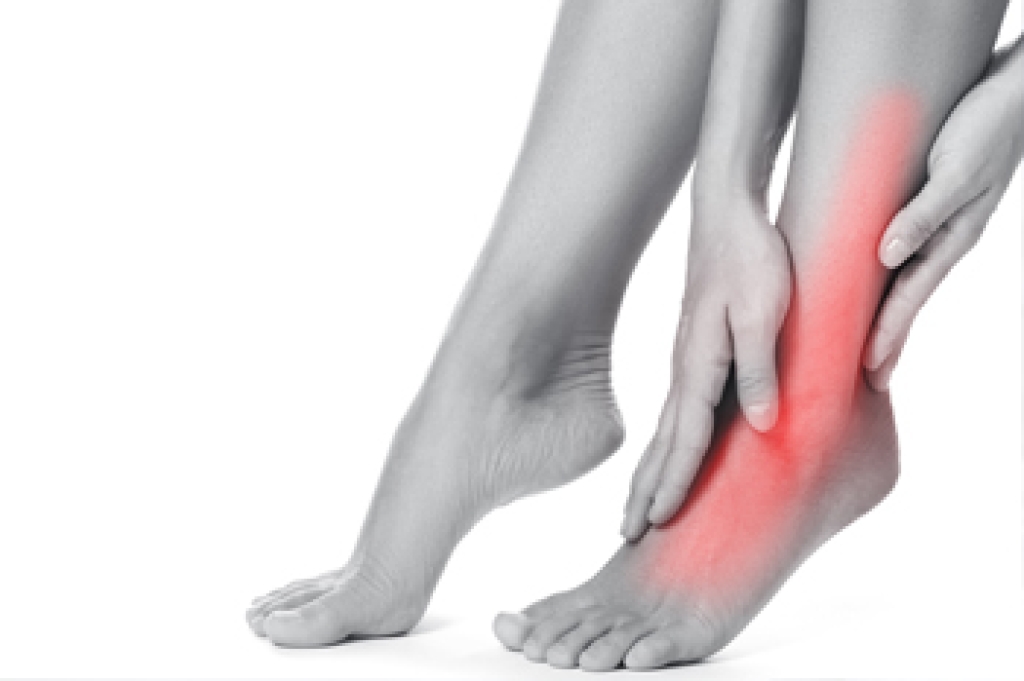
Ankle sprains, though common, are often underestimated in their impact on our daily lives. Understanding these injuries is pivotal for everyone, from athletes to the average person navigating routine activities. Ankle sprains occur when the ligaments supporting the ankle stretch beyond their limits, often due to a sudden twist or turn. The severity varies, with mild sprains causing discomfort and swelling, while more severe cases may lead to instability and difficulty walking. Recognizing the signs, including pain, swelling, and bruising, is essential for prompt intervention. Ignoring ankle sprains or not providing adequate care can lead to long-term complications, such as chronic instability or arthritis. If you have endured an ankle sprain, it is suggested that you visit a podiatrist who can properly diagnose and effectively treat this condition.

Although ankle sprains are common, they aren’t always minor injuries. If you need your ankle injury looked at, contact Peter Siroka, DPM from Connecticut. Our doctor can provide the care you need to keep you pain-free and on your feet.

How Does an Ankle Sprain Occur?

Ankle sprains are the result of a tear in the ligaments within the ankle. These injuries may happen when you make a rapid shifting movement while your foot is planted. A less common way to sprain your ankle is when your ankle rolls inward while your foot turns outward.

What Are the Symptoms?

  • Pain at the sight of the tear
  • Bruising/Swelling
  • Ankle area is tender to touch
  • In severe cases, may hear/feel something tear
  • Skin discoloration

Preventing a Sprain

  • Wearing appropriate shoes for the occasion
  • Stretching before exercises and sports
  • Knowing your limits

Treatment of a Sprain

In many cases, the RICE method (Rest, Ice, Compression, and Elevate) is used to treat ankle sprains. However, you should see a podiatrist to see which treatment option would work best with your injury. In severe cases, surgery may be required.

It is important to ask your doctor about rehab options after you receive treatment for your injury. Stretching, strength training, and balance exercises may help the ankle heal while also preventing further injury.

If you have any questions, please feel free to contact our office located in Stamford, CT . We offer the newest diagnostic and treatment technologies for all your foot care needs.
Read more about Ankle Sprains

The Seriousness of Cracked Heels

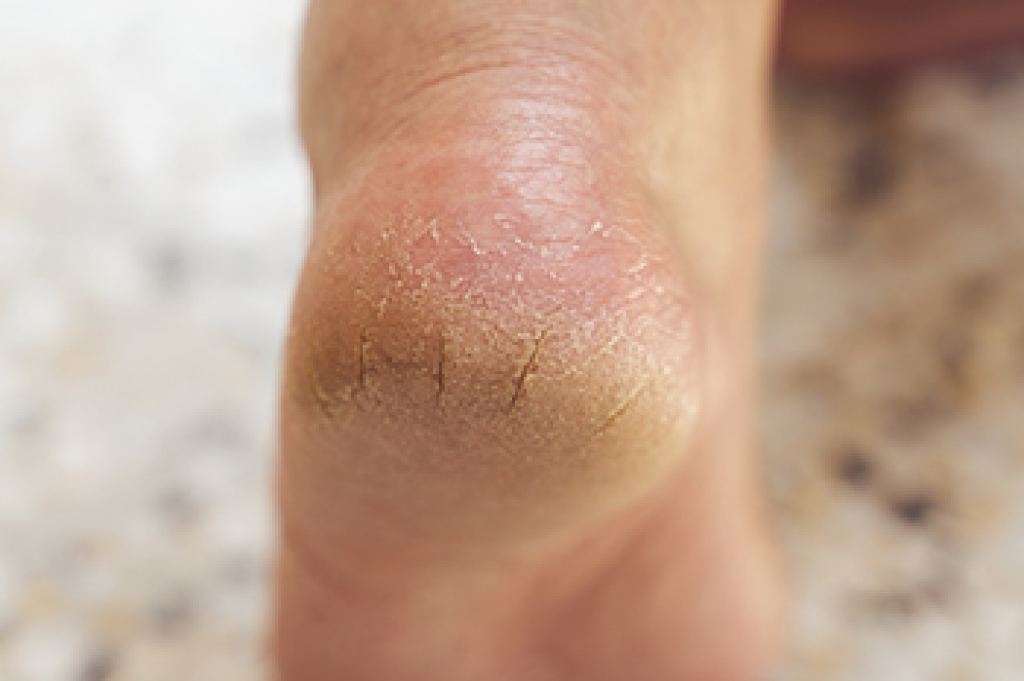
Cracked heels, medically known as heel fissures, are more than just a cosmetic issue, they can be quite serious. These splits in the skin surrounding the heel can become deep and cause pain, especially while standing or walking. For some individuals, the cracks are superficial, but for others, they can lead to bleeding and infections, particularly in those with compromised immune systems. In addition, people who have conditions such as diabetes can impair healing, possibly increasing the risk of foot complications. The skin around the heels is often subjected to pressure and weight-bearing, and if it is not supple due to dryness or thickened due to calluses, it is prone to cracking. Factors contributing to this can include walking barefoot or wearing open-backed shoes, prolonged standing, obesity, and certain skin conditions. In severe cases, dead skin may need to be removed by a podiatrist and medication prescribed. If you have cracked heels that are not healing or are worsening, it is suggested that you make an appointment with this type of medical professional for prompt treatment.

Cracked heels are unsightly and can cause further damage to your shoes and feet. If you have any concerns, contact Peter Siroka, DPM from Connecticut. Our doctor can provide the care you need to keep you pain-free and on your feet.

Cracked Heels

Cracked heels appear unappealing and can make it harder for you walk around in sandals. Aside from looking unpleasant, cracked heels can also tear stockings, socks, and wear out your shoes. There are several methods to help restore a cracked heel and prevent further damage.

How Do You Get Them?

Dry skin is the number one culprit in creating cracked heels. Many athletes, walkers, joggers, and even swimmers suffer from cracked heels. Age and skin oil production play a role to getting cracked heels as well.

Promote Healing

Over the counter medicines can help, especially for those that need instant relief or who suffer from chronic dry feet.

Wear Socks – Wearing socks with medicated creams helps lock in moisture.

Moisturizers – Applying both day and night will help alleviate dryness which causes cracking.

Pumice Stones – These exfoliate and remove dead skin, which allows for smoother moisturizer application and better absorption into the skin. 

Change in Diet

Eating healthy with a well-balanced diet will give the skin a fresh and radiant look. Your body responds to the kinds of food you ingest. Omega-3 fatty acids and zinc supplements can also revitalize skin tissue.

Most importantly, seek professional help if unsure how to proceed in treating cracked heels. A podiatrist will help you with any questions or information needed. 

If you have any questions, please feel free to contact our office located in Stamford, CT . We offer the newest diagnostic and treatment technologies for all your foot care needs.

Read more about Solutions for Cracked Heels

Wounds That Don't Heal Need to Be Checked

Your feet are covered most of the day. If you're diabetic, periodic screening is important for good health. Numbness is often a sign of diabetic foot and can mask a sore or wound.

Connect With Us

scroll to top