Why Patient Preference Matters in Foot Wound Care

Foot wounds often require specialized attention, but clinical expertise alone is not always enough. The choices patients make about their care matter. From the type of dressings used to how often visits are scheduled, each decision can affect comfort, confidence, and healing. When patients are involved in the planning of their treatment, they are more likely to follow through with care and speak up about concerns. This creates a stronger partnership with the provider and often leads to better outcomes. Respecting personal routines, cultural beliefs, and lifestyle needs helps tailor care that fits into daily life rather than disrupting it. Listening to patient preferences is not just courteous. It is a critical step in treating wounds that are often slow to heal. To create a care plan that truly works, it is suggested that you schedule a visit with a podiatrist who understands the importance of patient input at every stage.

Wound care is an important part in dealing with diabetes. If you have diabetes and a foot wound or would like more information about wound care for diabetics, consult with Peter Siroka, DPM from Connecticut. Our doctor will assess your condition and provide you with quality foot and ankle treatment.

What Is Wound Care?

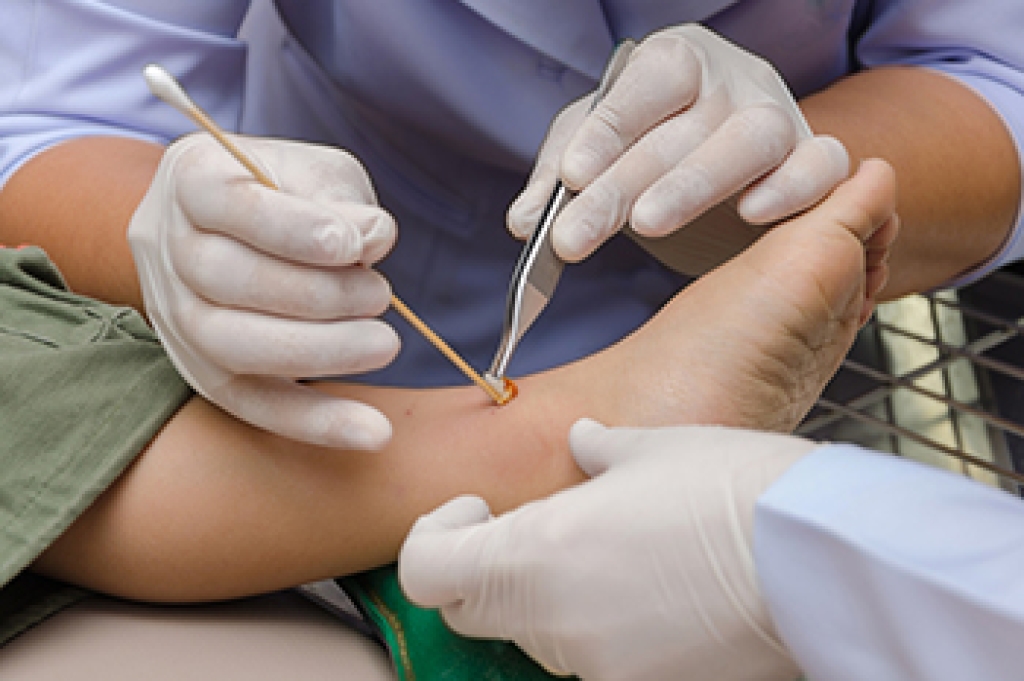
Wound care is the practice of taking proper care of a wound. This can range from the smallest to the largest of wounds. While everyone can benefit from proper wound care, it is much more important for diabetics. Diabetics often suffer from poor blood circulation which causes wounds to heal much slower than they would in a non-diabetic. 

What Is the Importance of Wound Care?

While it may not seem apparent with small ulcers on the foot, for diabetics, any size ulcer can become infected. Diabetics often also suffer from neuropathy, or nerve loss. This means they might not even feel when they have an ulcer on their foot. If the wound becomes severely infected, amputation may be necessary. Therefore, it is of the upmost importance to properly care for any and all foot wounds.

How to Care for Wounds

The best way to care for foot wounds is to prevent them. For diabetics, this means daily inspections of the feet for any signs of abnormalities or ulcers. It is also recommended to see a podiatrist several times a year for a foot inspection. If you do have an ulcer, run the wound under water to clear dirt from the wound; then apply antibiotic ointment to the wound and cover with a bandage. Bandages should be changed daily and keeping pressure off the wound is smart. It is advised to see a podiatrist, who can keep an eye on it.

If you have any questions please contact our office located in Stamford, CT . We offer the newest diagnostic and treatment technologies for all your foot and ankle needs.

Read more about Wound Care

Categories of Ingrown Toenails

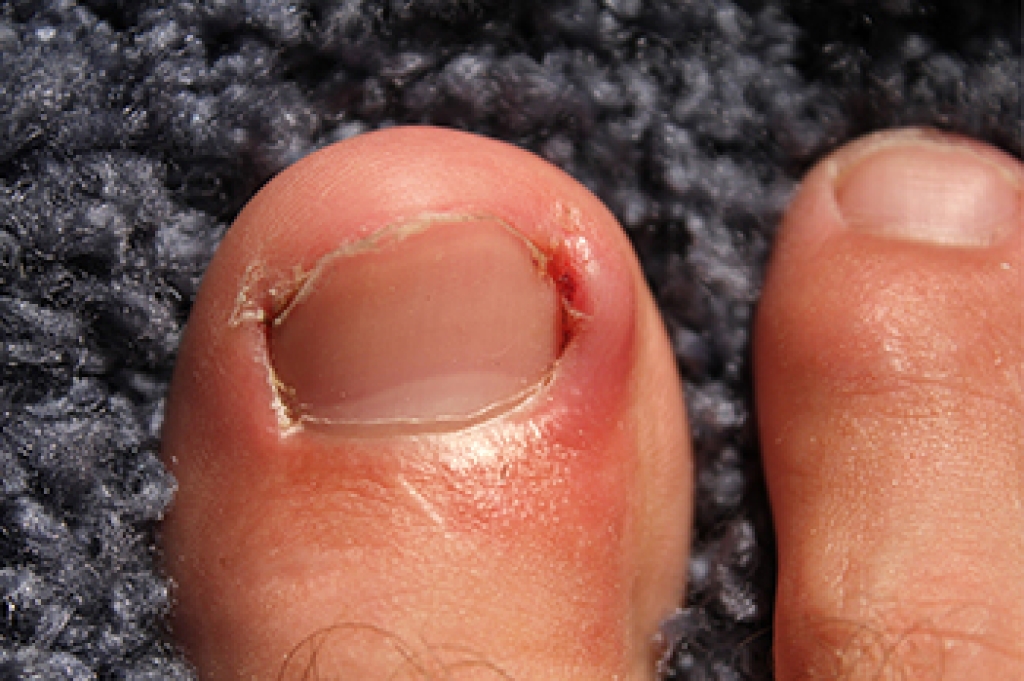
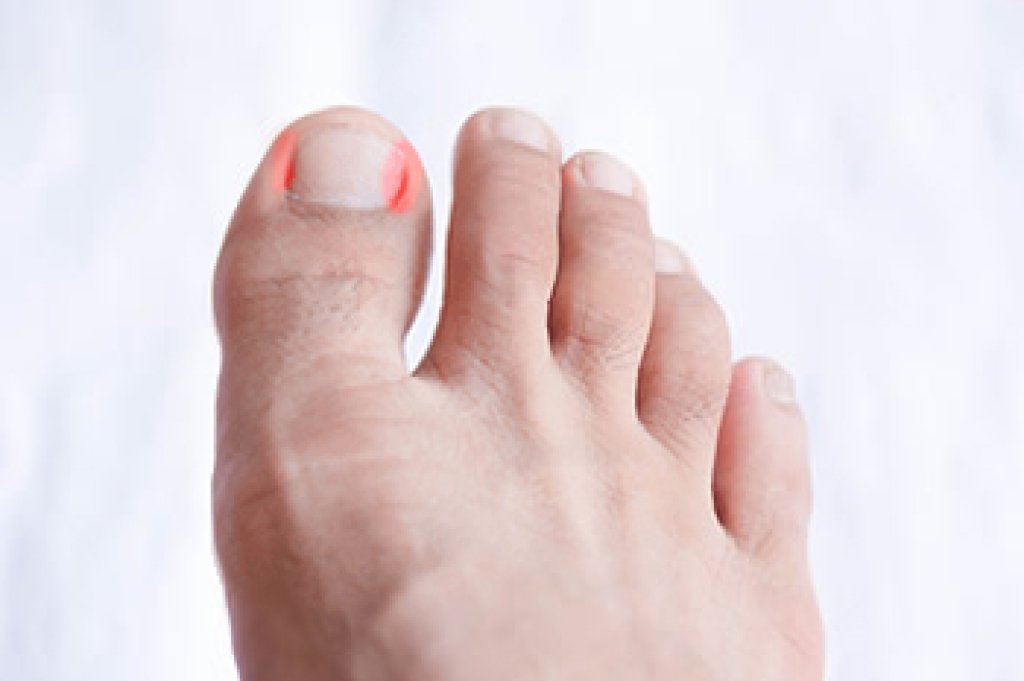
Ingrown toenails are typically classified based on severity and depth of nail penetration into the surrounding skin. A mild ingrown toenail involves redness, swelling, and slight tenderness where the nail edge presses against the skin. A moderate ingrown toenail may cause increased pain, drainage, and signs of infection as the nail begins to pierce the skin. A severe ingrown toenail often includes significant inflammation, pus, overgrowth of tissue, and difficulty walking due to intense discomfort. Chronic cases may result in repeated infections or thickened skin. Each stage may require a different approach to care, from at-home soaking and nail trimming to professional treatment such as partial nail removal. If you are experiencing persistent or painful symptoms, it is suggested that you see a podiatrist for a diagnosis and treatment to prevent further complications and restore comfort.

Ingrown toenails can become painful if they are not treated properly. For more information about ingrown toenails, contact Peter Siroka, DPM of Connecticut. Our doctor can provide the care you need to keep you pain-free and on your feet.

Ingrown Toenails

Ingrown toenails occur when a toenail grows sideways into the bed of the nail, causing pain, swelling, and possibly infection.

Causes

  • Bacterial infections
  • Improper nail cutting such as cutting it too short or not straight across
  • Trauma to the toe, such as stubbing, which causes the nail to grow back irregularly
  • Ill-fitting shoes that bunch the toes too close together
  • Genetic predisposition

Prevention

Because ingrown toenails are not something found outside of shoe-wearing cultures, going barefoot as often as possible will decrease the likeliness of developing ingrown toenails. Wearing proper fitting shoes and using proper cutting techniques will also help decrease your risk of developing ingrown toenails.

Treatment

Ingrown toenails are a very treatable foot condition. In minor cases, soaking the affected area in salt or antibacterial soaps will not only help with the ingrown nail itself, but also help prevent any infections from occurring. In more severe cases, surgery is an option. In either case, speaking to your podiatrist about this condition will help you get a better understanding of specific treatment options that are right for you.

If you have any questions, please feel free to contact our office located in Stamford, CT . We offer the newest diagnostic and treatment technologies for all your foot care needs.

Read more about Ingrown Toenails

Get Professional Care for a Broken Foot or Ankle

Constant care and regular evaluation are important for a foot or ankle fracture. If left untreated, foot or ankle fractures can worsen over time and create more serious problems.

Don't wait to be examined if you believe you've experienced a foot or ankle fracture.

Managing Heel Pad Syndrome

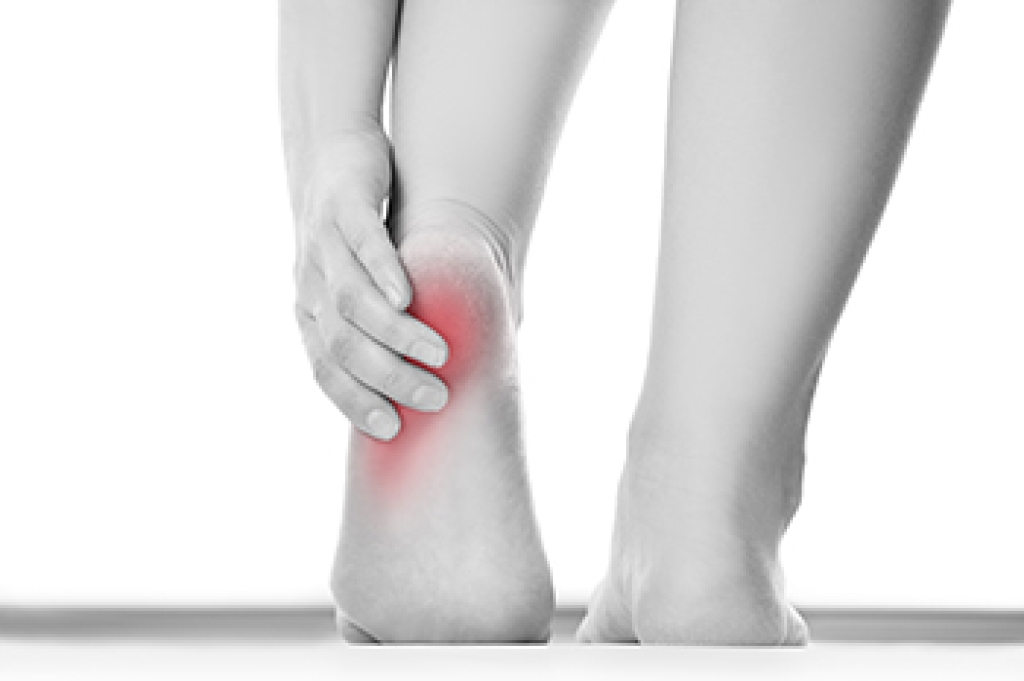
Heel pad syndrome, also known as fat pad atrophy, occurs when the thick layer of fatty tissue beneath the heel thins out, reducing its ability to absorb shock. This can lead to deep, aching heel pain that worsens with prolonged standing or walking. Common causes of heel pad syndrome include age-related degeneration, obesity, repetitive impact activities, wearing improper footwear, and prior heel injuries. People who walk barefoot on hard surfaces may place additional stress on the heel, increasing the risk of pain. A podiatrist can evaluate  heel pad function and recommend appropriate treatment to relieve pressure on the heel. Supportive orthotics and well-cushioned footwear can help reduce discomfort during daily activities. In addition, specific exercises, such as calf stretches, heel raises, and ankle range-of-motion movements, are often used to improve foot control and reduce stress on the heel.  If you are suffering from heel pain, it is suggested that you schedule an appointment with a podiatrist for an exam, diagnosis, and proper treatment.

Many people suffer from bouts of heel pain. For more information, contact Peter Siroka, DPM of Connecticut. Our doctor can provide the care you need to keep you pain-free and on your feet.

Causes of Heel Pain

Heel pain is often associated with plantar fasciitis. The plantar fascia is a band of tissues that extends along the bottom of the foot. A rip or tear in this ligament can cause inflammation of the tissue.

Achilles tendonitis is another cause of heel pain. Inflammation of the Achilles tendon will cause pain from fractures and muscle tearing. Lack of flexibility is also another symptom.

Heel spurs are another cause of pain. When the tissues of the plantar fascia undergo a great deal of stress, it can lead to ligament separation from the heel bone, causing heel spurs.

Why Might Heel Pain Occur?

  • Wearing ill-fitting shoes                
  • Wearing non-supportive shoes
  • Weight change           
  • Excessive running

Treatments

Heel pain should be treated as soon as possible for immediate results. Keeping your feet in a stress-free environment will help. If you suffer from Achilles tendonitis or plantar fasciitis, applying ice will reduce the swelling. Stretching before an exercise like running will help the muscles. Using all these tips will help make heel pain a condition of the past.

If you have any questions, please feel free to contact our office located in Stamford, CT . We offer the newest diagnostic and treatment technologies for all your foot care needs.

Read more about Heel Pain

What to Look for in Choosing the Right Running Shoes

Selecting the right running shoes is essential for comfort, performance, and injury prevention. Traditional running shoes are designed for roads and tracks, while trail running shoes offer grip and protection on uneven terrain. Shoe selection should be based on gait and arch type. Neutral running shoes work well for those with a balanced gait, while stability shoes support mild overpronation. Motion control shoes are best for significant overpronation. Carbon plated shoes are designed for speed and efficiency in advanced runners. A podiatrist can assess foot structure and gait mechanics to guide proper shoe choice. If you are unsure which running shoes are right for you, it is suggested that you consult a podiatrist for expert advice and personalized recommendations.

If you are a runner, wearing the right running shoe is essential. For more information, contact Peter Siroka, DPM from Connecticut. Our doctor can provide the care you need to keep you pain-free and on your feet.

Choosing the Right Running Shoe for Your Foot Type

To increase performance and avoid the risk of injury, it is important to choose the right running shoe based on your foot type. The general design of running shoes revolves around pronation, which is how the ankle rolls from outside to inside when the foot strikes the ground.

  • Neutral runners are able to choose from a wide variety of shoes, including minimalist shoes or even going barefoot.
  • Runners who overpronate, or experience an over-abundance of ankle rolling, should choose shoes that provide extra motion control and stability.
  • Runners who underpronate, or supinate, have feet that have high arches and lack flexibility, preventing shock absorption. They require shoes with more flexibility and cushion.

If you have any questions, please feel free to contact our office located in Stamford, CT . We offer the newest diagnostic and treatment technologies for all your foot care needs.

Read more about Differences between Walking and Running Shoes

Symptoms and Causes of Rheumatoid Arthritis in the Feet

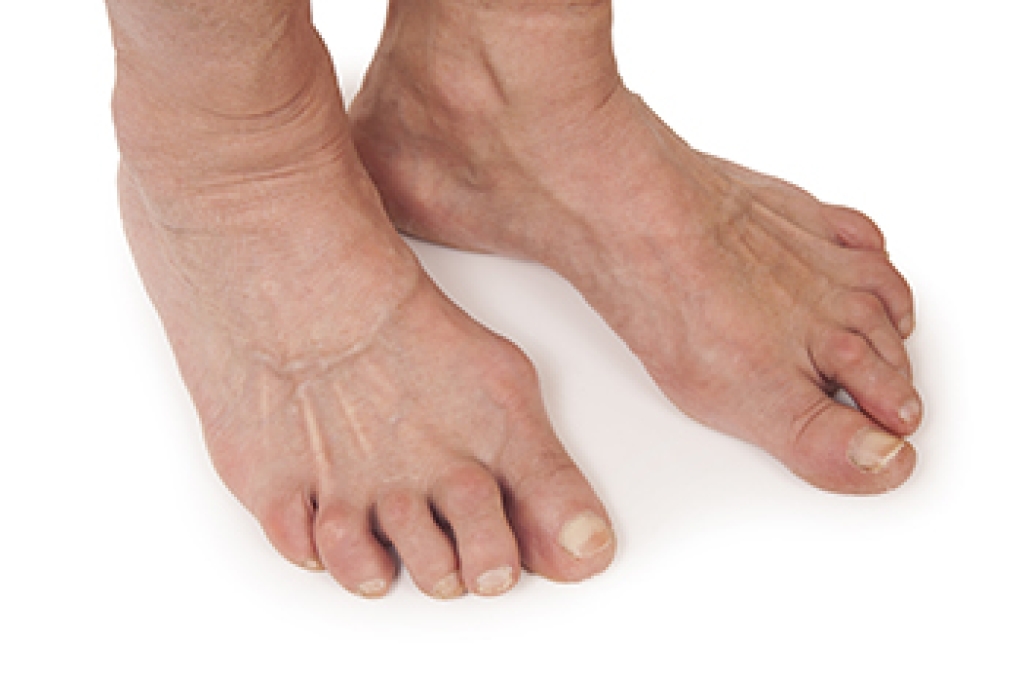
Rheumatoid arthritis, or RA, is an autoimmune condition that often affects the joints in the feet, leading to pain and inflammation. In the feet, symptoms may include swelling, stiffness, and tenderness, particularly in the toes and the balls of the feet. Some individuals may notice warmth or redness around the joints, along with difficulty walking or wearing shoes comfortably. As the condition progresses, joint deformities and reduced mobility may develop. The exact cause of rheumatoid arthritis is not fully understood, but it involves the immune system mistakenly attacking the lining of the joints. Genetic factors, environmental triggers, and hormonal changes may all play a role. Early diagnosis and proper management are important to help reduce pain, preserve joint function, and maintain quality of life for individuals affected by this chronic condition. If you have symptoms of RA and your feet are affected, it is suggested that you are under the care of a podiatrist who can help you to manage this condition.

Because RA affects more than just your joints, including the joints in your feet and ankles, it is important to seek early diagnosis from your podiatrist if you feel like the pain in your feet might be caused by RA. For more information, contact Peter Siroka, DPM of Connecticut. Our doctor will assist you with all of your podiatric concerns.

What Is Rheumatoid Arthritis?

Rheumatoid Arthritis (RA) is an autoimmune disorder in which the body’s own immune system attacks the membranes surrounding the joints. Inflammation of the lining and eventually the destruction of the joint’s cartilage and bone occur, causing severe pain and immobility.

Rheumatoid Arthritis of the Feet

Although RA usually attacks multiple bones and joints throughout the entire body, almost 90 percent of cases result in pain in the foot or ankle area.

Symptoms

  • Swelling and pain in the feet
  • Stiffness in the feet
  • Pain on the ball or sole of feet
  • Joint shift and deformation

Diagnosis

Quick diagnosis of RA in the feet is important so that the podiatrist can treat the area effectively. Your doctor will ask you about your medical history, occupation, and lifestyle to determine the origin of the condition. Rheumatoid Factor tests help to determine if someone is affected by the disease.

If you have any questions, please feel free to contact our office located in Stamford, CT . We offer the newest diagnostic and treatment technologies for all your foot care needs.

Read more about Rheumatoid Arthritis in the Feet

Preventing Ankle Sprains During Athletic Training

Ankle sprains are one of the most common injuries in sports, often caused by quick movements, uneven surfaces or improper landings. Athletes can reduce their risk by building ankle strength and improving balance through simple exercises. A proper warm-up before training and a cool-down after help prepare the muscles and reduce stiffness. Supportive footwear that fits well and suits the activity provides important protection. Bracing or taping may also help if the ankle is weak or has been injured before. Training on stable ground and avoiding sudden changes in intensity lowers the chance of twisting or rolling the ankle. Resting at the first sign of discomfort can stop a small issue from becoming a serious injury. If your ankle swells, bruises, or feels unstable, it is suggested you see a podiatrist for a diagnosis and appropriate treatment.

Sports related foot and ankle injuries require proper treatment before players can go back to their regular routines. For more information, contact Peter Siroka, DPM of Connecticut. Our doctor can provide the care you need to keep you pain-free and on your feet.

Sports Related Foot and Ankle Injuries

Foot and ankle injuries are a common occurrence when it comes to athletes of any sport. While many athletes dismiss the initial aches and pains, the truth is that ignoring potential foot and ankle injuries can lead to serious problems. As athletes continue to place pressure and strain the area further, a mild injury can turn into something as serious as a rupture and may lead to a permanent disability. There are many factors that contribute to sports related foot and ankle injuries, which include failure to warm up properly, not providing support or wearing bad footwear. Common injuries and conditions athletes face, including:

  • Plantar Fasciitis
  • Achilles Tendinitis
  • Achilles Tendon Rupture
  • Ankle Sprains

Sports related injuries are commonly treated using the RICE method. This includes rest, applying ice to the injured area, compression and elevating the ankle. More serious sprains and injuries may require surgery, which could include arthroscopic and reconstructive surgery. Rehabilitation and therapy may also be required in order to get any recovering athlete to become fully functional again. Any unusual aches and pains an athlete sustains must be evaluated by a licensed, reputable medical professional.

If you have any questions please contact our office located in Stamford, CT . We offer the newest diagnostic and treatment technologies for all your foot and ankle needs.
Read more about Sports Related Foot And Ankle Injuries

Ankle Fracture? Don’t Wait for Treatment

If you're suffering from an ankle fracture, professional attention shouldn't wait. Fractures may worsen over time and can make completing everyday activities incredibly difficult. See your specialist for treatment and guidance through the healing process. 

Causes of Cracked Heels

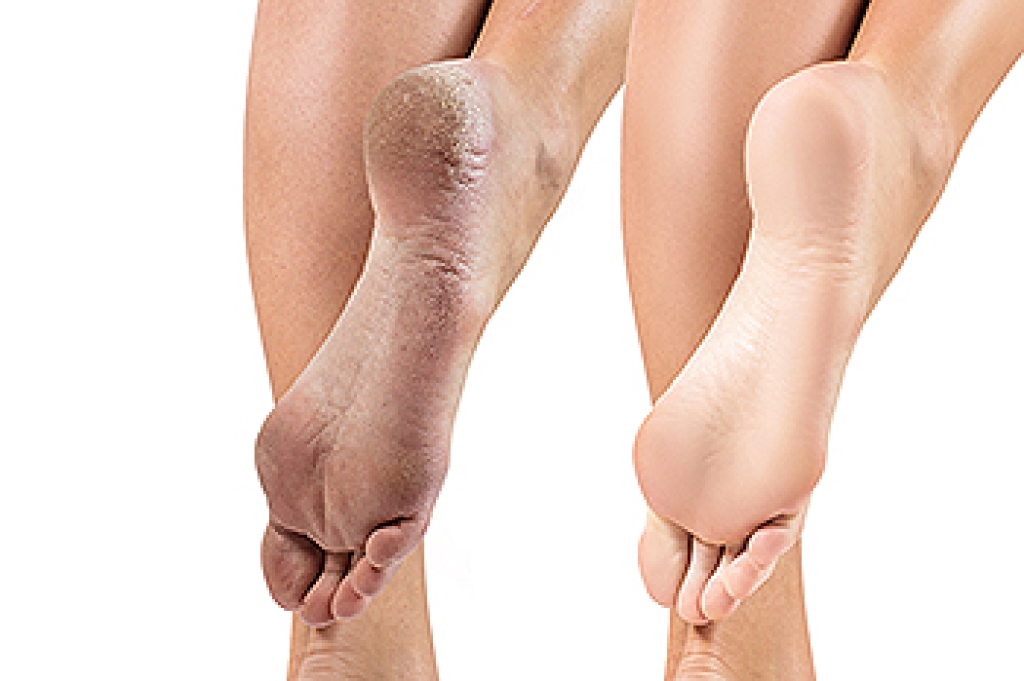
Cracked heels often develop when the skin becomes excessively dry or thick, making it prone to splitting. Factors such as exposure to hot water, harsh soaps, and low humidity can strip the feet of natural oils. Age-related changes like thinning fat pads and reduced skin renewal also make the feet more vulnerable to pressure and dryness. Health conditions, including diabetes, psoriasis, hypothyroidism, obesity, and poor circulation, can reduce the skin’s ability to heal, leading to deep fissures. Vitamin and mineral deficiencies may weaken the skin barrier, which increases the risk of cracks. Daily habits like standing for long periods and wearing ill-fitting shoes place additional stress on the heels. Other lifestyle factors such as smoking and walking barefoot can increase dryness and pressure. Poor foot hygiene, including neglecting regular moisturizing and exfoliation, often contributes to the formation of cracked heels. A podiatrist can diagnose the underlying cause, remove thickened skin, and prescribe medicated creams to address fissures. If you have cracked heels that cause pain, it is suggested that you schedule an appointment with a podiatrist for appropriate treatment.

Cracked heels are unsightly and can cause further damage to your shoes and feet. If you have any concerns, contact Peter Siroka, DPM from Connecticut. Our doctor can provide the care you need to keep you pain-free and on your feet.

Cracked Heels

Cracked heels appear unappealing and can make it harder for you walk around in sandals. Aside from looking unpleasant, cracked heels can also tear stockings, socks, and wear out your shoes. There are several methods to help restore a cracked heel and prevent further damage.

How Do You Get Them?

Dry skin is the number one culprit in creating cracked heels. Many athletes, walkers, joggers, and even swimmers suffer from cracked heels. Age and skin oil production play a role to getting cracked heels as well.

Promote Healing

Over the counter medicines can help, especially for those that need instant relief or who suffer from chronic dry feet.

Wear Socks – Wearing socks with medicated creams helps lock in moisture.

Moisturizers – Applying both day and night will help alleviate dryness which causes cracking.

Pumice Stones – These exfoliate and remove dead skin, which allows for smoother moisturizer application and better absorption into the skin. 

Change in Diet

Eating healthy with a well-balanced diet will give the skin a fresh and radiant look. Your body responds to the kinds of food you ingest. Omega-3 fatty acids and zinc supplements can also revitalize skin tissue.

Most importantly, seek professional help if unsure how to proceed in treating cracked heels. A podiatrist will help you with any questions or information needed. 

If you have any questions, please feel free to contact our office located in Stamford, CT . We offer the newest diagnostic and treatment technologies for all your foot care needs.

Read more about Solutions for Cracked Heels

Understanding Ingrown Toenails

Ingrown toenails occur when the edge of a toenail grows into the surrounding skin, most commonly affecting the big toe. This condition can be caused by improper nail trimming, wearing tight shoes, injury, or genetic factors. People with curved or thick nails may be more prone to developing ingrown toenails. Symptoms include redness, swelling, pain along the nail edge, and sometimes infection with pus or drainage. The area can feel tender, sore, or even throb, making walking or wearing shoes uncomfortable. A podiatrist can evaluate the severity of the condition and provide relief. Treatment options include gently lifting the nail, removing part of the nail, or, in recurrent cases, performing a minor procedure to prevent the nail from growing back improperly. They may also recommend proper foot care techniques and footwear changes to prevent future issues. If you have an ingrown toenail, is suggested that you schedule an appointment to see a podiatrist for appropriate treatment.

Ingrown toenails may initially present themselves as a minor discomfort, but they may progress into an infection in the skin without proper treatment. For more information about ingrown toenails, contact Peter Siroka, DPM of Connecticut. Our doctor can provide the care you need to keep you pain-free and on your feet.

Ingrown Toenails

Ingrown toenails are caused when the corner or side of a toenail grows into the soft flesh surrounding it. They often result in redness, swelling, pain, and in some cases, infection. This condition typically affects the big toe and may recur if it is not treated properly.

Causes

  • Improper toenail trimming
  • Genetics
  • Improper shoe fitting
  • Injury from pedicures or nail picking
  • Abnormal gait
  • Poor hygiene

You are more likely to develop an ingrown toenail if you are obese, have diabetes, arthritis, or have any fungal infection in your nails. Additionally, people who have foot or toe deformities are at a higher risk of developing an ingrown toenail.

Symptoms

Some symptoms of ingrown toenails are redness, swelling, and pain. In rare cases, there may be a yellowish drainage coming from the nail.

Treatment

Ignoring an ingrown toenail can have serious complications. Infections of the nail border can progress to a deeper soft-tissue infection, which can then turn into a bone infection. You should always speak with your podiatrist if you suspect you have an ingrown toenail, especially if you have diabetes or poor circulation.

If you have any questions, please feel free to contact our office located in Stamford, CT . We offer the newest diagnostic and treatment technologies for all your foot care needs.

Read more about Ingrown Toenails

Connect With Us

scroll to top