Preventing Gout Flare-Ups

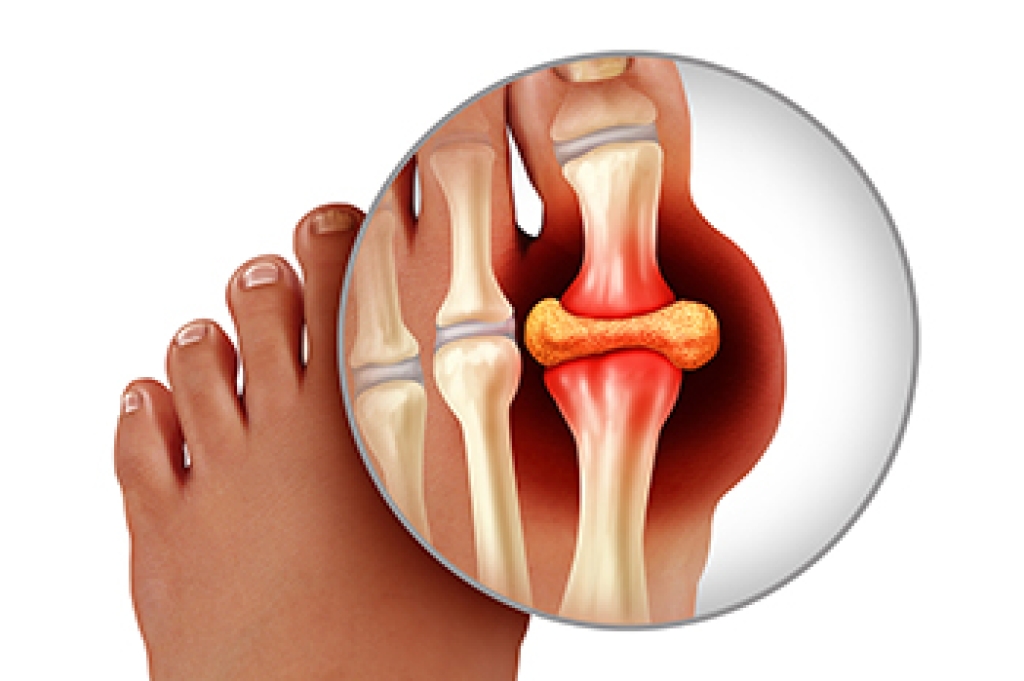
Gout is a form of arthritis caused by the buildup of uric acid crystals in the joints, leading to sudden, intense pain, redness, and swelling, often in the big toe. The primary cause of gout is high levels of uric acid in the blood, which can result from certain foods, alcohol, or dehydration. To avoid flare-ups, it is important to limit foods that increase uric acid levels, such as red meat, shellfish, organ meats, sugary drinks, and alcohol, especially beer. Instead, focus on eating more fruits, vegetables, and whole grains, and drink plenty of water to help flush uric acid from the body.  A podiatrist can help manage gout by diagnosing flare-ups, providing anti-inflammatory treatments, and recommending lifestyle changes, including dietary adjustments. In some cases, this type of doctor may prescribe medications to lower uric acid levels or prevent future attacks. If you have gout, it is suggested that you are under the care of a podiatrist who can help you to manage this painful condition.
 

Gout is a painful condition that can be treated. If you are seeking treatment, contact Peter Siroka, DPM from Connecticut. Our doctor will treat your foot and ankle needs.

What Is Gout?

Gout is a form of arthritis that is characterized by sudden, severe attacks of pain, redness, and tenderness in the joints. The condition usually affects the joint at the base of the big toe. A gout attack can occur at any random time, such as the middle of the night while you are asleep.

Symptoms

  • Intense Joint Pain - Usually around the large joint of your big toe, and it most severe within the first four to twelve hours
  • Lingering Discomfort - Joint discomfort may last from a few days to a few weeks
  • Inflammation and Redness -Affected joints may become swollen, tender, warm and red
  • Limited Range of Motion - May experience a decrease in joint mobility

Risk Factors

  • Genetics - If family members have gout, you’re more likely to have it
  • Medications - Diuretic medications can raise uric acid levels
  • Gender/Age - Gout is more common in men until the age of 60. It is believed that estrogen protects women until that point
  • Diet - Eating red meat and shellfish increases your risk
  • Alcohol - Having more than two alcoholic drinks per day increases your risk
  • Obesity - Obese people are at a higher risk for gout

Prior to visiting your podiatrist to receive treatment for gout, there are a few things you should do beforehand. If you have gout you should write down your symptoms--including when they started and how often you experience them, important medical information you may have, and any questions you may have. Writing down these three things will help your podiatrist in assessing your specific situation so that he or she may provide the best route of treatment for you.

If you have any questions, please feel free to contact our office located in Stamford, CT . We offer the newest diagnostic and treatment technologies for all your foot care needs.


Read more about Gout

Symptoms and Causes of Flat Feet

Flat feet, also called fallen arches, occur when the arch of the foot is lower than normal or completely flattened, causing the sole to touch the ground. While this condition is common in children as their arches develop, some people retain flat feet into adulthood. Others develop flat feet later in life due to aging, obesity, diabetes, or arthritis. Flat feet symptoms include pain in the arch, heel, or ankle, swelling, stiffness, and uneven wear on shoes. In some cases, the altered alignment of the feet can affect stability, increasing the risk of tripping or causing discomfort during activity. A podiatrist can diagnose flat feet by examining foot structure and movement. This foot doctor may recommend orthotics, which are custom shoe inserts designed to support the arch, improve foot alignment, and reduce pressure on the feet and ankles. Wearing supportive footwear can also help minimize discomfort. If you are experiencing pain caused by having flat feet, it is suggested that you schedule an appointment with a podiatrist for a diagnosis and treatment options.

Flatfoot is a condition many people suffer from. If you have flat feet, contact Peter Siroka, DPM from Connecticut. Our doctor will treat your foot and ankle needs.

What Are Flat Feet?

Flatfoot is a condition in which the arch of the foot is depressed and the sole of the foot is almost completely in contact with the ground. About 20-30% of the population generally has flat feet because their arches never formed during growth.

Conditions & Problems:

Having flat feet makes it difficult to run or walk because of the stress placed on the ankles.

Alignment – The general alignment of your legs can be disrupted, because the ankles move inward which can cause major discomfort.

Knees – If you have complications with your knees, flat feet can be a contributor to arthritis in that area.  

Symptoms

  • Pain around the heel or arch area
  • Trouble standing on the tip toe
  • Swelling around the inside of the ankle
  • Flat look to one or both feet
  • Having your shoes feel uneven when worn

Treatment

If you are experiencing pain and stress on the foot you may weaken the posterior tibial tendon, which runs around the inside of the ankle. 

If you have any questions, please feel free to contact our office located in Stamford, CT . We offer the newest diagnostic and treatment technologies for all your foot care needs.
Read more about Flat Feet

Common Causes of Ankle Popping

Ankle popping, medically referred to as crepitus, can occur for a variety of reasons, but is usually harmless unless accompanied by pain or swelling. Common causes of ankle popping include the release of gas within the joint capsule, which produces a popping sound without pain. Issues with the tendons surrounding the ankle, such as peroneal tendonitis, may also cause popping. Such tendon inflammation may also cause pain and instability, particularly during movement. Ligament injuries, such as ankle sprains, can also result in a popping noise, often at the time of injury, along with swelling and bruising. Damage to cartilage in the ankle may lead to clicking sounds and joint instability during activity. Incorporating specific exercises to strengthen the muscles and improve ankle mobility, such as ankle circles or calf raises, can help support the joint and reduce the risk of further complications. A podiatrist can assess the cause of ankle popping and develop a plan to address the underlying issue. If your ankles make a popping sound, it is suggested that you schedule an appointment with a podiatrist for an exam and treatment options.

Ankle pain can have many different causes and the pain may potentially be serious. If you have ankle pain, consult with Peter Siroka, DPM from Connecticut. Our doctor will assess your condition and provide you with quality foot and ankle treatment.

Ankle pain is any condition that causes pain in the ankle. Due to the fact that the ankle consists of tendons, muscles, bones, and ligaments, ankle pain can come from a number of different conditions.

Causes

The most common causes of ankle pain include:

  • Types of arthritis (rheumatoid, osteoarthritis, and gout)
  • Ankle sprains
  • Broken ankles
  • Achilles tendinitis
  • Achilles tendon rupture
  • Stress fractures
  • Tarsal tunnel syndrome
  • Plantar fasciitis

Symptoms

Symptoms of ankle injury vary based upon the condition. Pain may include general pain and discomfort, swelling, aching, redness, bruising, burning or stabbing sensations, and/or loss of sensation.

Diagnosis

Due to the wide variety of potential causes of ankle pain, podiatrists will utilize a number of different methods to properly diagnose ankle pain. This can include asking for personal and family medical histories and of any recent injuries. Further diagnosis may include sensation tests, a physical examination, and potentially x-rays or other imaging tests.

Treatment

Just as the range of causes varies widely, so do treatments. Some more common treatments are rest, ice packs, keeping pressure off the foot, orthotics and braces, medication for inflammation and pain, and surgery.

If you have any questions please feel free to contact our office located in Stamford, CT . We offer the newest diagnostic tools and technology to treat your foot and ankle needs.

Read more about Ankle Pain

Understanding Toenail Fungus

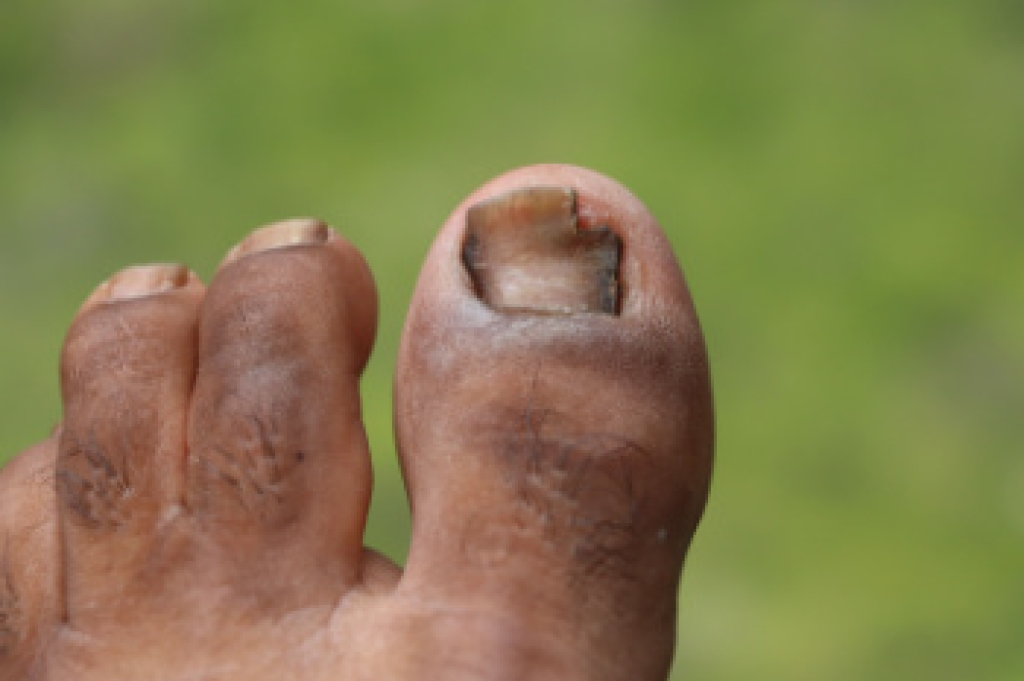
Toenail fungus is a common condition that causes thickened, discolored, and brittle nails. It typically begins as a white or yellow spot under the tip of the nail and can spread, making the nail appear distorted. The main cause of toenail fungus is fungi that thrive in warm, moist environments like sweaty socks, damp shoes, or public areas such as swimming pools or showers. Sharing personal items, like nail clippers or towels, can also increase the risk of infection. Treatment for toenail fungus often includes antifungal medications, either topical or oral, to clear the infection. In some cases, a podiatrist may recommend laser treatment or, in severe instances, partial removal of the affected nail. Because toenail fungus can be persistent and difficult to treat on your own, visiting a podiatrist ensures proper diagnosis and effective treatment. If you are dealing with toenail fungus, it is suggested that you make an appointment with a podiatrist.

If left untreated, toenail fungus may spread to other toenails, skin, or even fingernails. If you suspect you have toenail fungus it is important to seek treatment right away. For more information about treatment, contact Peter Siroka, DPM of Connecticut. Our doctor can provide the care you need to keep you pain-free and on your feet.

Symptoms

  • Warped or oddly shaped nails
  • Yellowish nails
  • Loose/separated nail
  • Buildup of bits and pieces of nail fragments under the nail
  • Brittle, broken, thickened nail

Treatment

If self-care strategies and over-the-counter medications does not help your fungus, your podiatrist may give you a prescription drug instead. Even if you find relief from your toenail fungus symptoms, you may experience a repeat infection in the future.

Prevention

In order to prevent getting toenail fungus in the future, you should always make sure to wash your feet with soap and water. After washing, it is important to dry your feet thoroughly especially in between the toes. When trimming your toenails, be sure to trim straight across instead of in a rounded shape. It is crucial not to cover up discolored nails with nail polish because that will prevent your nail from being able to “breathe”.

In some cases, surgical procedure may be needed to remove the toenail fungus. Consult with your podiatrist about the best treatment options for your case of toenail fungus.  

If you have any questions please contact our office located in Stamford, CT . We offer the newest diagnostic and treatment technologies for all your foot and ankle needs.

Read more about Treating Toenail Fungus

Heel Pain Can Be Treated!

Do you suffer from heel pain when you get up in the morning? If so, you should seek professional help and have a proper diagnosis performed. Heel pain can be caused by several different foot-related conditions.

What Is Sever’s Disease?

Sever’s disease, also known as calcaneal apophysitis, is a common cause of heel pain in active children, particularly those between the ages of 8 and 14. It occurs when the growth plate in the heel bone becomes inflamed, often due to overuse or stress placed on the growing bones. The main cause of Sever’s disease is repetitive pressure or stress on the heel, often from physical activities like running, jumping, or sports that involve sudden movements. Symptoms of Sever’s disease include pain, swelling, and tenderness in the heel, especially after physical activity. The pain usually improves with rest and may worsen during or after exercise. Sever’s disease is typically self-limiting, meaning it often resolves as the child’s growth plate naturally matures. However, treatment options like rest, stretching exercises, and supportive footwear can help manage symptoms and promote healing. If your active child has heel pain, it is suggested that you contact a podiatrist who can offer additional relief tips.

Sever's disease often occurs in children and teens. If your child is experiencing foot or ankle pain, see Peter Siroka, DPM from Connecticut. Our doctor can treat your child’s foot and ankle needs.

Sever’s Disease

Sever’s disease is also known as calcaneal apophysitis, which is a medical condition that causes heel pain I none or both feet. The disease is known to affect children between the ages of 8 and 14.

Sever’s disease occurs when part of the child’s heel known as the growth plate (calcaneal epiphysis) is attached to the Achilles tendon. This area can suffer injury when the muscles and tendons of the growing foot do not keep pace with bone growth. Therefore, the constant pain which one experiences at the back of the heel will make the child unable to put any weight on the heel. The child is then forced to walk on their toes.

Symptoms

Acute pain – Pain associated with Sever’s disease is usually felt in the heel when the child engages in physical activity such as walking, jumping and or running.

Highly active – Children who are very active are among the most susceptible in experiencing Sever’s disease, because of the stress and tension placed on their feet.

If you have any questions, please feel free to contact our office located in Stamford, CT . We offer the newest diagnostic and treatment technologies for all your foot care needs.

Read more about Sever's Disease

Facts About Heel Spur Surgery

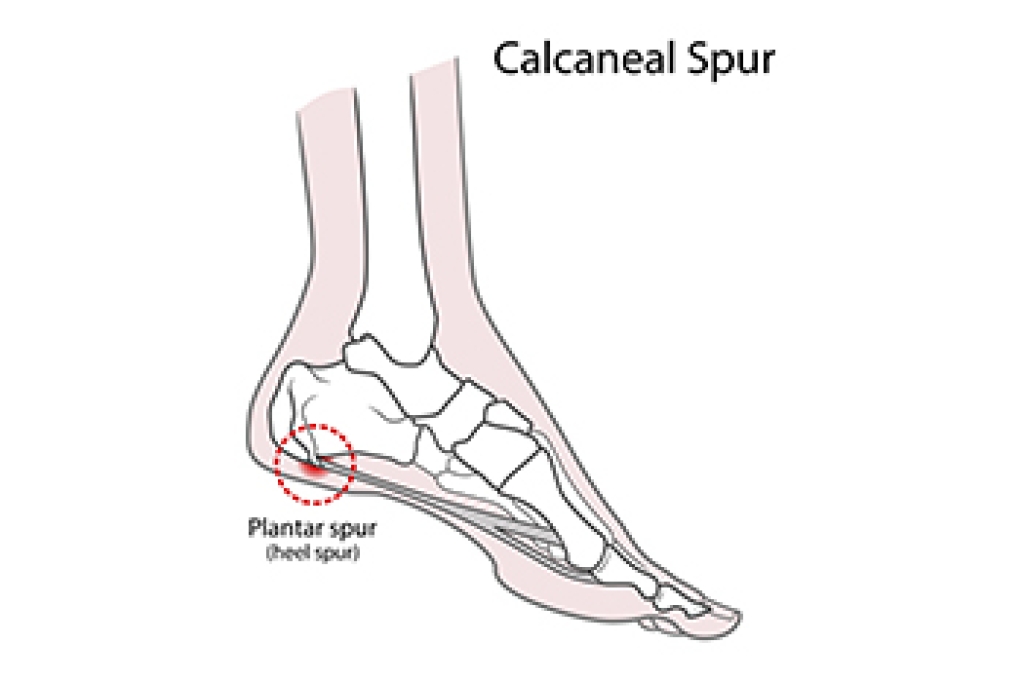
Heel spur surgery may be recommended when chronic heel pain does not improve with non-surgical treatments. Heel spurs are bony outgrowths on the calcaneus, often linked to conditions like plantar fasciitis or Achilles tendonitis. Heel spur surgery aims to alleviate pain by removing the bone spur and addressing the underlying issue. Procedures vary based on the spur's location. Inferior spurs, which develop on the bottom of the heel, are often treated alongside plantar fasciitis release surgery. Posterior spurs, which occur near the Achilles tendon, require more complex techniques. Treatment may involve open surgery or less invasive endoscopic methods, with recovery typically taking several weeks to months. Risks include nerve damage, foot instability, or prolonged discomfort. A podiatrist can guide you through diagnosis, recommend the appropriate treatment, and support your recovery. If you are suffering from heel pain, it is suggested that you schedule an appointment with a podiatrist for a diagnosis and treatment options.

Heel spurs can be incredibly painful and sometimes may make you unable to participate in physical activities. To get medical care for your heel spurs, contact Peter Siroka, DPM from Connecticut. Our doctor will do everything possible to treat your condition.

Heels Spurs

Heel spurs are formed by calcium deposits on the back of the foot where the heel is. This can also be caused by small fragments of bone breaking off one section of the foot, attaching onto the back of the foot. Heel spurs can also be bone growth on the back of the foot and may grow in the direction of the arch of the foot.

Older individuals usually suffer from heel spurs and pain sometimes intensifies with age. One of the main condition's spurs are related to is plantar fasciitis.

Pain

The pain associated with spurs is often because of weight placed on the feet. When someone is walking, their entire weight is concentrated on the feet. Bone spurs then have the tendency to affect other bones and tissues around the foot. As the pain continues, the feet will become tender and sensitive over time.

Treatments

There are many ways to treat heel spurs. If one is suffering from heel spurs in conjunction with pain, there are several methods for healing. Medication, surgery, and herbal care are some options.

If you have any questions, please feel free to contact our office located in Stamford, CT . We offer the newest diagnostic and treatment technologies for all your foot care needs.

Read more about How to Treat Heel Spurs

Preventing Plantar Ulcers in Diabetic Patients

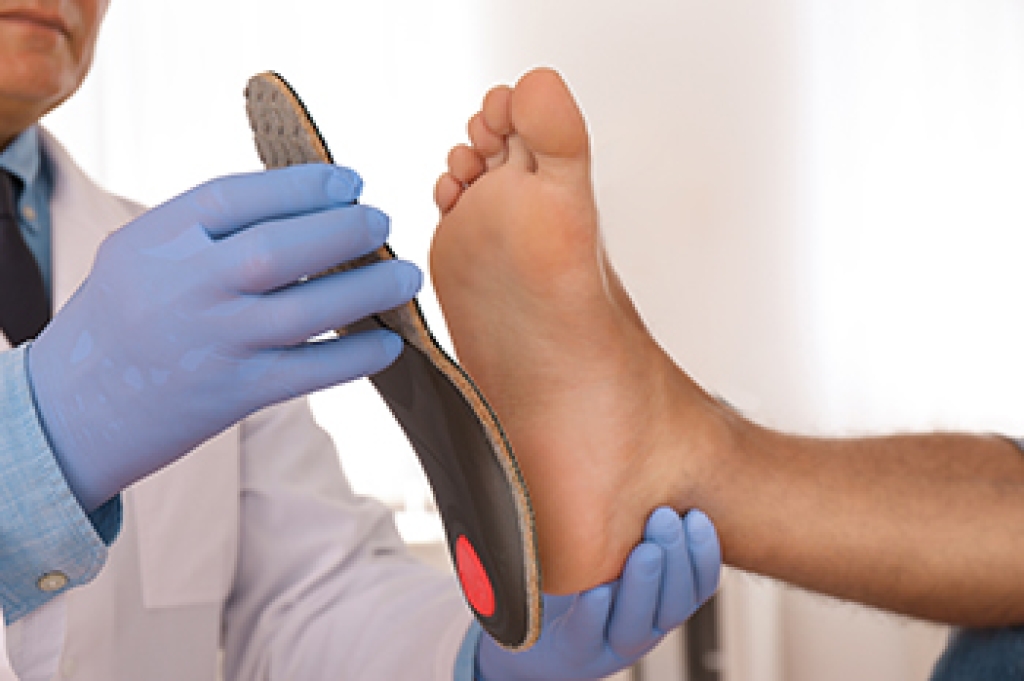
A plantar ulcer is an open sore that develops on the bottom of the foot, often due to high pressure or poor circulation. For people with diabetes and peripheral neuropathy, these ulcers can become a recurring issue, especially if they have had them before. Custom shoe orthotics can help reduce pressure on the feet, lowering the risk of these ulcers returning. Research shows that orthotics shaped to fit the foot and designed based on pressure points are more effective in preventing ulcer recurrence than standard orthotics. However, while these specialized orthotics can reduce ulcers, they do not necessarily prevent other types of foot lesions. If you have diabetes,  it is strongly suggested that you visit a podiatrist for a personalized foot evaluation and directed treatment for you, which may include orthotics.

If you are having discomfort in your feet and would like to try orthotics, contact Peter Siroka, DPM from Connecticut. Our doctor can provide the care you need to keep you pain-free and on your feet.

What Are Orthotics?

Orthotics are inserts you can place into your shoes to help with a variety of foot problems such as flat feet or foot pain. Orthotics provide relief and comfort for minor foot and heel pain but can’t correct serious biomechanical problems in your feet.

Over-the-Counter Inserts

Orthotics come in a wide variety of over-the-counter inserts that are used to treat foot pain, heel pain, and minor problems. For example, arch supports can be inserted into your shoes to help correct overarched or flat feet, while gel insoles are often used because they provide comfort and relief from foot and heel pain by alleviating pressure.

Prescription Orthotics

If over-the-counter inserts don’t work for you or if you have a more severe foot concern, it is possible to have your podiatrist prescribe custom orthotics. These high-quality inserts are designed to treat problems such as abnormal motion, plantar fasciitis, and severe forms of heel pain. They can even be used to help patients suffering from diabetes by treating foot ulcers and painful calluses and are usually molded to your feet individually, which allows them to provide full support and comfort.

If you are experiencing minor to severe foot or heel pain, it’s recommended to speak with your podiatrist about the possibilities of using orthotics. A podiatrist can determine which type of orthotic is right for you and allow you to take the first steps towards being pain-free.

If you have any questions, please feel free to contact our office located in Stamford, CT . We offer the newest diagnostic and treatment technologies for all your foot care needs.
Read more about Ankle Foot Orthotics for Athletes

Understanding Corns and Calluses

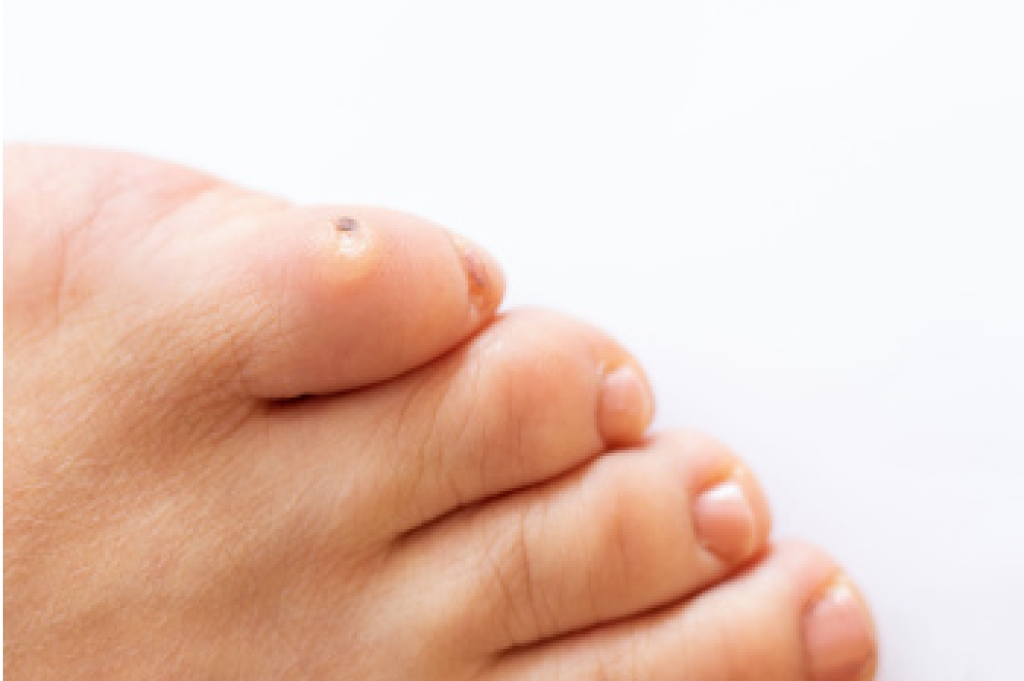
Corns and calluses are thickened areas of skin that develop due to repeated friction or pressure, often on the feet. Corns typically form on the toes, while calluses appear on the soles. Common causes include ill-fitting shoes, high-impact activities, and foot deformities. Symptoms include localized pain, discomfort, and thick, hardened skin. While these conditions are not usually serious, they can lead to further foot problems if left untreated. Treatment options include regular exfoliation, moisturizing, and using protective pads. In more persistent cases, a podiatrist can provide professional care, such as safely removing corns and calluses and addressing any underlying issues. If you are struggling with corns or calluses, it is suggested that you make an appointment with a podiatrist. This foot doctor can develop a personalized treatment plan to relieve your discomfort and help you maintain healthy feet.

Corns can make walking very painful and should be treated immediately. If you have questions regarding your feet and ankles, contact Peter Siroka, DPM of Connecticut. Our doctor will treat your foot and ankle needs.

Corns: What Are They? And How Do You Get Rid of Them?
Corns are thickened areas on the skin that can become painful. They are caused by excessive pressure and friction on the skin. Corns press into the deeper layers of the skin and are usually round in shape.

Ways to Prevent Corns
There are many ways to get rid of painful corns such as:

  • Wearing properly fitting shoes that have been measured by a professional
  • Wearing shoes that are not sharply pointed or have high heels
  • Wearing only shoes that offer support

Treating Corns

Although most corns slowly disappear when the friction or pressure stops, this isn’t always the case. Consult with your podiatrist to determine the best treatment option for your case of corns.

If you have any questions, please feel free to contact our office located in Stamford, CT . We offer the newest diagnostic and treatment technologies for all your foot care needs.
Read more about Everything You Need to Know About Corns

It's Time for Beautiful Feet

You don't need an excuse to have beautiful nails. Step outside without worrying about the appearance of your feet.

Connect With Us

scroll to top