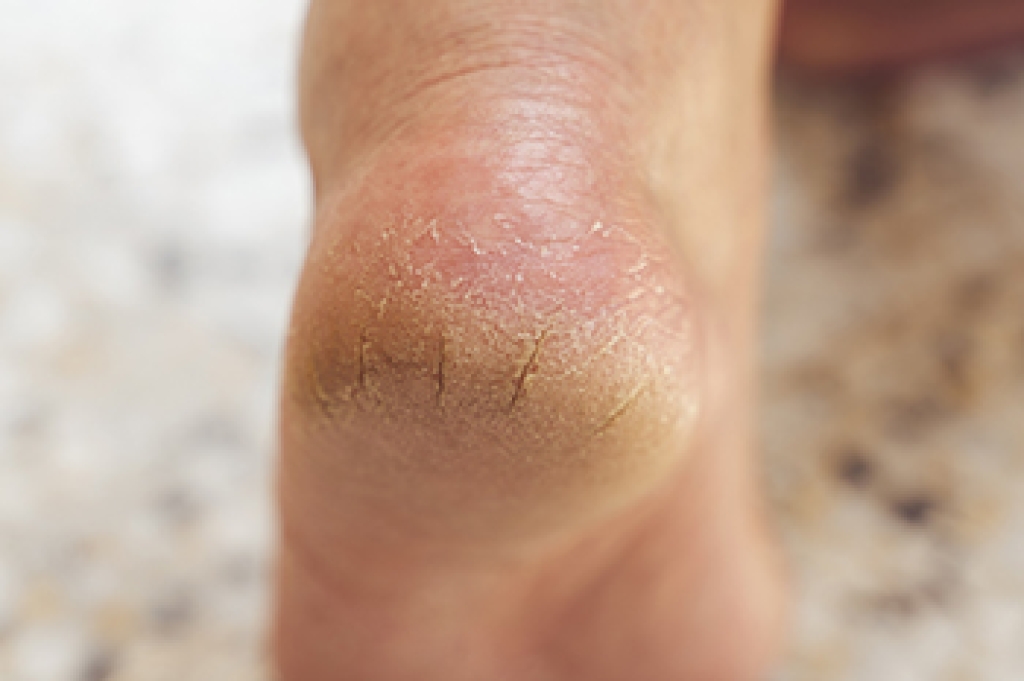
Is There a Link Between Diabetes and Cracked Heels?

Cracked heels, a common foot ailment, can be particularly concerning for individuals with diabetes. Diabetes can lead to poor circulation and nerve damage, reducing the skin's ability to stay moisturized and heal properly. As a result, the skin around the heels becomes dry and thickened, prone to cracking and fissures. Cracked heels provide entry points for bacteria, increasing the risk of infection, particularly for those with compromised immune systems. Diabetic neuropathy can also diminish sensation in the feet, making it challenging to detect and address foot problems promptly. Left untreated, cracked heels can progress to serious complications such as foot ulcers, infections, and amputation in severe cases. There are essential foot care tips that can help to prevent cracked heels. If you have developed this condition, it is suggested that you seek guidance from a podiatrist who can help you manage diabetes-related foot issues and minimize the risk of complications. 

Cracked heels are unsightly and can cause further damage to your shoes and feet. If you have any concerns, contact Peter Siroka, DPM from Connecticut. Our doctor can provide the care you need to keep you pain-free and on your feet.

Cracked Heels

Cracked heels appear unappealing and can make it harder for you walk around in sandals. Aside from looking unpleasant, cracked heels can also tear stockings, socks, and wear out your shoes. There are several methods to help restore a cracked heel and prevent further damage.

How Do You Get Them?

Dry skin is the number one culprit in creating cracked heels. Many athletes, walkers, joggers, and even swimmers suffer from cracked heels. Age and skin oil production play a role to getting cracked heels as well.

Promote Healing

Over the counter medicines can help, especially for those that need instant relief or who suffer from chronic dry feet.

Wear Socks – Wearing socks with medicated creams helps lock in moisture.

Moisturizers – Applying both day and night will help alleviate dryness which causes cracking.

Pumice Stones – These exfoliate and remove dead skin, which allows for smoother moisturizer application and better absorption into the skin. 

Change in Diet

Eating healthy with a well-balanced diet will give the skin a fresh and radiant look. Your body responds to the kinds of food you ingest. Omega-3 fatty acids and zinc supplements can also revitalize skin tissue.

Most importantly, seek professional help if unsure how to proceed in treating cracked heels. A podiatrist will help you with any questions or information needed. 

If you have any questions, please feel free to contact our office located in Stamford, CT . We offer the newest diagnostic and treatment technologies for all your foot care needs.

Read more about Solutions for Cracked Heels

Nutritional Needs for Diabetic Foot Ulcer Recovery

Addressing the nutritional needs of individuals with diabetic foot ulcers is a critical part of promoting healing and preventing more serious problems. Stable blood sugar levels, achieved through monitoring carbohydrate intake on a regular basis, are vital for managing diabetes and promoting optimal healing of foot ulcers. A well-balanced diet is also essential in supporting the body's natural wound healing processes. Protein-rich foods like poultry, fish, eggs, and legumes aid in tissue repair and wound healing. Additionally, vitamins and minerals such as vitamin C, zinc, and vitamin E enhance immune function and collagen synthesis, facilitating wound healing. Fruits, vegetables, whole grains, and healthy fats provide antioxidants and anti-inflammatory compounds to support overall health and reduce infection risk. If you have diabetes and have developed a foot ulcer, it is suggested that you consult a podiatrist to discuss optimal healing methods, including important nutritional needs, tailored to your specific condition.

Diabetic foot care is important in preventing foot ailments such as ulcers. If you are suffering from diabetes or have any other concerns about your feet, contact Peter Siroka, DPM from Connecticut. Our doctor can provide the care you need to keep you pain-free and on your feet.

Diabetic Foot Care

Diabetes affects millions of people every year. The condition can damage blood vessels in many parts of the body, especially the feet. Because of this, taking care of your feet is essential if you have diabetes, and having a podiatrist help monitor your foot health is highly recommended.

The Importance of Caring for Your Feet

  • Routinely inspect your feet for bruises or sores.
  • Wear socks that fit your feet comfortably.
  • Wear comfortable shoes that provide adequate support.

Patients with diabetes should have their doctor monitor their blood levels, as blood sugar levels play such a huge role in diabetic care. Monitoring these levels on a regular basis is highly advised.

It is always best to inform your healthcare professional of any concerns you may have regarding your feet, especially for diabetic patients. Early treatment and routine foot examinations are keys to maintaining proper health, especially because severe complications can arise if proper treatment is not applied.

If you have any questions, please feel free to contact our office located in Stamford, CT . We offer the newest diagnostic and treatment technologies for all your foot care needs.

Read more about Diabetic Foot Conditions

Early Diagnosis and Treatment of Rheumatoid Arthritis

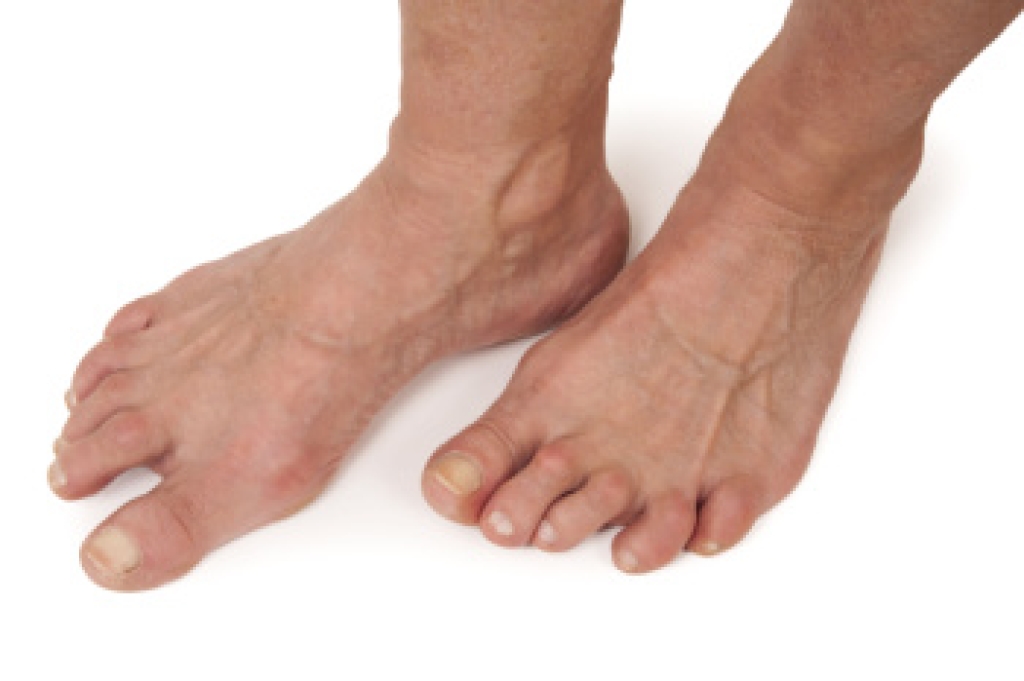
Rheumatoid arthritis, also known as RA, is a prevalent inflammatory condition, affecting up to one percent of the global population. It can develop at any age but is most common in individuals that are between 30 and 50 years old, with significant disability implications. Genetic factors play a substantial role, with approximately half the risk attributable to genetic predisposition, including specific human leukocyte antigen associations. Smoking is a major environmental trigger. RA primarily affects joints, leading to synovial inflammation, cartilage damage, and bone erosion. Symptoms include joint pain, stiffness, and swelling, often affecting the toes of the feet. Morning stiffness lasting over an hour is a hallmark sign. If you have discomfort in your feet from RA, it is suggested that you schedule an appointment with a podiatrist, as prompt diagnosis is essential for early intervention and management to mitigate joint damage and preserve joint function.

Because RA affects more than just your joints, including the joints in your feet and ankles, it is important to seek early diagnosis from your podiatrist if you feel like the pain in your feet might be caused by RA. For more information, contact Peter Siroka, DPM of Connecticut. Our doctor will assist you with all of your podiatric concerns.

What Is Rheumatoid Arthritis?

Rheumatoid Arthritis (RA) is an autoimmune disorder in which the body’s own immune system attacks the membranes surrounding the joints. Inflammation of the lining and eventually the destruction of the joint’s cartilage and bone occur, causing severe pain and immobility.

Rheumatoid Arthritis of the Feet

Although RA usually attacks multiple bones and joints throughout the entire body, almost 90 percent of cases result in pain in the foot or ankle area.

Symptoms

  • Swelling and pain in the feet
  • Stiffness in the feet
  • Pain on the ball or sole of feet
  • Joint shift and deformation

Diagnosis

Quick diagnosis of RA in the feet is important so that the podiatrist can treat the area effectively. Your doctor will ask you about your medical history, occupation, and lifestyle to determine the origin of the condition. Rheumatoid Factor tests help to determine if someone is affected by the disease.

If you have any questions, please feel free to contact our office located in Stamford, CT . We offer the newest diagnostic and treatment technologies for all your foot care needs.
Read more about Rheumatoid Arthritis in the Feet

Are You Suffering From Nerve Damage?

Neuropathy is a condition that can lead to numbness or loss of sensation in the feet, but it can also cause pain. This condition is more likely to develop for those who are diabetic, obese, or with high blood pressure.

Essential Considerations for Purchasing Running Shoes

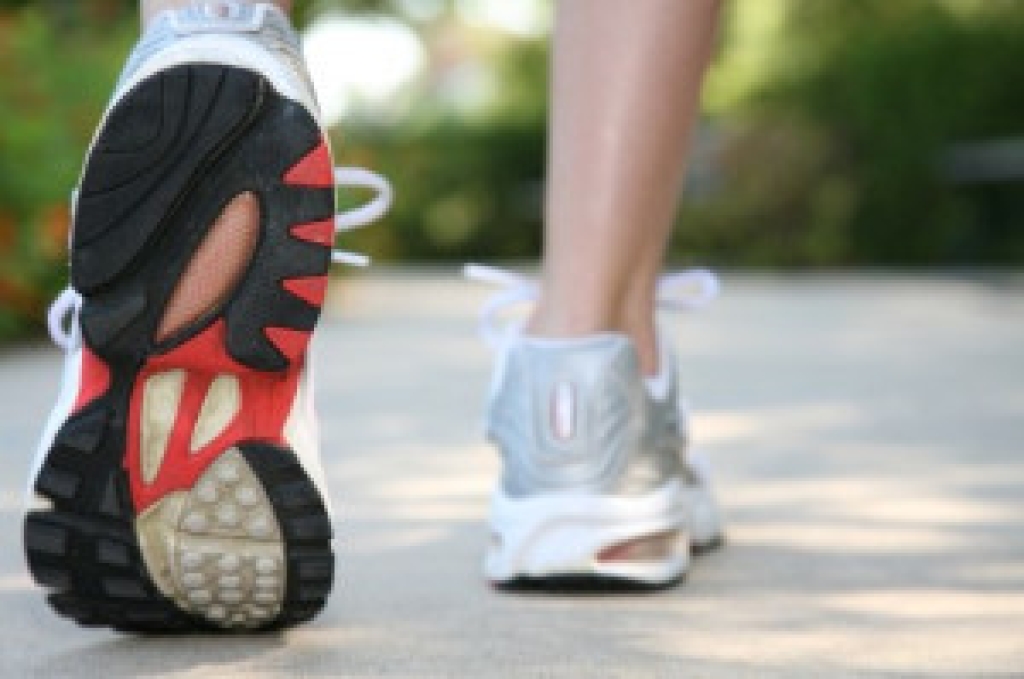
Selecting the right pair of running shoes is vital for both comfort and performance. Start by understanding your foot type and running gait, as this will influence the type of shoe you need. Consider factors such as arch height, pronation, and foot width to determine the appropriate level of support and cushioning. Next, prioritize fit, and your running shoes should feel snug but not constrictive, with ample room in the toe box to prevent discomfort and injuries such as black toenails or blisters. Look for shoes with breathable materials to promote airflow and prevent moisture buildup, reducing the risk of fungal infections. Additionally, consider the terrain and distance you'll be running, as different shoes are designed for various surfaces and distances. Finally, it is beneficial to include durability and quality in your shoe choice. This can consist of investing in well-constructed shoes from reputable brands to ensure longevity and support for your running endeavors. By carefully considering these factors, you can find the perfect pair of running shoes to support your fitness journey and enhance your running experience. If you are seeking additional knowledge about what to look for in running shoes, it is suggested that you consult a podiatrist who can provide you with pertinent information.

If you are a runner, wearing the right running shoe is essential. For more information, contact Peter Siroka, DPM from Connecticut. Our doctor can provide the care you need to keep you pain-free and on your feet.

Choosing the Right Running Shoe for Your Foot Type

To increase performance and avoid the risk of injury, it is important to choose the right running shoe based on your foot type. The general design of running shoes revolves around pronation, which is how the ankle rolls from outside to inside when the foot strikes the ground.

  • Neutral runners are able to choose from a wide variety of shoes, including minimalist shoes or even going barefoot.
  • Runners who overpronate, or experience an over-abundance of ankle rolling, should choose shoes that provide extra motion control and stability.
  • Runners who underpronate, or supinate, have feet that have high arches and lack flexibility, preventing shock absorption. They require shoes with more flexibility and cushion.

If you have any questions, please feel free to contact our office located in Stamford, CT . We offer the newest diagnostic and treatment technologies for all your foot care needs.

Read more about Choosing the Right Running Shoe for Your Foot Type

Connect With Us

scroll to top