The Seriousness of Cracked Heels

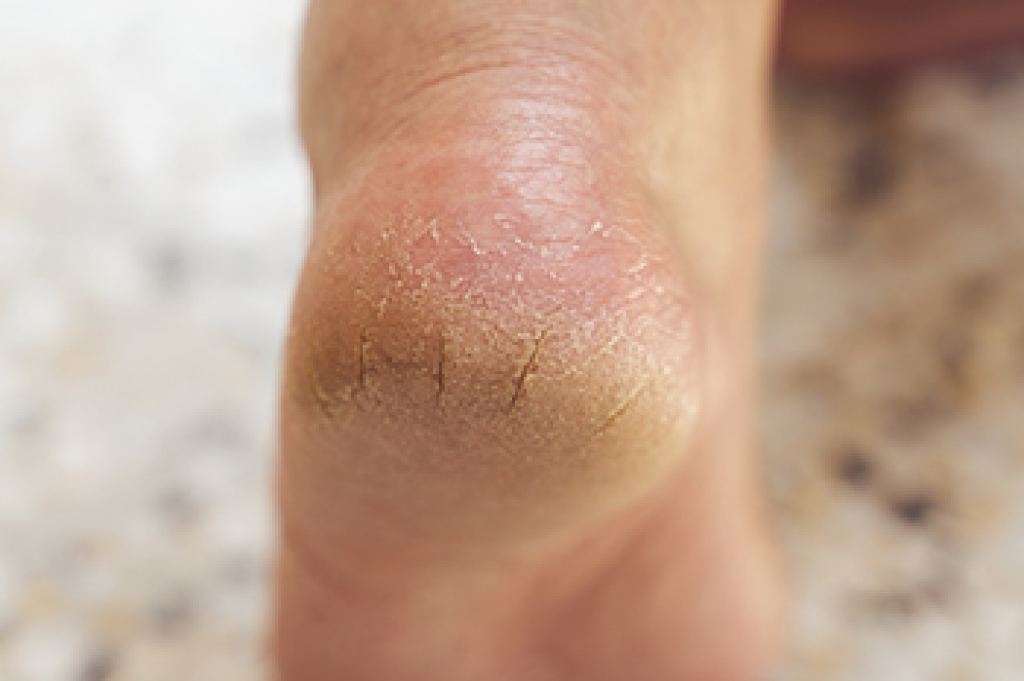
Cracked heels, medically known as heel fissures, are more than just a cosmetic issue, they can be quite serious. These splits in the skin surrounding the heel can become deep and cause pain, especially while standing or walking. For some individuals, the cracks are superficial, but for others, they can lead to bleeding and infections, particularly in those with compromised immune systems. In addition, people who have conditions such as diabetes can impair healing, possibly increasing the risk of foot complications. The skin around the heels is often subjected to pressure and weight-bearing, and if it is not supple due to dryness or thickened due to calluses, it is prone to cracking. Factors contributing to this can include walking barefoot or wearing open-backed shoes, prolonged standing, obesity, and certain skin conditions. In severe cases, dead skin may need to be removed by a podiatrist and medication prescribed. If you have cracked heels that are not healing or are worsening, it is suggested that you make an appointment with this type of medical professional for prompt treatment.

Cracked heels are unsightly and can cause further damage to your shoes and feet. If you have any concerns, contact Peter Siroka, DPM from Connecticut. Our doctor can provide the care you need to keep you pain-free and on your feet.

Cracked Heels

Cracked heels appear unappealing and can make it harder for you walk around in sandals. Aside from looking unpleasant, cracked heels can also tear stockings, socks, and wear out your shoes. There are several methods to help restore a cracked heel and prevent further damage.

How Do You Get Them?

Dry skin is the number one culprit in creating cracked heels. Many athletes, walkers, joggers, and even swimmers suffer from cracked heels. Age and skin oil production play a role to getting cracked heels as well.

Promote Healing

Over the counter medicines can help, especially for those that need instant relief or who suffer from chronic dry feet.

Wear Socks – Wearing socks with medicated creams helps lock in moisture.

Moisturizers – Applying both day and night will help alleviate dryness which causes cracking.

Pumice Stones – These exfoliate and remove dead skin, which allows for smoother moisturizer application and better absorption into the skin. 

Change in Diet

Eating healthy with a well-balanced diet will give the skin a fresh and radiant look. Your body responds to the kinds of food you ingest. Omega-3 fatty acids and zinc supplements can also revitalize skin tissue.

Most importantly, seek professional help if unsure how to proceed in treating cracked heels. A podiatrist will help you with any questions or information needed. 

If you have any questions, please feel free to contact our office located in Stamford, CT . We offer the newest diagnostic and treatment technologies for all your foot care needs.

Read more about Solutions for Cracked Heels

Wounds That Don't Heal Need to Be Checked

Your feet are covered most of the day. If you're diabetic, periodic screening is important for good health. Numbness is often a sign of diabetic foot and can mask a sore or wound.

A Comprehensive Overview of Heel Spurs

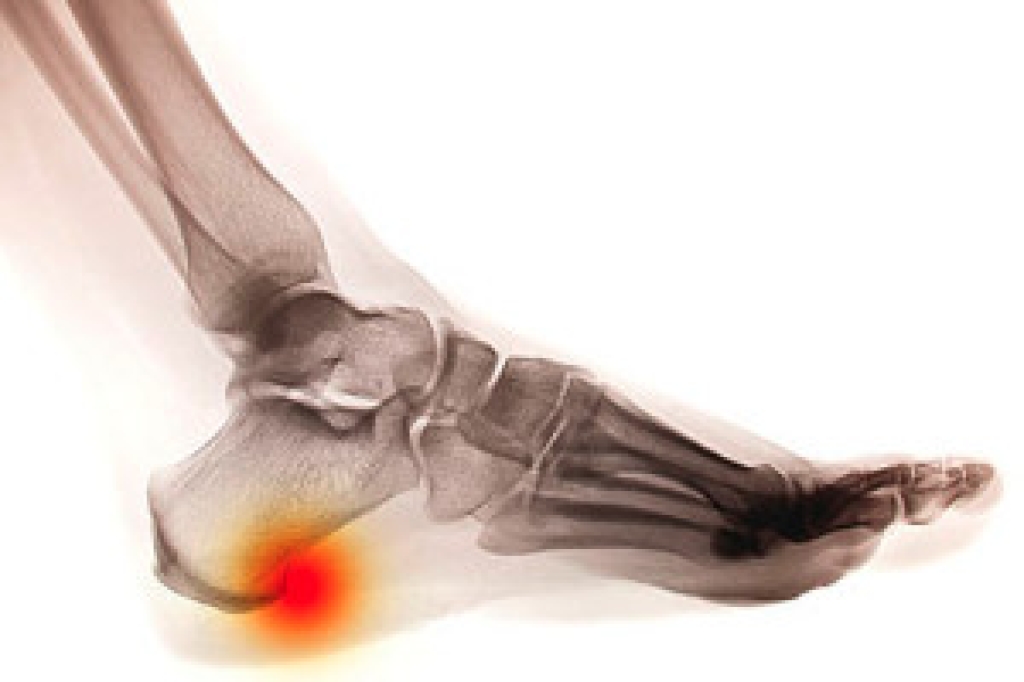
Heel spurs, a common foot condition, are bony outgrowths that form on the underside of the heel bone. They often develop in response to long-term strain on the foot's ligaments and muscles. While many individuals have heel spurs, not all experience pain. When pain does occur, it is generally due to the inflammation of the surrounding tissues, a condition known as plantar fasciitis. The symptoms of heel spurs can include sharp, stabbing pain in the heel, especially while walking or standing after periods of rest. The pain tends to improve as the foot warms up but may return after prolonged activity. Risk factors for heel spurs include obesity, wearing poor-fitting or worn-out shoes, and activities that place excessive strain on the feet, such as running and prolonged standing. Diagnosis and treatment may involve having X-rays taken to confirm the presence of a heel spur. Understanding heel spurs and their management options is vital for individuals seeking relief from this often painful condition. If you have developed a heel spur, it is suggested that you consult a podiatrist who can determine if it is mild or severe, and offer treatment options that are right for you.

Heel spurs can be incredibly painful and sometimes may make you unable to participate in physical activities. To get medical care for your heel spurs, contact Peter Siroka, DPM from Connecticut. Our doctor will do everything possible to treat your condition.

Heels Spurs

Heel spurs are formed by calcium deposits on the back of the foot where the heel is. This can also be caused by small fragments of bone breaking off one section of the foot, attaching onto the back of the foot. Heel spurs can also be bone growth on the back of the foot and may grow in the direction of the arch of the foot.

Older individuals usually suffer from heel spurs and pain sometimes intensifies with age. One of the main condition's spurs are related to is plantar fasciitis.

Pain

The pain associated with spurs is often because of weight placed on the feet. When someone is walking, their entire weight is concentrated on the feet. Bone spurs then have the tendency to affect other bones and tissues around the foot. As the pain continues, the feet will become tender and sensitive over time.

Treatments

There are many ways to treat heel spurs. If one is suffering from heel spurs in conjunction with pain, there are several methods for healing. Medication, surgery, and herbal care are some options.

If you have any questions, please feel free to contact our office located in Stamford, CT . We offer the newest diagnostic and treatment technologies for all your foot care needs.
Read more about Heel Spurs

What Causes Sever’s Disease?

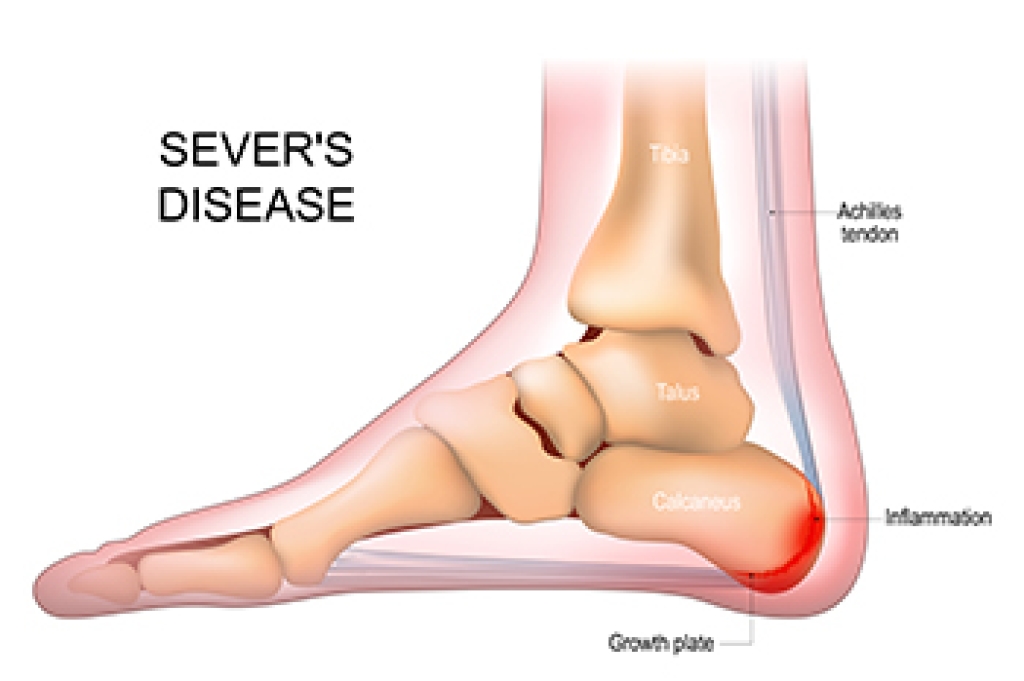
Sever's disease, also known as calcaneal apophysitis, is a common condition affecting children and adolescents. It occurs due to the inflammation of the growth plate in the heel bone, typically during the growth spurts of puberty. One of the primary causes of Sever's disease is the imbalance between the growth of the heel bone and the Achilles tendon. This imbalance can result from intense physical activities, such as running or jumping, which put excessive stress on the heel area. The common symptoms of Sever's disease include heel pain, especially when walking or participating in sports. Pain is often worse during or after activities, and may be accompanied by limping. Swelling and tenderness in the affected heel are also common. It is essential to recognize these signs early, as a timely intervention may help to manage the condition and prevent long-term complications. If your child experiences persistent heel pain, it is suggested that you consult a podiatrist who can determine the appropriate course of treatment and ensure a healthy, pain-free adolescence.

Sever's disease often occurs in children and teens. If your child is experiencing foot or ankle pain, see Peter Siroka, DPM from Connecticut. Our doctor can treat your child’s foot and ankle needs.

Sever’s Disease

Sever’s disease is also known as calcaneal apophysitis, which is a medical condition that causes heel pain I none or both feet. The disease is known to affect children between the ages of 8 and 14.

Sever’s disease occurs when part of the child’s heel known as the growth plate (calcaneal epiphysis) is attached to the Achilles tendon. This area can suffer injury when the muscles and tendons of the growing foot do not keep pace with bone growth. Therefore, the constant pain which one experiences at the back of the heel will make the child unable to put any weight on the heel. The child is then forced to walk on their toes.

Symptoms

Acute pain – Pain associated with Sever’s disease is usually felt in the heel when the child engages in physical activity such as walking, jumping and or running.

Highly active – Children who are very active are among the most susceptible in experiencing Sever’s disease, because of the stress and tension placed on their feet.

If you have any questions, please feel free to contact our office located in Stamford, CT . We offer the newest diagnostic and treatment technologies for all your foot care needs.
Read more about Sever's Disease

Preventing Falls Is A Vital Concern for Every Age

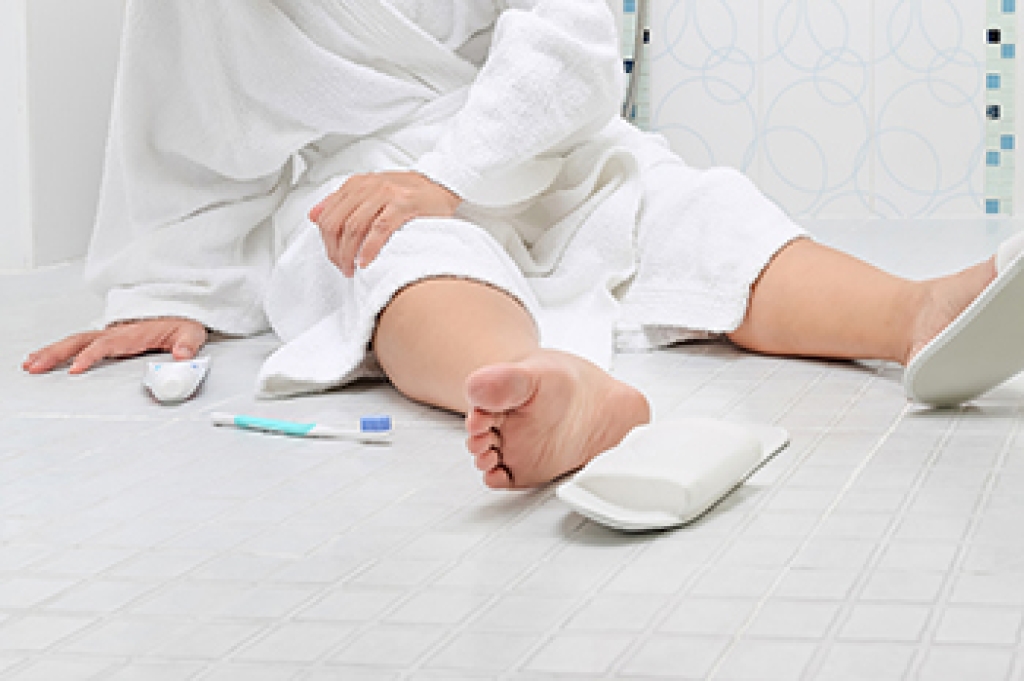
Falls can happen to anyone, regardless of age, and their consequences can be severe. Preventing falls is a critical consideration that extends beyond the elderly. Many factors contribute to falls, including environmental hazards, impaired vision, muscle weakness, and balance issues. One of the fundamental strategies for fall prevention is maintaining a healthy and active lifestyle. Regular exercise, which can improve strength and balance, is a key component. Additionally, assessing and eliminating potential hazards in your surroundings, such as loose rugs or cluttered walkways, is essential. Falling is not an inevitable part of aging, it is a preventable event through awareness, proactive measures, and a focus on health and safety, regardless of your age. Falling can seriously affect the feet. If you would like to have information about how to safeguard the feet from falling, it is suggested that you confer with a podiatrist, who is an expert in matters of the feet and ankles.

Preventing falls among the elderly is very important. If you are older and have fallen or fear that you are prone to falling, consult with Peter Siroka, DPM from Connecticut. Our doctor will assess your condition and provide you with quality advice and care.

Every 11 seconds, an elderly American is being treated in an emergency room for a fall related injury. Falls are the leading cause of head and hip injuries for those 65 and older. Due to decreases in strength, balance, senses, and lack of awareness, elderly persons are very susceptible to falling. Thankfully, there are a number of things older persons can do to prevent falls.

How to Prevent Falls

Some effective methods that older persons can do to prevent falls include:

  • Enrolling in strength and balance exercise program to increase balance and strength
  • Periodically having your sight and hearing checked
  • Discuss any medications you have with a doctor to see if it increases the risk of falling
  • Clearing the house of falling hazards and installing devices like grab bars and railings
  • Utilizing a walker or cane
  • Wearing shoes that provide good support and cushioning
  • Talking to family members about falling and increasing awareness

Falling can be a traumatic and embarrassing experience for elderly persons; this can make them less willing to leave the house, and less willing to talk to someone about their fears of falling. Doing such things, however, will increase the likelihood of tripping or losing one’s balance. Knowing the causes of falling and how to prevent them is the best way to mitigate the risk of serious injury.  

If you have any questions, please feel free to contact our office located in Stamford, CT . We offer the newest diagnostic and treatment technologies for all your foot care needs.

Read more about Falls Prevention

Connect With Us

scroll to top