
Foot Surgery for Rheumatoid Arthritis May Improve Mobility

Rheumatoid arthritis, abbreviated RA, is a chronic autoimmune condition that can severely impact the joints, including those in the feet. When conservative treatments fail to provide adequate relief, foot surgery becomes a viable option for managing RA and related foot deformities. Surgical procedures aim to correct joint alignment, reduce inflammation, and improve overall foot function. Common surgical interventions for RA in the feet include a synovectomy, which is the removal of the inflamed joint lining, tendon repair or transfer, joint fusion, and joint replacement. It's important to note that foot surgery for RA is considered a last resort when other treatments have proven ineffective. It is beneficial for patients to work closely with their podiatrist to determine the most suitable surgical approach based on individual needs and medical history. While foot surgery may involve a recovery period, it can significantly enhance mobility, reduce pain, and ultimately improve the quality of life for those living with RA. It is suggested that you consult with a podiatrist if this condition affects you.

Foot surgery is sometimes necessary to treat a foot ailment. To learn more, contact Peter Siroka, DPM of Connecticut. Our doctor will assist you with all of your foot and ankle needs.

When Is Surgery Necessary?

Foot and ankle surgery is generally reserved for cases in which less invasive, conservative procedures have failed to alleviate the problem. Some of the cases in which surgery may be necessary include:

  • Removing foot deformities like bunions and bone spurs
  • Severe arthritis that has caused bone issues
  • Cosmetic reconstruction

What Types of Surgery Are There?

The type of surgery you receive will depend on the nature of the problem you have. Some of the possible surgeries include:

  • Bunionectomy for painful bunions
  • Surgical fusion for realignment of bones
  • Neuropathy decompression surgery to treat nerve damage

Benefits of Surgery

Although surgery is usually a last resort, it can provide more complete pain relief compared to non-surgical methods and may allow you to finally resume full activity.

Surgical techniques have also become increasingly sophisticated. Techniques like endoscopic surgery allow for smaller incisions and faster recovery times.

If you have any questions, please feel free to contact our office located in Stamford, CT . We offer the newest diagnostic and treatment technologies for all your foot care needs.


Read more about Foot and Ankle Surgery

Running Safe and Strong to Prevent Injuries

Running is a fantastic way to stay fit and connect with the outdoors, but it's crucial to take preventive measures to avoid injuries that are related to running. First and foremost, start with a proper warm-up before each run to prepare your muscles and joints. Gradually increase the intensity and duration of your runs to allow your body to adapt. Invest in well-fitting, supportive running shoes to minimize impact on your feet and joints. Listen to your body, and if you experience any pain or discomfort, don't push through it. Cross-training can also be beneficial, as it helps to strengthen different muscle groups and prevents overuse injuries. Regularly incorporating stretching and flexibility exercises into your routine can improve overall body mobility. Lastly, It is helpful to recover and rest which can give your body ample time to heal and rejuvenate. If you would like additional information on how running injuries can affect the feet and how to prevent them, it is suggested that you visit a podiatrist.

Exercising your feet regularly with the proper foot wear is a great way to prevent injuries. If you have any concerns about your feet, contact Peter Siroka, DPM of Connecticut. Our doctor will treat your foot and ankle needs.

How to Prevent Running Injuries

Many common running injuries are caused by overuse and overtraining. When the back of the kneecap starts wearing out and starts causing pain in your knee, this is commonly referred to as runner’s knee. Runner’s knee is a decrease in strength in your quadriceps and can occur if you’re not wearing properly fitted or supporting shoes. To prevent runner’s knee, focusing on hip strengthening is a good idea, as well as strengthening your quads to keep the kneecaps aligned.

What Are Some Causes of Running Injuries? 
- One cause of a common running injury is called iliotibial band syndrome.
- Plantar fasciitis is also another common injury.
- Stress fractures can occur from overtraining, lack of calcium, or even your running style.

Best Ways to Prevent Running Injuries
- Wear footwear that fits properly and suits your running needs.
- Running shoes are the only protective gear that runners have to safeguard them from injury.
- Make a training schedule. Adding strengthening exercises as well as regular stretching can help keep you strong and limber and can lessen the possibility of injuries.
- Stretching keeps muscles limber; this will help you gain better flexibility.

If you have any questions, please feel free to contact our office located in Stamford, CT . We offer the newest diagnostic and treatment technologies for all your foot care needs.
Read more about How to Prevent Running Injuries

How to Practice Everyday Foot Care

The feet are often taken for granted, and they are sometimes a part of the body that gets the least respect. The feet are most likely to get injured from absorbing the body’s weight. They are responsible for various things, including providing us with mobility and balance. Many people wear shoes that do not fit correctly, and part of a good everyday foot care routine is to choose shoes that fit well. The day can begin by washing and drying the feet thoroughly, followed by applying a good moisturizer. It is beneficial to alternate pairs of shoes worn each day, and this can provide an opportunity to air the shoes out. Additionally, limiting the time flip-flops are worn can help the arch of the foot. Women who are pregnant may find their feet become swollen, and relief may be found when the feet are frequently elevated. If you would like additional tips on everyday foot care, it is suggested that you consult a podiatrist who can provide you with useful information.

Everyday foot care is very important to prevent infection and other foot ailments. If you need your feet checked, contact Peter Siroka, DPM from Connecticut. Our doctor can provide the care you need to keep you pain-free and on your feet.

Everyday Foot Care

Often, people take care of their bodies, face and hair more so than they do for their feet. But the feet are a very important aspect of our bodies, and one that we should pay more attention to. Without our feet, we would not be able to perform most daily tasks.

It is best to check your feet regularly to make sure there are no new bruises or cuts that you may not have noticed before. For dry feet, moisturizer can easily be a remedy and can be applied as often as necessary to the affected areas. Wearing shoes that fit well can also help you maintain good foot health, as well as making it easier to walk and do daily activities without the stress or pain of ill-fitting shoes, high heels, or even flip flops. Wearing clean socks with closed shoes is important to ensure that sweat and bacteria do not accumulate within the shoe. Clean socks help to prevent Athlete’s foot, fungi problems, bad odors, and can absorb sweat.

If you have any questions, please feel free to contact our office located in Stamford, CT . We offer the newest diagnostic and treatment technologies for all your foot care needs.

Read more about Every Day Foot Care

Specific Foods Can Be Linked to Gout Attacks

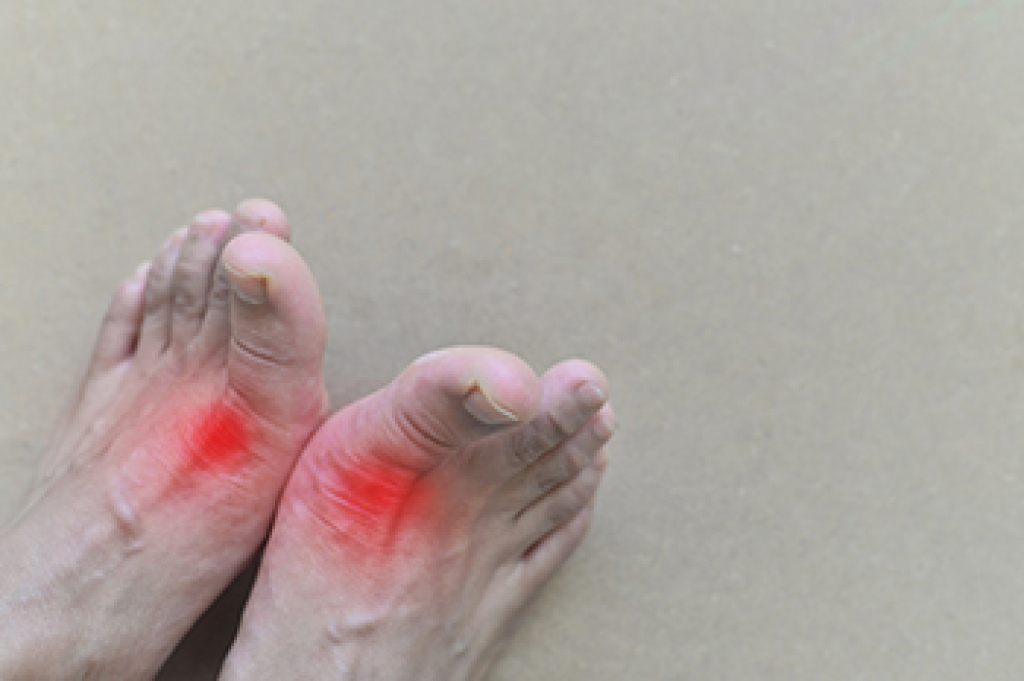
Gout is defined as a foot condition that can cause severe pain and discomfort. It often targets the joints in the big toe and is caused by an excess level of uric acid. Eating foods that have high levels of purines may cause uric acid levels to rise and convert to crystals that lodge in the joints of the toes. There are trigger foods that can be avoided in patients who have gout, and this may reduce the number of painful gout attacks. Red meat can fall into this category, and frequently eating this food can increase the chances of getting gout. Many people think honey is an alternative to processed sugar, however, it also contains a large amount of uric acid. There are certain types of seafood that have high levels of purines. These can consist of shellfish, sardines, anchovies, and scallops, and gout patients are advised to eat infrequent or small amounts of these types of seafood. If you would like more information about what type of foods can trigger gout attacks, it is suggested that you confer with a podiatrist who can provide you with healthy food choices to choose from.

Gout is a painful condition that can be treated. If you are seeking treatment, contact Peter Siroka, DPM from Connecticut. Our doctor will treat your foot and ankle needs.

What Is Gout?

Gout is a form of arthritis that is characterized by sudden, severe attacks of pain, redness, and tenderness in the joints. The condition usually affects the joint at the base of the big toe. A gout attack can occur at any random time, such as the middle of the night while you are asleep.

Symptoms

  • Intense Joint Pain - Usually around the large joint of your big toe, and it most severe within the first four to twelve hours
  • Lingering Discomfort - Joint discomfort may last from a few days to a few weeks
  • Inflammation and Redness -Affected joints may become swollen, tender, warm and red
  • Limited Range of Motion - May experience a decrease in joint mobility

Risk Factors

  • Genetics - If family members have gout, you’re more likely to have it
  • Medications - Diuretic medications can raise uric acid levels
  • Gender/Age - Gout is more common in men until the age of 60. It is believed that estrogen protects women until that point
  • Diet - Eating red meat and shellfish increases your risk
  • Alcohol - Having more than two alcoholic drinks per day increases your risk
  • Obesity - Obese people are at a higher risk for gout

Prior to visiting your podiatrist to receive treatment for gout, there are a few things you should do beforehand. If you have gout you should write down your symptoms--including when they started and how often you experience them, important medical information you may have, and any questions you may have. Writing down these three things will help your podiatrist in assessing your specific situation so that he or she may provide the best route of treatment for you.

If you have any questions, please feel free to contact our office located in Stamford, CT . We offer the newest diagnostic and treatment technologies for all your foot care needs.
Read more about Gout

Ankle Fracture? Don’t Wait for Treatment

If you're suffering from an ankle fracture, professional attention shouldn't wait. Fractures may worsen over time and can make completing everyday activities incredibly difficult. See your specialist for treatment and guidance through the healing process. 

Morton’s Neuroma and High Heels

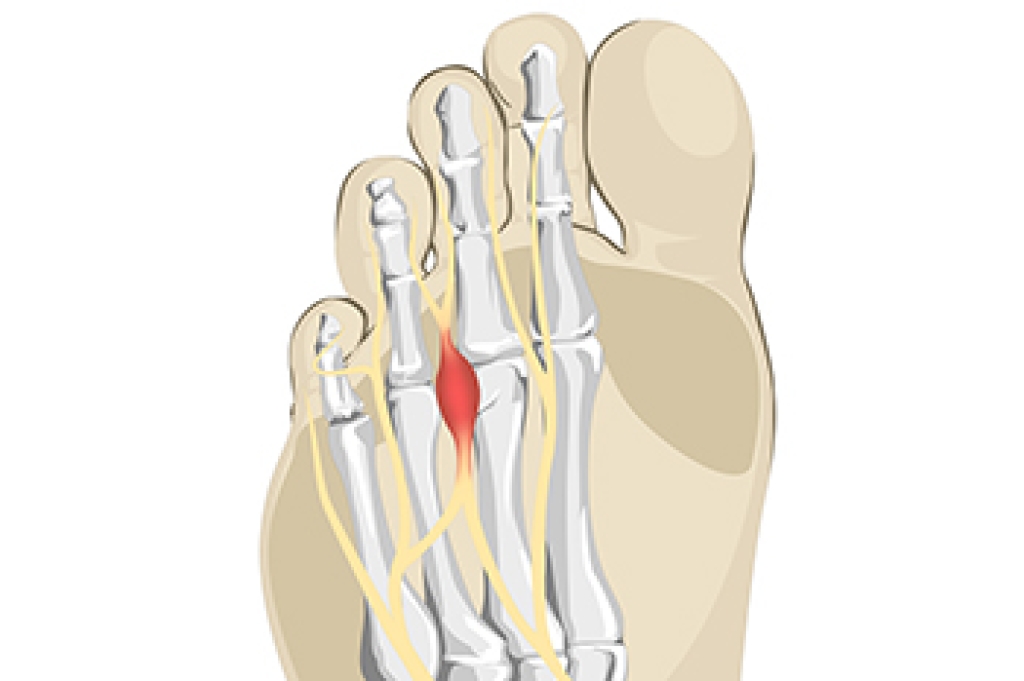
Some people feel the sensation of having a small pebble in their sock or shoe, and this can be a symptom of the foot condition known as Morton’s neuroma. It can develop as a result of wearing shoes that do have enough room in the toe area to move freely in. High heels can fall into this category and can affect women who frequently wear this type of shoe. This ailment affects the nerve between the third and fourth toes and can cause severe pain and discomfort. The nerve can become compressed and irritated, and mild relief may be felt when the shoes that are worn have a wider toe box. This condition will not improve when high heels are consistently worn, and surgery may be necessary to remove or repair the nerve. Patients may find some relief when anti-inflammatory medications are taken and the affected foot is massaged. If you have pain in this part of your foot, it is suggested that you visit a podiatrist who can diagnose and treat Moton’s neuroma. 

Morton’s neuroma is a very uncomfortable condition to live with. If you think you have Morton’s neuroma, contact Peter Siroka, DPM of Connecticut. Our doctor will attend to all of your foot care needs and answer any of your related questions.  

Morton’s Neuroma

Morton's neuroma is a painful foot condition that commonly affects the areas between the second and third or third and fourth toe, although other areas of the foot are also susceptible. Morton’s neuroma is caused by an inflamed nerve in the foot that is being squeezed and aggravated by surrounding bones.

What Increases the Chances of Having Morton’s Neuroma?

  • Ill-fitting high heels or shoes that add pressure to the toe or foot
  • Jogging, running or any sport that involves constant impact to the foot
  • Flat feet, bunions, and any other foot deformities

Morton’s neuroma is a very treatable condition. Orthotics and shoe inserts can often be used to alleviate the pain on the forefront of the feet. In more severe cases, corticosteroids can also be prescribed. In order to figure out the best treatment for your neuroma, it’s recommended to seek the care of a podiatrist who can diagnose your condition and provide different treatment options.

If you have any questions, please feel free to contact our office located in Stamford, CT . We offer the newest diagnostic and treatment technologies for all your foot care needs.
Read more about Morton's Neuroma

Several Reasons Heel Pain Can Develop

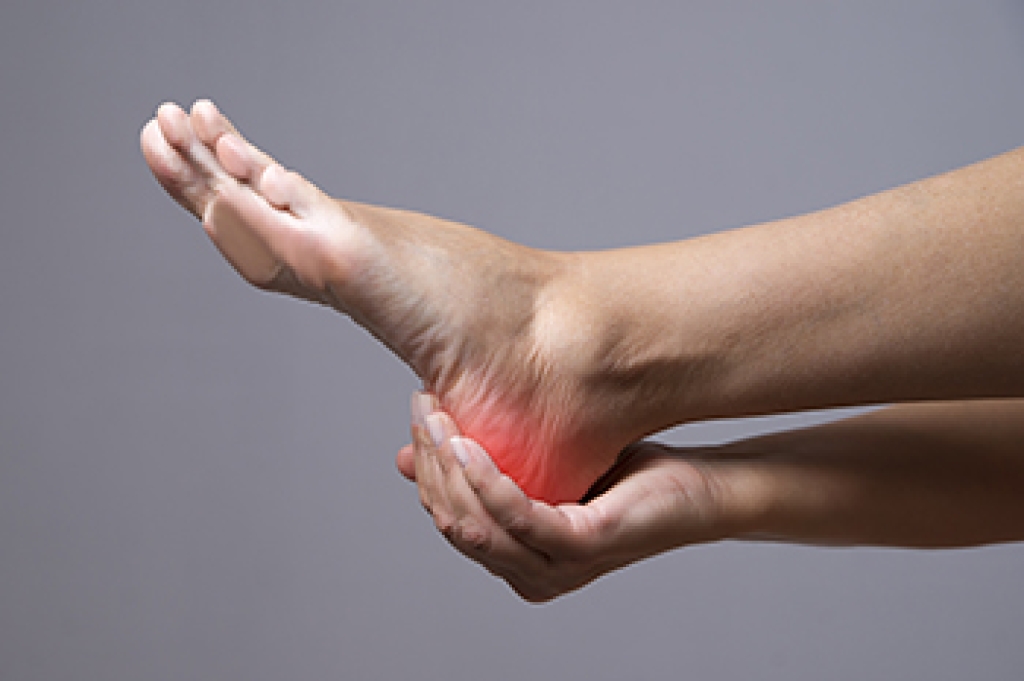
The heel is an interesting part of the foot. It is a cushioned area that is formed with fatty tissue and is able to hold the weight of the body. Patients may experience heel pain for various reasons. These can include frequently standing or walking on hard surfaces, becoming obese, or if a foot injury has occurred. The condition that is known as plantar fasciitis affects the heel and can be painful. It can happen as a result of an irritated plantar fascia, which is the portion of tissue on the sole of the foot that connects the heel to the toes. This can become injured or torn, and medical attention is often sought for relief. Heel pain can also happen from wearing shoes that do not fit correctly, or if a heel spur has developed. If you have heel pain, it is strongly suggested that you consult a podiatrist who can correctly determine what the cause is, and offer effective treatment options.

Many people suffer from bouts of heel pain. For more information, contact Peter Siroka, DPM of Connecticut. Our doctor can provide the care you need to keep you pain-free and on your feet.

Causes of Heel Pain

Heel pain is often associated with plantar fasciitis. The plantar fascia is a band of tissues that extends along the bottom of the foot. A rip or tear in this ligament can cause inflammation of the tissue.

Achilles tendonitis is another cause of heel pain. Inflammation of the Achilles tendon will cause pain from fractures and muscle tearing. Lack of flexibility is also another symptom.

Heel spurs are another cause of pain. When the tissues of the plantar fascia undergo a great deal of stress, it can lead to ligament separation from the heel bone, causing heel spurs.

Why Might Heel Pain Occur?

  • Wearing ill-fitting shoes                
  • Wearing non-supportive shoes
  • Weight change           
  • Excessive running

Treatments

Heel pain should be treated as soon as possible for immediate results. Keeping your feet in a stress-free environment will help. If you suffer from Achilles tendonitis or plantar fasciitis, applying ice will reduce the swelling. Stretching before an exercise like running will help the muscles. Using all these tips will help make heel pain a condition of the past.

If you have any questions, please feel free to contact our office located in Stamford, CT . We offer the newest diagnostic and treatment technologies for all your foot care needs.
Read more about Heel Pain

Heel Blisters

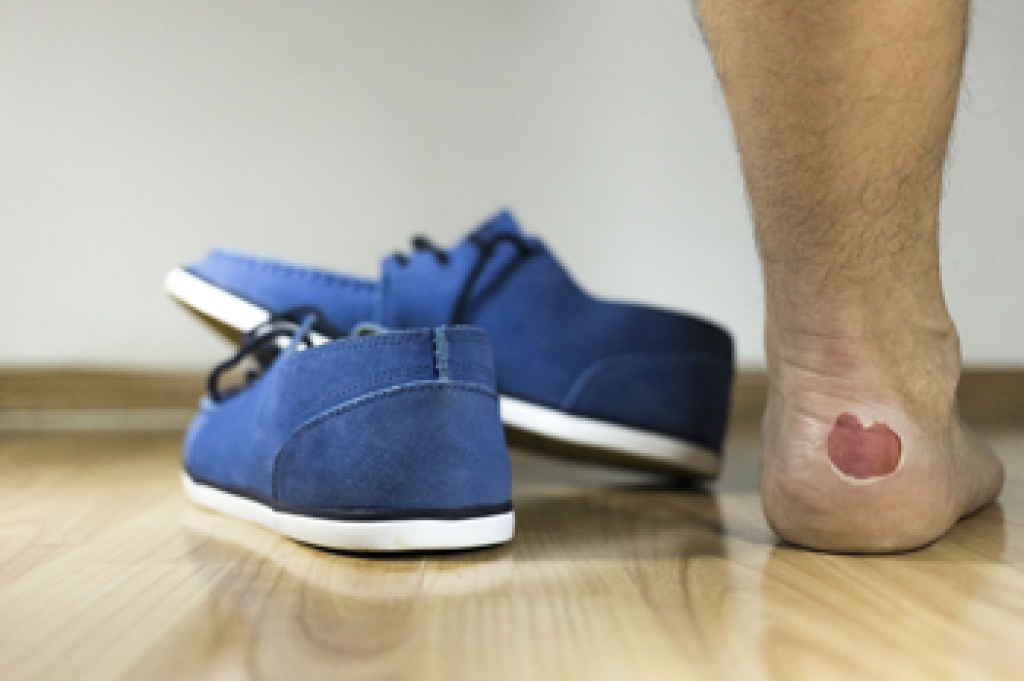
Sometimes, when an individual purchases a new pair of shoes and wears them for the first time, a blister can develop on the back of their heels where the material rubs up against the skin. Although blisters can sometimes be small, they can cause a person great discomfort and pain. Heel blisters form essentially because of the friction against the skin. This is why it is essential for individuals to ensure that they are purchasing footwear that fits correctly in the first place. Shoes ought to be spacious enough that the toes and heels have sufficient room. However, shoes should not be so big that the feet ultimately fall out of the shoes. If you are someone that is currently struggling with blisters, it is suggested that you schedule an appointment with a podiatrist today about any potential treatment and prevention plans.

Blisters are prone to making everyday activities extremely uncomfortable. If your feet are hurting, contact Peter Siroka, DPM of Connecticut. Our doctor can provide the care you need to keep you pain-free and on your feet.

Foot Blisters

Foot blisters develop as a result of constantly wearing tight or ill-fitting footwear. This happens due to the constant rubbing from the shoe, which can often lead to pain.

What Are Foot Blisters?

A foot blister is a small fluid-filled pocket that forms on the upper-most layer of the skin. Blisters are filled with clear fluid and can lead to blood drainage or pus if the area becomes infected.

How Do Blisters Form?

Blisters on the feet are often the result of constant friction of skin and material, usually by shoe rubbing. Walking in sandals, boots, or shoes that don’t fit properly for long periods of time can result in a blister. Having consistent foot moisture and humidity can easily lead to blister formation.

Prevention & Treatment

It is important to properly care for the affected area in order to prevent infection and ease the pain. Do not lance the blister and use a Band-Aid to provide pain relief. Also, be sure to keep your feet dry and wear proper fitting shoes. If you see blood or pus in a blister, seek assistance from a podiatrist.

If you have any questions, please feel free to contact our office located in Stamford, CT . We offer the newest diagnostic and treatment technologies for all your foot care needs.
Read more about Blisters

How Is a Broken Ankle Diagnosed?

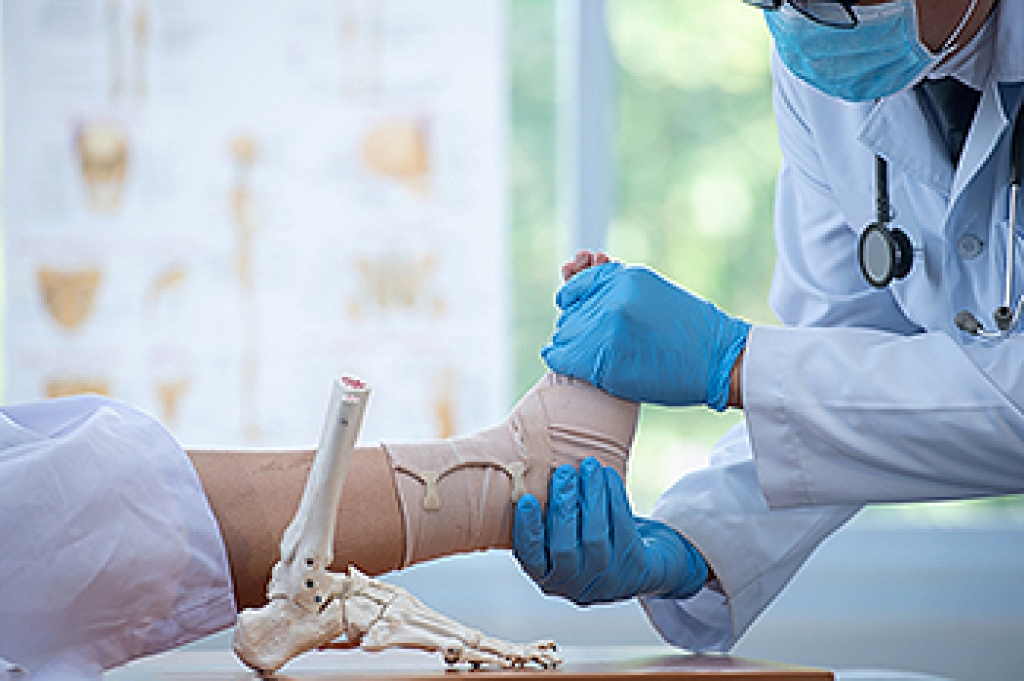
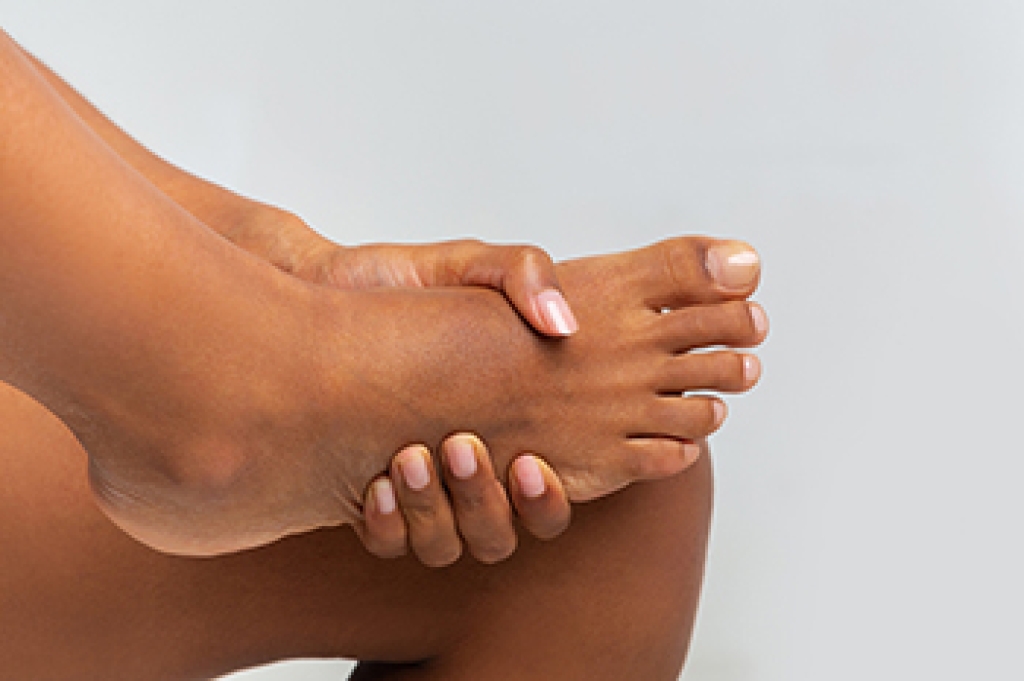
There is no doubting what happens when a broken ankle occurs. This foot condition happens suddenly and is accompanied by extreme pain and discomfort. It is often difficult, if not impossible, to walk, and immediate medical attention is often sought for relief. The ankle is composed of three bones. The tibia is the large bone in the lower leg, referred to as the shinbone. The calf bone is called the fibula and is the smaller bone in the lower leg. The bone found between the heel bone, tibia, and fibula is known as the talus, and any of these bones can be fractured in the ankle. A diagnosis is often performed that can consist of having an X-ray taken, which successfully determines the severity of the injury. It is beneficial to keep weight off the foot as much as possible and wear a protective boot or cast. Many people use crutches to help provide mobility until the healing process has been completed. If you have broken your ankle, it is suggested that you contact a podiatrist as quickly as possible who can effectively treat this condition.

Broken ankles need immediate treatment. If you are seeking treatment, contact Peter Siroka, DPM from Connecticut. Our doctor can provide the care you need to keep you pain-free and on your feet. 

Broken Ankles
A broken ankle is experienced when a person fractures their tibia or fibula in the lower leg and ankle area. Both of these bones are attached at the bottom of the leg and combine to form what we know to be our ankle.

When a physician is referring to a break of the ankle, he or she is usually referring to a break in the area where the tibia and fibula are joined to create our ankle joint. Ankles are more prone to fractures because the ankle is an area that suffers a lot of pressure and stress. There are some obvious signs when a person experiences a fractured ankle, and the following symptoms may be present.

Symptoms of a Fractured Ankle

  • Excessive pain when the area is touched or when any pressure is placed on the ankle
  • Swelling around the area
  • Bruising of the area
  • Area appears to be deformed

If you suspect an ankle fracture, it is recommended to seek treatment as soon as possible. The sooner you have your podiatrist diagnose the fracture, the quicker you’ll be on the way towards recovery.

If you have any questions, please feel free to contact our office located in Stamford, CT . We offer the newest diagnostic and treatment technologies for all your foot care needs.
Read more about All About Broken Ankles

Relief for Sore Feet

Given the importance of our feet in getting through life comfortably and maintaining independence, it is wise to practice good foot care. There are things that can be done on a regular basis that can rejuvenate the feet. These can include taking a warm foot bath to relieve sore, aching muscles, and performing stretching and strengthening exercises to prevent cramping. Additionally, regular stretching may improve flexibility and foot strength. Having foot massages done may help to relieve soreness and improve circulation. Wearing shoes that fit well and are appropriate for the activities that are practiced can also help to keep the feet stable while standing and walking, in addition to possibly eliminating pain. If you have injured your foot or you are experiencing chronic foot pain, it is suggested that you visit a podiatrist who can diagnose the reason, and provide correct treatment options.

Foot Pain

Foot pain can be extremely painful and debilitating. If you have a foot pain, consult with Peter Siroka, DPM from Connecticut. Our doctor will assess your condition and provide you with quality foot and ankle treatment.

Causes

Foot pain is a very broad condition that could be caused by one or more ailments. The most common include:

  • Bunions
  • Hammertoes
  • Plantar Fasciitis
  • Bone Spurs
  • Corns
  • Tarsal Tunnel Syndrome
  • Ingrown Toenails
  • Arthritis (such as Gout, Rheumatoid, and Osteoarthritis)
  • Flat Feet
  • Injury (from stress fractures, broken toe, foot, ankle, Achilles tendon ruptures, and sprains)
  • And more

Diagnosis

To figure out the cause of foot pain, podiatrists utilize several different methods. This can range from simple visual inspections and sensation tests to X-rays and MRI scans. Prior medical history, family medical history, and any recent physical traumatic events will all be taken into consideration for a proper diagnosis.

Treatment

Treatment depends upon the cause of the foot pain. Whether it is resting, staying off the foot, or having surgery; podiatrists have a number of treatment options available for foot pain.

If you have any questions, please feel free to contact our office located in Stamford, CT . We offer the newest diagnostic and treatment technologies for all your foot care needs.

Read more about Foot Pain

Connect With Us

scroll to top