Explaining the Arches of the Foot

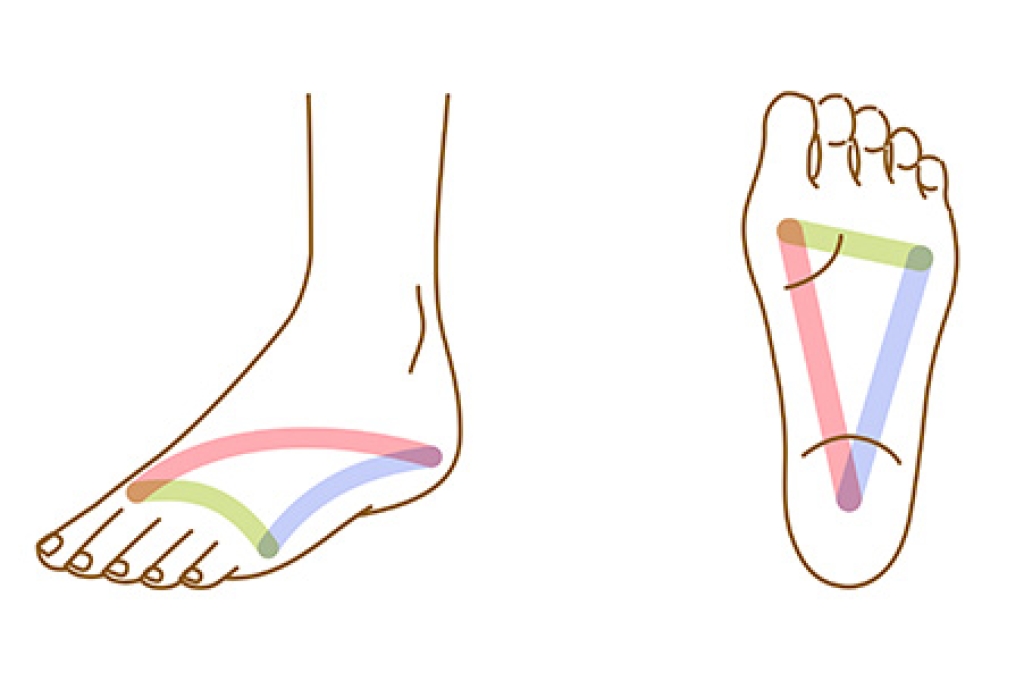
The arches of the foot act like a built-in support system that helps the body move efficiently. The three arches include a higher inner arch, a flatter outer arch, and an arch that runs across the ball of the foot. Together, they form a spring-like structure that carries body weight, absorbs impact, and returns energy with each step. Bones create the framework of the arches, while ligaments and tendons hold them together and allow controlled flexibility during walking and running. Problems develop when arches are too low or too high, which can place strain on the heel, mid-foot, or forefoot and change alignment. A podiatrist can evaluate arch structure, foot mechanics, and walking patterns, provide a diagnosis and treatment to reduce stress and restore balance. If you have pain in the arches of the feet, it is suggested that you make an appointment with a podiatrist for an exam, diagnosis, and treatment.

If you have any concerns about your feet, contact Peter Siroka, DPM from Connecticut. Our doctor can provide the care you need to keep you pain-free and on your feet.

Biomechanics in Podiatry

Podiatric biomechanics is a particular sector of specialty podiatry with licensed practitioners who are trained to diagnose and treat conditions affecting the foot, ankle and lower leg. Biomechanics deals with the forces that act against the body, causing an interference with the biological structures. It focuses on the movement of the ankle, the foot and the forces that interact with them.

A History of Biomechanics

  • Biomechanics dates back to the BC era in Egypt where evidence of professional foot care has been recorded.
  • In 1974, biomechanics gained a higher profile from the studies of Merton Root, who claimed that by changing or controlling the forces between the ankle and the foot, corrections or conditions could be implemented to gain strength and coordination in the area.

Modern technological improvements are based on past theories and therapeutic processes that provide a better understanding of podiatric concepts for biomechanics. Computers can provide accurate information about the forces and patterns of the feet and lower legs.

Understanding biomechanics of the feet can help improve and eliminate pain, stopping further stress to the foot.

If you have any questions please feel free to contact our office located in Stamford, CT . We offer the newest diagnostic and treatment technologies for all your foot and ankle needs.


Read more about Biomechanics in Podiatry

What Wear Patterns on Walking Shoes Can Reveal

The bottoms and sides of walking shoes often show clear signs of how the feet move and bear weight. Uneven wear along the outer edge may suggest that weight rolls outward during each step, while heavy wear on the inner sole can point to inward rolling. Excessive breakdown at the heel may indicate hard heel striking, which can increase stress on the lower legs. Wear concentrated under the ball of the foot may reflect increased forefoot pressure or toe driven push off. The upper part of the shoe can also offer clues. Stretching, creasing, or breakdown in certain areas may signal toe crowding or joint stiffness. Over time, these patterns can contribute to discomfort in the feet, ankles, knees, or back. When shoes wear unevenly or pain develops during walking, it is suggested that you see a podiatrist who can treat various foot conditions, in addition to evaluating your gait and foot mechanics.

Foot Pain

Foot pain can be extremely painful and debilitating. If you have a foot pain, consult with Peter Siroka, DPM from Connecticut. Our doctor will assess your condition and provide you with quality foot and ankle treatment.

Causes

Foot pain is a very broad condition that could be caused by one or more ailments. The most common include:

  • Bunions
  • Hammertoes
  • Plantar Fasciitis
  • Bone Spurs
  • Corns
  • Tarsal Tunnel Syndrome
  • Ingrown Toenails
  • Arthritis (such as Gout, Rheumatoid, and Osteoarthritis)
  • Flat Feet
  • Injury (from stress fractures, broken toe, foot, ankle, Achilles tendon ruptures, and sprains)
  • And more

Diagnosis

To figure out the cause of foot pain, podiatrists utilize several different methods. This can range from simple visual inspections and sensation tests to X-rays and MRI scans. Prior medical history, family medical history, and any recent physical traumatic events will all be taken into consideration for a proper diagnosis.

Treatment

Treatment depends upon the cause of the foot pain. Whether it is resting, staying off the foot, or having surgery; podiatrists have a number of treatment options available for foot pain.

If you have any questions, please feel free to contact our office located in Stamford, CT . We offer the newest diagnostic and treatment technologies for all your foot care needs.

Read more about Foot Pain

Benefits of Foot Exercises

Foot exercises support strength, flexibility, and coordination in the feet, toes, and ankles after pain or injury. Controlled movement encourages circulation, helps tissues recover, and improves joint motion needed for walking and balance. Gentle strengthening of the toes and arch muscles can improve stability at the ankle and reduce stress on joints during daily activity. Stretching motions can improve range of motion and support smoother foot mechanics over the long-term. Progress should be gradual, with attention to discomfort so movement stays within a tolerable range as the foot adapts. Consistent practice can make movements easier over time and help restore confidence with standing and walking. A podiatrist can evaluate foot mechanics and safely guide appropriate exercise selection. If you are experiencing foot pain, it is suggested that you make an appointment with a podiatrist for a diagnosis and options for help.

Exercising your feet regularly with the proper foot wear is a great way to prevent injuries and build strength. If you have any concerns about your feet, contact Peter Siroka, DPM from Connecticut. Our doctor can provide the care you need to keep you pain-free and on your feet.

Exercise for Your Feet

Exercise for your feet can help you gain strength, mobility and flexibility in your feet. They say that strengthening your feet can be just as rewarding as strengthening another part of the body. Your feet are very important, and we often forget about them in our daily tasks. But it is because of our feet that are we able to get going and do what we need to. For those of us fortunate enough to not have any foot problems, it is an important gesture to take care of them to ensure good health in the long run.

Some foot health exercises can include ankle pumps, tip-toeing, toe rises, lifting off the floor doing reps and sets, and flexing the toes. It is best to speak with Our doctor to determine an appropriate regimen for your needs. Everyone’s needs and bodies are different, and the activities required to maintain strength in the feet vary from individual to individual. 

Once you get into a routine of doing regular exercise, you may notice a difference in your feet and how strong they may become.

If you have any questions, please feel free to contact our office located in Stamford, CT . We offer the newest diagnostic and treatment technologies for all your foot care needs.

Read more about Exercise for Your Feet

Foot Stress Fractures in Runners and How to Prevent Them

Foot stress fractures are tiny cracks in bone caused by repeated impact and overuse rather than a single injury. Runners are especially prone to them because of repetitive loading during training and limited recovery time. Poor training habits, such as rapid mileage increases or lack of rest, can overload the bones. Stress fractures commonly affect the metatarsals, or long foot bones in the forefoot, and may also involve the tibia or shin bone in the lower leg. Female runners may face added risk due to low bone mineral density, which can be influenced by hormonal factors and a low-fat diet that limits bone support. Pain often starts gradually and worsens with activity. A podiatrist can diagnose the injury, guide rest and protection, address training errors, and recommend footwear or orthotics. If running pain persists or intensifies, it is suggested that you schedule a visit with a podiatrist who can offer effective treatment solutions, helping you to run safely.

Activities where too much pressure is put on the feet can cause stress fractures. To learn more, contact Peter Siroka, DPM from Connecticut. Our doctor can provide the care you need to keep your pain free and on your feet.

Dealing with Stress Fractures of the Foot and Ankle

Stress fractures occur in the foot and ankle when muscles in these areas weaken from too much or too little use.  The feet and ankles then lose support when walking or running from the impact of the ground. Since there is no protection, the bones receive the full impact of each step. Stress on the feet can cause cracks to form in the bones, thus creating stress fractures.

What Are Stress Fractures?

Stress fractures occur frequently in individuals whose daily activities cause great impact on the feet and ankles. Stress factors are most common among:

  • Runners                                
  • People affected with Osteoporosis
  • Tennis or basketball players
  • Gymnasts
  • High impact workouts

Symptoms

Pain from the fractures occur in the area of the fractures and can be constant or intermittent. It will often cause sharp or dull pain with swelling and tenderness. Engaging in any kind of activity which involves high impact will aggravate pain.

If you have any questions please contact our office located in Stamford, CT . We offer the newest diagnostic and treatment technologies for all your foot and ankle needs.

Read more about Dealing with Stress Fractures of the Foot and Ankle

Connect With Us

scroll to top