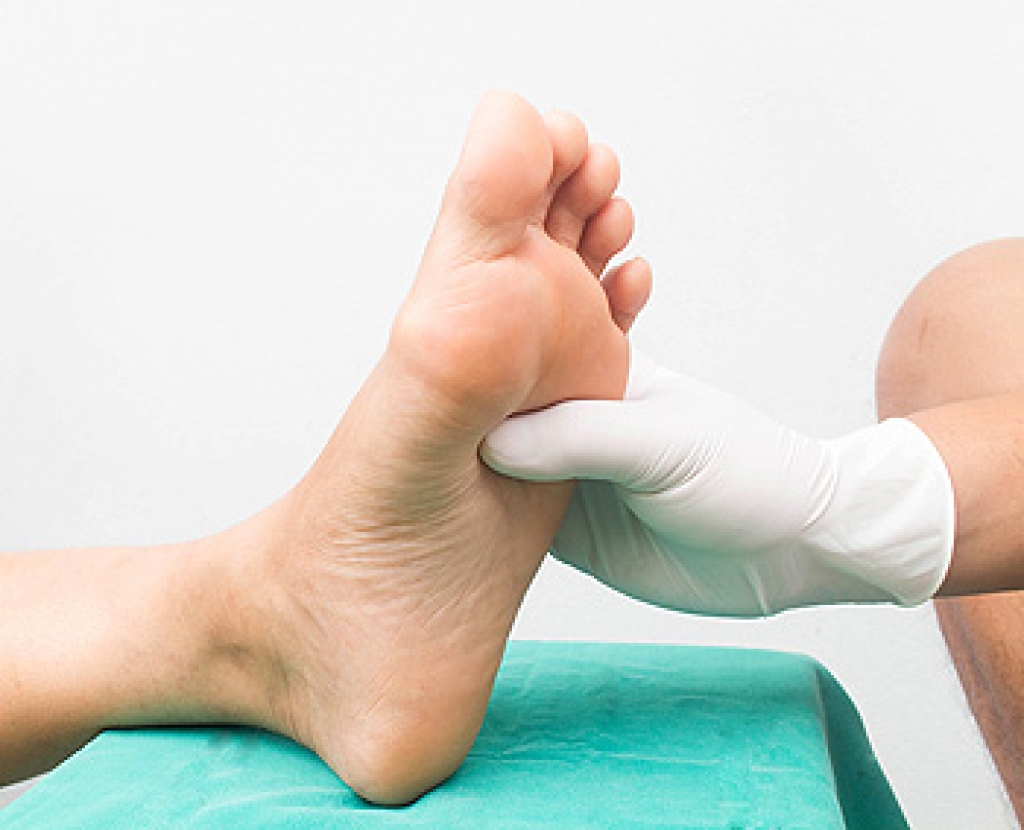
Why Does My Big Toe Hurt?

There are various reasons why pain in the big toe can happen. The foot condition that is known as gout causes sharp pain in the joints of the big toe. Many people notice the pain can begin at night, and happens as a result of excess uric acid that collects in the toe joints. Having an ingrown toenail can cause intense toe pain. This condition occurs when the nail grows into the skin of the side of the toe instead of over it, and can be accompanied by swelling, redness, and tenderness. The ligaments in the toe are affected when turf toe happens, and can be a common injury among athletes. A bony lump that forms on the side of the big toe may indicate a bunion has developed. The gradual movement of this toe may cause the other toes to shift toward each other, and larger shoes may need to be purchased. If you have toe pain, it is suggested that you confer with a podiatrist who can determine the cause and offer effective treatment solutions. 

Toe pain can disrupt your daily activities. If you have any concerns, contact Peter Siroka, DPM of Connecticut. Our doctor can provide the care you need to keep you pain-free and on your feet.

What Causes Toe Pain?

Most severe toe pain is caused due to a sports injury, trauma from dropping something heavy on the toe, or bumping into something rigid. Other problems can develop over time for various reasons.

Toe pain can be caused by one or more ailments. The most common include:

  • Trauma
  • Sports injury
  • Wearing shoes that are too tight
  • Arthritis
  • Gout
  • Corns and calluses
  • Hammertoe
  • Bunions
  • Blisters
  • Ingrown toenails
  • Sprains
  • Fractures (broken bones)
  • Dislocations

When to See a Podiatrist

  • Severe pain
  • Persistent pain that lasts more than a week
  • Signs of infection
  • Continued swelling
  • Pain that prevents walking

Diagnosis

In many cases the cause of toe pain is obvious, but in others, a podiatrist may want to use more advanced methods to determine the problem. These can range from simple visual inspections and sensation tests to X-rays and MRI scans. Prior medical history, family medical history, and any recent physical traumatic events will all be taken into consideration for a proper diagnosis.

Treatment

Treatments for toe pain and injuries vary and may include shoe inserts, padding, taping, medicines, injections, and in some cases, surgery. If you believe that you have broken a toe, please see a podiatrist as soon as possible.

If you have any questions please contact our office located in Stamford, CT . We offer the newest diagnostic and treatment technologies for all your foot and ankle needs.

Read more about Toe Pain

Painful Plantar Warts

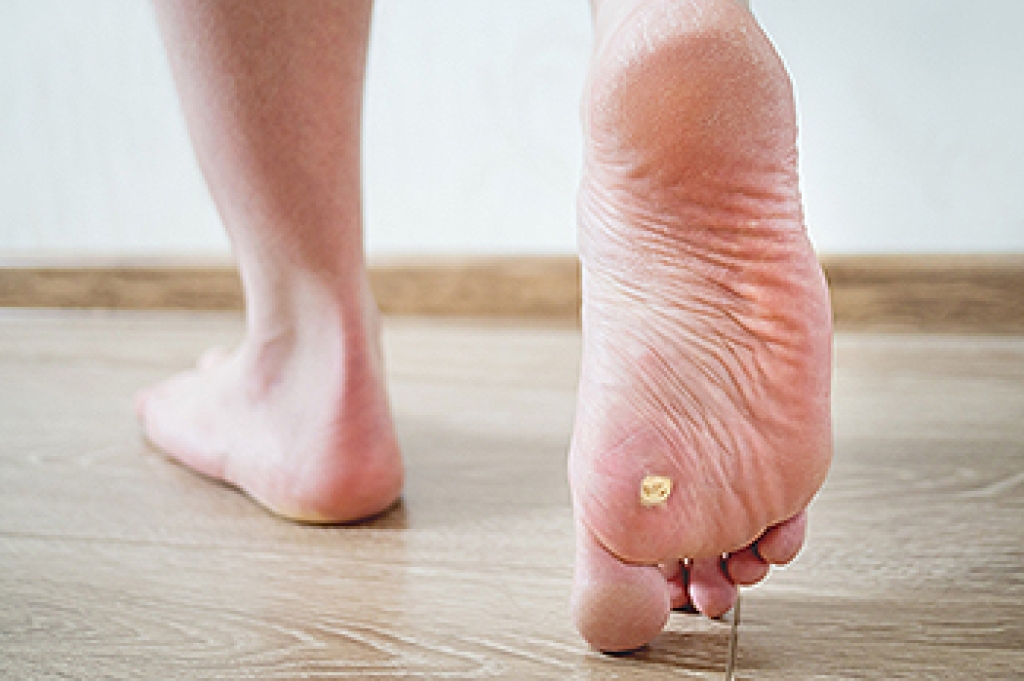
People who are afflicted with plantar warts may have difficulty walking. These growths are found on the soles of the feet and can cause severe pain and discomfort. This is a result of the consistent weight the feet endure while walking and standing during the day. Plantar warts are caused by a virus that is known as the human papillomavirus, or HPV. This virus is contagious, and lives in warm and moist environments. These can consist of public swimming pools, locker rooms, and shower room floors. It is beneficial to wear appropriate shoes while in these areas, such as flip flops or water shoes. This type of wart will generally take several weeks or months to completely disappear. Many patients seek treatment to relieve the pain, which may include removal for faster relief. If you have a plantar wart, it is suggested that you speak to a podiatrist who can guide you toward the treatment that is correct for you.

Plantar warts can be very uncomfortable. If you need your feet checked, contact Peter Siroka, DPM from Connecticut. Our doctor will assist you with all of your foot and ankle needs.

About Plantar Warts

Plantar warts are the result of HPV, or human papillomavirus, getting into open wounds on the feet. They are mostly found on the heels or balls of the feet.

While plantar warts are generally harmless, those experiencing excessive pain or those suffering from diabetes or a compromised immune system require immediate medical care. Plantar warts are easily diagnosed, usually through scraping off a bit of rough skin or by getting a biopsy.

Symptoms

  • Lesions on the bottom of your feet, usually rough and grainy
  • Hard or thick callused spots
  • Wart seeds, which are small clotted blood vessels that look like little black spots
  • Pain, discomfort, or tenderness of your feet when walking or standing

Treatment

  • Freezing
  • Electric tool removal
  • Laser Treatment
  • Topical Creams (prescription only)
  • Over-the-counter medications

To help prevent developing plantar warts, avoid walking barefoot over abrasive surfaces that can cause cuts or wounds for HPV to get into. Avoiding direct contact with other warts, as well as not picking or rubbing existing warts, can help prevent the further spread of plantar warts. However, if you think you have developed plantar warts, speak to your podiatrist. He or she can diagnose the warts on your feet and recommend the appropriate treatment options.

If you have any questions, please feel free to contact our office located in Stamford, CT . We offer the newest diagnostic and treatment technologies for all your foot care needs.

Read more about All About Plantar Warts

Why Do Feet Fall Asleep During Pregnancy?

During a woman’s pregnancy, she might notice that her feet fall asleep frequently. In other words, she might notice that her feet often experience numbness or a pins-and-needles feeling. This is actually not an uncommon symptom that results from pregnancy. In fact, many women can experience this feeling in the feet at night or immediately upon waking in the morning. The reason why pregnancy can cause numbness in the feet is due to the fact that pregnancy can lead to nerve compression in this area. If you are someone that is pregnant or planning to be, it is suggested that you contact a podiatrist today. This foot specialist will be able to help the pregnant woman navigate feelings of numbness in the feet.

Pregnant women with swollen feet can be treated with a variety of different methods that are readily available. For more information about other cures for swollen feet during pregnancy, consult with Peter Siroka, DPM from Connecticut. Our doctor will attend to all of your foot and ankle needs.

What Foot Problems Can Arise During Pregnancy?

One problem that can occur is overpronation, which occurs when the arch of the foot flattens and tends to roll inward.  This can cause pain and discomfort in your heels while you’re walking or even just standing up, trying to support your baby.  

Another problem is edema, or swelling in the extremities. This often affects the feet during pregnancy but tends to occur in the later stages. 

How Can I Keep My Feet Healthy During Pregnancy?

  • Wearing orthotics can provide extra support for the feet and help distribute weight evenly
  • Minimize the amount of time spent walking barefoot
  • Wear shoes with good arch support
  • Wear shoes that allow for good circulation to the feet
  • Elevate feet if you experience swelling
  • Massage your feet
  • Get regular, light exercise, such as walking, to promote blood circulation to the feet

If you have any questions, please feel free to contact our office located in Stamford, CT . We offer the newest diagnostic and treatment technologies for all your foot care needs.

Read more about Pregnancy and Foot Health

Heel Pain in the Morning?

Heel pain can negatively affect your day-to-day life. Simple activities like walking can become incredibly uncomfortable or painful due to heel pain.

Don’t live with heel pain and get treated.

Warning Signs of Diabetic Neuropathy

Diabetic neuropathy is one of the more serious side effects of maintaining high blood sugar levels for a long period of time. Neuropathy brought on by diabetes is the result of damage to the peripheral nerves, blocking the messages that control sensation to the feet. The effect is numbness, tingling, burning pain, and a reduced ability to detect changes in temperature. Weakness in the lower limbs and feet may result in pain, which can be treated with a number of medications. Infections from sores on the feet are commonly associated with peripheral diabetic neuropathy. In many cases, these sores, cuts, or other injuries to the feet become ulcerated because the patient is unable to detect them. Therefore, taking the time each day to inspect the feet, especially the soles, is imperative to ward off further damage. Increasing the level of exercise is thought to be helpful, and some patients receive pain relief from electro-stimulation treatments. If you have diabetes and are experiencing problems in the feet, it is suggested that you make an appointment with a podiatrist for an exam and treatment options.

Diabetic foot care is important in preventing foot ailments such as ulcers. If you are suffering from diabetes or have any other concerns about your feet, contact Peter Siroka, DPM from Connecticut. Our doctor can provide the care you need to keep you pain-free and on your feet.

Diabetic Foot Care

Diabetes affects millions of people every year. The condition can damage blood vessels in many parts of the body, especially the feet. Because of this, taking care of your feet is essential if you have diabetes, and having a podiatrist help monitor your foot health is highly recommended.

The Importance of Caring for Your Feet

  • Routinely inspect your feet for bruises or sores.
  • Wear socks that fit your feet comfortably.
  • Wear comfortable shoes that provide adequate support.

Patients with diabetes should have their doctor monitor their blood levels, as blood sugar levels play such a huge role in diabetic care. Monitoring these levels on a regular basis is highly advised.

It is always best to inform your healthcare professional of any concerns you may have regarding your feet, especially for diabetic patients. Early treatment and routine foot examinations are keys to maintaining proper health, especially because severe complications can arise if proper treatment is not applied.

If you have any questions, please feel free to contact our office located in Stamford, CT . We offer the newest diagnostic and treatment technologies for all your foot care needs.

Read more about How to Care for Diabetic Foot

Connect With Us

scroll to top