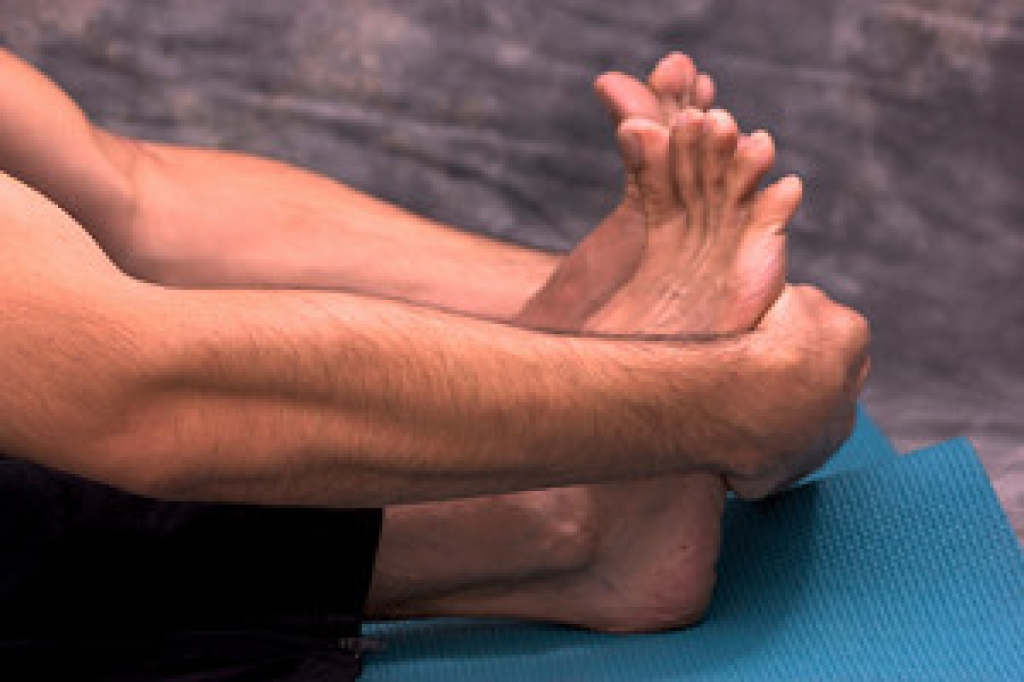
Foot Stretching May Help to Maintain Flexibility

Cultivating flexibility in the feet is a fundamental, yet often overlooked, aspect of maintaining overall foot health and preventing injuries. Stretching the feet not only enhances their range of motion but also helps in strengthening the muscles and tendons, thereby reducing the risk of injuries. Incorporating regular foot stretches into one's routine can contribute to improved flexibility, aiding the foot's adaptability to various movements. Flexible feet are better equipped to absorb shock and distribute pressure evenly during activities, mitigating the strain on joints and reducing the likelihood of injuries, such as sprains or stress fractures. Stretching exercises also promote better circulation and alleviate muscle tightness, fostering a more resilient foundation for the entire body. For information on foot stretches and how to perform them, it is suggested that you confer with a podiatrist.

Stretching the feet is a great way to prevent injuries. If you have any concerns with your feet consult with Peter Siroka, DPM from Connecticut. Our doctor will assess your condition and provide you with quality foot and ankle treatment.

Stretching the Feet

Stretching the muscles in the foot is an important part in any physical activity. Feet that are tight can lead to less flexibility and make you more prone to injury. One of the most common forms of foot pain, plantar fasciitis, can be stretched out to help ease the pain. Stretching can not only ease pain from plantar fasciitis but also prevent it as well. However, it is important to see a podiatrist first if stretching is right for you. Podiatrists can also recommend other ways to stretch your feet. Once you know whether stretching is right for you, here are some excellent stretches you can do.

  • Using a foam roller or any cylindrical object (a water bottle or soda can will do), roll the object under your foot back and forth. You should also exert pressure on the object. Be sure to do this to both feet for a minute. Do this exercise three times each.
  • Similar to the previous one, take a ball, such as a tennis ball, and roll it under your foot while seated and exert pressure on it.
  • Grab a resistance band or towel and take a seat. If you are using a towel, fold it length wise. Next put either one between the ball of your foot and heel and pull with both hands on each side towards you. Hold this for 15 seconds and then switch feet. Do this three times for each foot.
  • Finally hold your big toe while crossing one leg over the other. Pull the toe towards you and hold for 15 seconds. Once again do this three times per foot.

It is best to go easy when first stretching your foot and work your way up. If your foot starts hurting, stop exercising and ice and rest the foot. It is advised to then see a podiatrist for help.

If you have any questions please contact our office located in Stamford, CT . We offer the newest diagnostic and treatment technologies for all your foot and ankle needs.

Read more about Stretching Your Feet

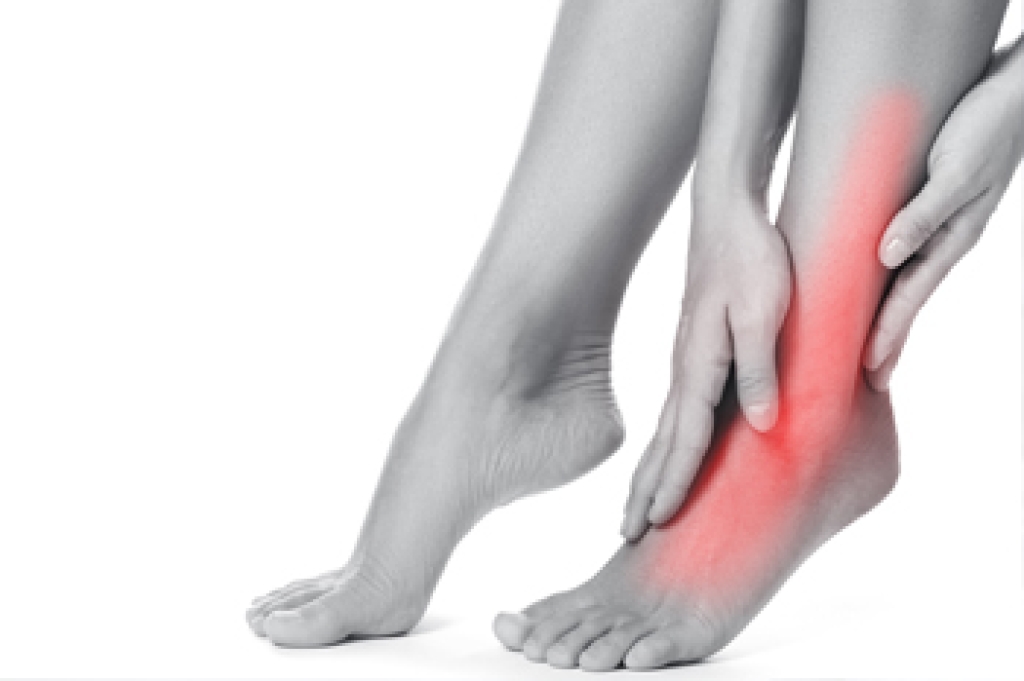
Diverse Causes of Foot Pain

Foot pain, a discomfort affecting individuals across various walks of life, can trace its roots to a multitude of causes. One common culprit is improper footwear, where shoes lacking proper support or fit can lead to a range of issues. Among them are corns and calluses as well as more severe conditions like plantar fasciitis. Strain and overuse, often associated with prolonged standing or engaging in high-impact activities, can contribute to fatigue and discomfort. Structural anomalies, including flat feet or high arches, may alter foot mechanics and induce pain. Injuries such as sprains, fractures, or ligament tears also play a role, necessitating attention and care. Additionally, arthritis and inflammatory conditions, along with systemic health issues like diabetes, may manifest in foot pain. If you are experiencing any type of foot pain, it is suggested that you visit a podiatrist who can pinpoint the cause and offer appropriate treatment options.

Foot Pain

Foot pain can be extremely painful and debilitating. If you have a foot pain, consult with Peter Siroka, DPM from Connecticut. Our doctor will assess your condition and provide you with quality foot and ankle treatment.

Causes

Foot pain is a very broad condition that could be caused by one or more ailments. The most common include:

  • Bunions
  • Hammertoes
  • Plantar Fasciitis
  • Bone Spurs
  • Corns
  • Tarsal Tunnel Syndrome
  • Ingrown Toenails
  • Arthritis (such as Gout, Rheumatoid, and Osteoarthritis)
  • Flat Feet
  • Injury (from stress fractures, broken toe, foot, ankle, Achilles tendon ruptures, and sprains)
  • And more

Diagnosis

To figure out the cause of foot pain, podiatrists utilize several different methods. This can range from simple visual inspections and sensation tests to X-rays and MRI scans. Prior medical history, family medical history, and any recent physical traumatic events will all be taken into consideration for a proper diagnosis.

Treatment

Treatment depends upon the cause of the foot pain. Whether it is resting, staying off the foot, or having surgery; podiatrists have a number of treatment options available for foot pain.

If you have any questions, please feel free to contact our office located in Stamford, CT . We offer the newest diagnostic and treatment technologies for all your foot care needs.

Read more about Foot Pain

How Corns Form from Wearing Ill-Fitting Shoes

Corns, those pesky patches of thickened skin, often find their origins in the shoes we choose to wear. When footwear lacks proper fit or causes excessive friction and pressure on specific areas of the feet, corns can emerge as the body's response to this repetitive irritation. Wearing ill-fitting shoes, particularly those that squeeze the toes or feature high heels, can lead to the formation of corns as the skin attempts to protect itself from the persistent rubbing and pressure. These hardened areas of skin, often found on the toes or sides of the feet, can become painful over time. Choosing shoes with adequate space for toes, proper arch support, and a comfortable fit is essential in preventing corns. By understanding the relationship between shoe selection and corn formation, individuals can prioritize both style and foot health, ensuring a comfortable and corn-free walking experience. If you have developed a corn, it is suggested that you seek the counsel of a podiatrist who can effectively treat this condition, and offer you preventive methods for the future.

If you have any concerns regarding your feet and ankles, contact Peter Siroka, DPM of Connecticut. Our doctor will treat your foot and ankle needs.

Corns: What Are They? and How Do You Get Rid of Them?
Corns can be described as areas of the skin that have thickened to the point of becoming painful or irritating. They are often layers and layers of the skin that have become dry and rough, and are normally smaller than calluses.

Ways to Prevent Corns
There are many ways to get rid of painful corns such as wearing:

  • Well-fitting socks
  • Comfortable shoes that are not tight around your foot
  • Shoes that offer support

Treating Corns
Treatment of corns involves removing the dead skin that has built up in the specific area of the foot. Consult with Our doctor to determine the best treatment option for your case of corns.

If you have any questions, please feel free to contact our office located in Stamford, CT . We offer the newest diagnostic and treatment technologies for all your foot care needs.

Read more about Understanding Corns and Calluses

Let Us Treat Your Feet This Winter

Take extra care when walking on snow and ice. If you experience a fall and sustain an injury, we're here to help. We treat trauma, soft tissue injuries, and fractures.

Foot Injuries From Playing Basketball

Basketball is a popular sport known for its fast paced and intense nature. However, the constant running, jumping, pivoting, and sudden stops can put a lot of strain on the lower body, leading to common foot injuries. Three of the most frequent basketball foot injuries are ankle sprains, fractures, and plantar fasciitis. Basketball players often suffer from ankle sprains, which can happen when they land awkwardly or make sudden changes in direction. These sprains can also occur when they step on another player's foot, causing the supporting ligaments to stretch too far. The repetitive impact from jumping and running on hard surfaces can lead to fractures in the foot. Stress fractures can develop gradually due to overuse, while more severe fractures are typically caused by sudden impacts. Players with poor foot structure, such as flat feet, may develop plantar fasciitis, resulting in heel pain. If you play basketball and have sustained a foot or ankle injury, it is suggested that you schedule an appointment with a podiatrist for a proper diagnosis and treatment.

Ankle and foot injuries are common among athletes and in many sports. They can be caused by several problems and may be potentially serious. If you are feeling pain or think you were injured in a sporting event or when exercising, consult with Peter Siroka, DPM from Connecticut. Our doctor will assess your condition and provide you with quality foot and ankle treatment.

Common Injuries

The most common injuries that occur in sporting activities include:

  • Achilles Tendonitis
  • Achilles Tendon Rupture
  • Ankle Sprains
  • Broken Foot
  • Plantar Fasciitis
  • Stress Fractures
  • Turf Toe

Symptoms

Symptoms vary depending upon the injury and in some cases, there may be no symptoms at all. However, in most cases, some form of symptom is experienced. Pain, aching, burning, bruising, tenderness, tightness or stiffness, sensation loss, difficulty moving, and swelling are the most common symptoms.

Treatment

Just as symptoms vary depending upon the injury, so do treatment options. A common treatment method is known as the RICE method. This method involves rest, applying ice, compression and elevating the afflicted foot or ankle. If the injury appears to be more serious, surgery might be required, such as arthroscopic or reconstructive surgery. Lastly, rehabilitation or therapy might be needed to gain full functionality in the afflicted area. Any discomfort experienced by an athlete must be evaluated by a licensed, reputable medical professional.  

If you have any questions please contact our office located in Stamford, CT . We offer the newest diagnostic and treatment technologies for all your foot and ankle needs.

Read more about Sports Related Foot and Ankle Injuries

Connect With Us

scroll to top