Managing Bunions

A bunion forms when the joint at the base of the big toe gradually shifts, creating a bony bump that can become sore, inflamed, and irritated by footwear. Podiatrists evaluate the degree of the deformity and tailor care to relieve discomfort and prevent it from worsening. Supportive shoes with ample toe space, cushioning to reduce rubbing, and custom orthotic inserts can help improve foot mechanics. Cold therapy and anti-inflammatory treatments may ease swelling and tenderness. In cases where pain limits activity or the bunion continues to progress, surgery may be recommended to realign the joint. Addressing the problem early often makes it easier to manage and helps maintain comfortable movement. If you have persistent pain or difficulty wearing shoes due to a bunion, it is suggested you arrange an appointment with a podiatrist for effective relief and management tips.

If you are suffering from bunion pain, contact Peter Siroka, DPM of Connecticut. Our doctor can provide the care you need to keep you pain-free and on your feet.

What Is a Bunion?

Bunions are painful bony bumps that usually develop on the inside of the foot at the joint of the big toe. As the deformity increases over time, it may become painful to walk and wear shoes. Women are more likely to exacerbate existing bunions since they often wear tight, narrow shoes that shift their toes together. Bunion pain can be relieved by wearing wider shoes with enough room for the toes.

Causes

  • Genetics – some people inherit feet that are more prone to bunion development
  • Inflammatory Conditions - rheumatoid arthritis and polio may cause bunion development

Symptoms

  • Redness and inflammation
  • Pain and tenderness
  • Callus or corns on the bump
  • Restricted motion in the big toe

In order to diagnose your bunion, your podiatrist may ask about your medical history, symptoms, and general health. Your doctor might also order an x-ray to take a closer look at your feet. Nonsurgical treatment options include orthotics, padding, icing, changes in footwear, and medication. If nonsurgical treatments don’t alleviate your bunion pain, surgery may be necessary.

If you have any questions, please feel free to contact our office located in Stamford, CT . We offer the newest diagnostic and treatment technologies for all your foot care needs.

Read more about Bunions

Are Bunions Affecting Your Everyday Life?

Have you noticed a bony protrusion on the side of your big toe? If so, you may have developed the foot condition known as a bunion. Don't let bunions interfere with your daily activities.

Treating a Sprained Ankle

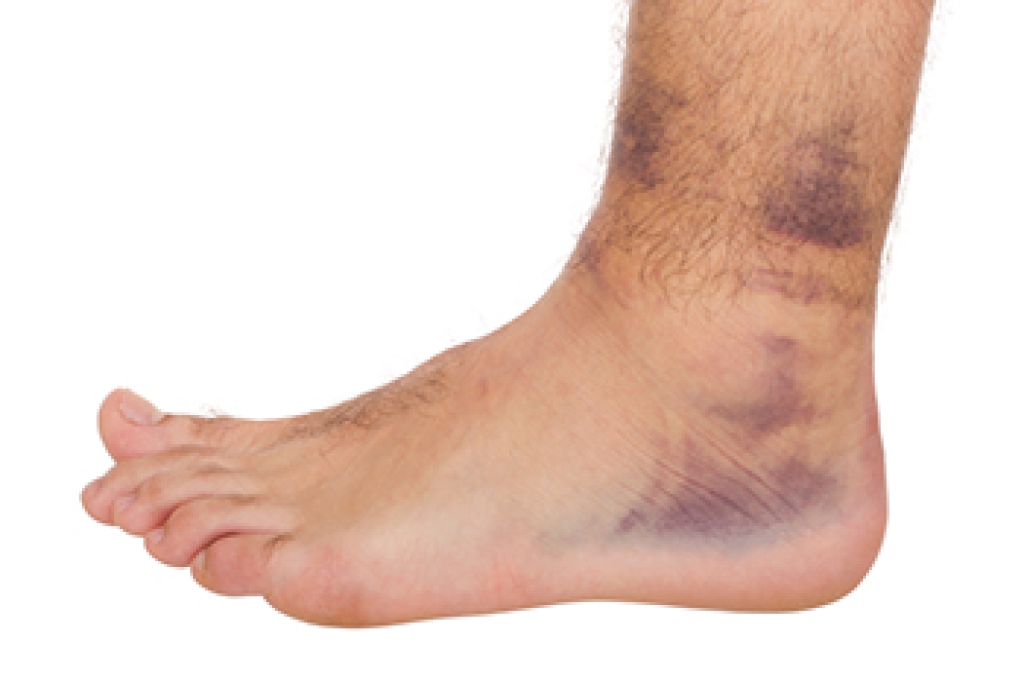
A sprained ankle happens when the ligaments that support the joint are stretched or torn, usually from a sudden twist or fall. This injury can cause pain, swelling, and a feeling of instability. It may be hard to walk or put weight on the affected foot. The level of damage can vary from a mild stretch to a complete tear. Early care makes a difference in how well and how quickly the ankle heals. Rest helps reduce swelling. Elevating the ankle and avoiding weight-bearing activities can prevent further damage. Supportive wraps or braces may be helpful, and trying to walk too soon can delay healing. If your ankle remains swollen or unstable, it is suggested you schedule an appointment with a podiatrist for a full evaluation and appropriate treatment.

Although ankle sprains are common, they aren’t always minor injuries. If you need your ankle injury looked at, contact Peter Siroka, DPM from Connecticut. Our doctor can provide the care you need to keep you pain-free and on your feet.

How Does an Ankle Sprain Occur?

Ankle sprains are the result of a tear in the ligaments within the ankle. These injuries may happen when you make a rapid shifting movement while your foot is planted. A less common way to sprain your ankle is when your ankle rolls inward while your foot turns outward.

What Are the Symptoms?

  • Pain at the sight of the tear
  • Bruising/Swelling
  • Ankle area is tender to touch
  • In severe cases, may hear/feel something tear
  • Skin discoloration

Preventing a Sprain

  • Wearing appropriate shoes for the occasion
  • Stretching before exercises and sports
  • Knowing your limits

Treatment of a Sprain

In many cases, the RICE method (Rest, Ice, Compression, and Elevate) is used to treat ankle sprains. However, you should see a podiatrist to see which treatment option would work best with your injury. In severe cases, surgery may be required.

It is important to ask your doctor about rehab options after you receive treatment for your injury. Stretching, strength training, and balance exercises may help the ankle heal while also preventing further injury.

If you have any questions, please feel free to contact our office located in Stamford, CT . We offer the newest diagnostic and treatment technologies for all your foot care needs.

Read more about Three Grades of Ankle Sprains

Causes and Symptoms for Broken Ankles

A broken ankle is a serious injury involving a fracture of one or more bones in the ankle joint. It can result from falls, sports injuries, car accidents, or twisting the ankle awkwardly. Symptoms of a broken ankle include severe pain, swelling, bruising, inability to bear weight, and visible deformity in some cases. The area may feel tender, and movement can be limited or impossible. Treatment depends on the severity and location of the fracture. Minor breaks may require immobilization with a cast or boot, while severe fractures might need surgery to realign and stabilize the bones. Pain management and targeted exercises are important for recovery and restoring mobility. A podiatrist can diagnose your injury through a physical exam and imaging tests like X-rays. They will guide you through treatment and rehabilitation to ensure proper healing. If you think you have a broken ankle, it is suggested that you promptly make an appointment with a podiatrist for appropriate treatment solutions.

Broken ankles need immediate treatment. If you are seeking treatment, contact Peter Siroka, DPM from Connecticut. Our doctor can provide the care you need to keep you pain-free and on your feet. 

Broken Ankles
A broken ankle is experienced when a person fractures their tibia or fibula in the lower leg and ankle area. Both of these bones are attached at the bottom of the leg and combine to form what we know to be our ankle.

When a physician is referring to a break of the ankle, he or she is usually referring to a break in the area where the tibia and fibula are joined to create our ankle joint. Ankles are more prone to fractures because the ankle is an area that suffers a lot of pressure and stress. There are some obvious signs when a person experiences a fractured ankle, and the following symptoms may be present.

Symptoms of a Fractured Ankle

  • Excessive pain when the area is touched or when any pressure is placed on the ankle
  • Swelling around the area
  • Bruising of the area
  • Area appears to be deformed

If you suspect an ankle fracture, it is recommended to seek treatment as soon as possible. The sooner you have your podiatrist diagnose the fracture, the quicker you’ll be on the way towards recovery.

If you have any questions, please feel free to contact our office located in Stamford, CT . We offer the newest diagnostic and treatment technologies for all your foot care needs.

Read more about All About Broken Ankle

Corns on the Feet Are Small Bumps That Can Cause Big Discomfort

Corns are thickened areas of skin that develop on the feet due to repeated pressure or friction, often from tight shoes, high heels, or abnormal gait. They commonly form on the top and sides of toes or the soles of the feet. Corns may appear as hard, raised bumps surrounded by inflamed skin. They can feel rough to the touch and may cause tenderness or a burning sensation, especially when walking or wearing shoes. While over-the-counter remedies exist, improper removal can lead to infection or worsening symptoms. A podiatrist can safely remove corns, assess for underlying causes like misaligned toes or poor footwear, and recommend treatments such as custom orthotics, padding, or changes in footwear to prevent recurrence. If corns are interfering with your comfort or mobility, it is suggested that you make an appointment with a podiatrist.

If you have any concerns regarding your feet and ankles, contact Peter Siroka, DPM of Connecticut. Our doctor will treat your foot and ankle needs.

Corns: What Are They? and How Do You Get Rid of Them?
Corns can be described as areas of the skin that have thickened to the point of becoming painful or irritating. They are often layers and layers of the skin that have become dry and rough, and are normally smaller than calluses.

Ways to Prevent Corns
There are many ways to get rid of painful corns such as wearing:

  • Well-fitting socks
  • Comfortable shoes that are not tight around your foot
  • Shoes that offer support

Treating Corns
Treatment of corns involves removing the dead skin that has built up in the specific area of the foot. Consult with Our doctor to determine the best treatment option for your case of corns.

If you have any questions, please feel free to contact our office located in Stamford, CT . We offer the newest diagnostic and treatment technologies for all your foot care needs.

Read more about Understanding Corns and Calluses

Common Problems That Affect Aging Feet

As we grow older, our feet experience natural changes that can lead to discomfort and mobility issues. The skin becomes thinner and drier, fat pads on the soles wear down, and circulation may slow. These shifts can make walking or standing more difficult and increase the risk of injury. Common problems include bunions, hammertoes, arthritis, and thickened or brittle toenails. Many seniors also develop calluses, corns, or changes in foot shape that make shoes less comfortable. Nerve sensitivity may decline, making it harder to notice pain or injury, especially in those with diabetes or vascular conditions. Staying active, wearing supportive footwear, and inspecting the feet regularly can help reduce the impact of these issues. Foot discomfort should never be seen as an acceptable part of aging. If you notice ongoing pain, numbness, or changes in how your feet feel or function, it is suggested you consult a podiatrist for evaluation and personalized care.

If you need your feet checked, contact Peter Siroka, DPM of Connecticut. Our doctor will attend to all of your foot and ankle needs and provide you with quality treatment.

Geriatrics and Podiatry
When people age, some common issues that may occur are bone density loss, dry skin, poor circulation, and rough brittle nails. These issues may also affect your foot health if the necessary steps are not taken to alleviate the problems.

It is important to take care of your feet because feet that are injured or diseased can affect your overall health. Having painful feet hinders your ability to do daily activities or may decrease your willingness to do the things that you need to do.

Visiting Your Geriatrician
As we age, health problems become more likely, so it is essential to visit your doctor for check-ups to ensure that you are doing the best you can to take care of your health. It is recommended to check your feet frequently for any possible cuts, bruises, swelling, corns or any other irregularities. 

Taking Care of Elderly Feet
Cracked or dry feet can be treated by applying moisturizer often. It is also important not to wear old socks because the older the sock is, the higher the possibility there will be that there is bacteria there. Wear fresh socks and make sure they fit properly.

Proper foot health means that you can have a more active lifestyle and you will not be bogged down by pain. Foot health also leads to good circulation, which is paramount for overall health.

If you have any questions, please feel free to contact our office located in Stamford, CT . We offer the newest diagnostic and treatment technologies for all your foot care needs.

Read more about Geriatrics and Podiatry

Foot Conditions Related to Diabetes

Diabetes can have a serious impact on your feet, often in ways that go unnoticed until complications arise. High blood sugar can damage nerves and blood vessels, leading to a condition called diabetic neuropathy. This may cause numbness, tingling, or burning sensations in the feet. Beyond the usual symptoms, some people may lose the ability to feel heat, cold, or pain, making them unaware of cuts, blisters, or injuries. Poor circulation can also slow healing, turning minor wounds into serious infections or ulcers. The skin may appear dry, cracked, or unusually shiny, and changes in foot shape or color may occur over time. A podiatrist plays a key role in diabetic foot care. They offer regular screenings, treat wounds early, and educate patients on daily foot inspections. This specialized care helps prevent complications. If you have diabetes, it is strongly suggested that you are under the care of a podiatrist who can help you to manage this serious condition. 

Diabetic foot care is important in preventing foot ailments such as ulcers. If you are suffering from diabetes or have any other concerns about your feet, contact Peter Siroka, DPM from Connecticut. Our doctor can provide the care you need to keep you pain-free and on your feet.

Diabetic Foot Care

Diabetes affects millions of people every year. The condition can damage blood vessels in many parts of the body, especially the feet. Because of this, taking care of your feet is essential if you have diabetes, and having a podiatrist help monitor your foot health is highly recommended.

The Importance of Caring for Your Feet

  • Routinely inspect your feet for bruises or sores.
  • Wear socks that fit your feet comfortably.
  • Wear comfortable shoes that provide adequate support.

Patients with diabetes should have their doctor monitor their blood levels, as blood sugar levels play such a huge role in diabetic care. Monitoring these levels on a regular basis is highly advised.

It is always best to inform your healthcare professional of any concerns you may have regarding your feet, especially for diabetic patients. Early treatment and routine foot examinations are keys to maintaining proper health, especially because severe complications can arise if proper treatment is not applied.

If you have any questions, please feel free to contact our office located in Stamford, CT . We offer the newest diagnostic and treatment technologies for all your foot care needs.

Read more about How to Care for Diabetic Foot

Managing a Broken Toe

A broken toe may result from a direct hit, such as stubbing the toe, dropping something heavy on it, or from repeated stress like running or jumping. Pain, swelling, bruising, and difficulty walking are common signs of a toe fracture. Some breaks can cause the bone to shift out of place, while others stay aligned but still cause discomfort. A broken toe may be open, with a wound that exposes the bone, or closed, where the skin remains unbroken. Ignoring the injury can lead to long-term problems, such as poor healing or joint stiffness. A podiatrist can check for bone displacement or hidden fractures using an X-ray or other imaging, as well as assess any risks of infection or complications. Depending on the type and severity of the break, a podiatrist may stabilize the toe with a cast, special shoe, or taping method. Surgery may be needed to realign the bone. If you have broken a toe, it is suggested that you promptly schedule an appointment with a podiatrist for an exam and appropriate treatment options.

Broken toes may cause a lot of pain and should be treated as soon as possible. If you have any concerns about your feet, contact Peter Siroka, DPM from Connecticut. Our doctor will treat your foot and ankle needs.

What Is a Broken Toe?

A broken toe occurs when one or more of the toe bones of the foot are broken after an injury. Injuries such as stubbing your toe or dropping a heavy object on it may cause a toe fracture.

Symptoms of a Broken Toe

  • Swelling
  • Pain (with/without wearing shoes)
  • Stiffness
  • Nail Injury

Although the injured toe should be monitored daily, it is especially important to have a podiatrist look at your toe if you have severe symptoms. Some of these symptoms include worsening or new pain that is not relieved with medication, sores, redness, or open wounds near the toe.

If you have any questions please feel free to contact our office located in Stamford, CT . We offer the newest diagnostic tools and technology to treat your foot and ankle needs.

Read more about What to Know About a Broken Toe

Understanding Pain on the Bottom of the Foot

Discomfort on the underside of the foot can come from several sources and may interfere with walking or standing. A common reason is strain on the thick tissue that supports the arch, which can lead to soreness near the heel or through the middle of the foot. This discomfort may be more noticeable when getting out of bed or after long periods of time on your feet. Other possible causes include nerve irritation, added pressure on the front of the foot, or inflammation near the heel. Wearing poor footwear, long hours of standing, or overuse during activity may increase the chances of pain. Without proper care, these symptoms may linger or get worse, over time. If you are noticing ongoing soreness on the bottom of your foot, it is suggested that you schedule an appointment with a podiatrist for a diagnosis and appropriate treatment.

Foot Pain

Foot pain can be extremely painful and debilitating. If you have a foot pain, consult with Peter Siroka, DPM from Connecticut. Our doctor will assess your condition and provide you with quality foot and ankle treatment.

Causes

Foot pain is a very broad condition that could be caused by one or more ailments. The most common include:

  • Bunions
  • Hammertoes
  • Plantar Fasciitis
  • Bone Spurs
  • Corns
  • Tarsal Tunnel Syndrome
  • Ingrown Toenails
  • Arthritis (such as Gout, Rheumatoid, and Osteoarthritis)
  • Flat Feet
  • Injury (from stress fractures, broken toe, foot, ankle, Achilles tendon ruptures, and sprains)
  • And more

Diagnosis

To figure out the cause of foot pain, podiatrists utilize several different methods. This can range from simple visual inspections and sensation tests to X-rays and MRI scans. Prior medical history, family medical history, and any recent physical traumatic events will all be taken into consideration for a proper diagnosis.

Treatment

Treatment depends upon the cause of the foot pain. Whether it is resting, staying off the foot, or having surgery; podiatrists have a number of treatment options available for foot pain.

If you have any questions, please feel free to contact our office located in Stamford, CT . We offer the newest diagnostic and treatment technologies for all your foot care needs.

Read more about Foot Pain

Connect With Us

scroll to top