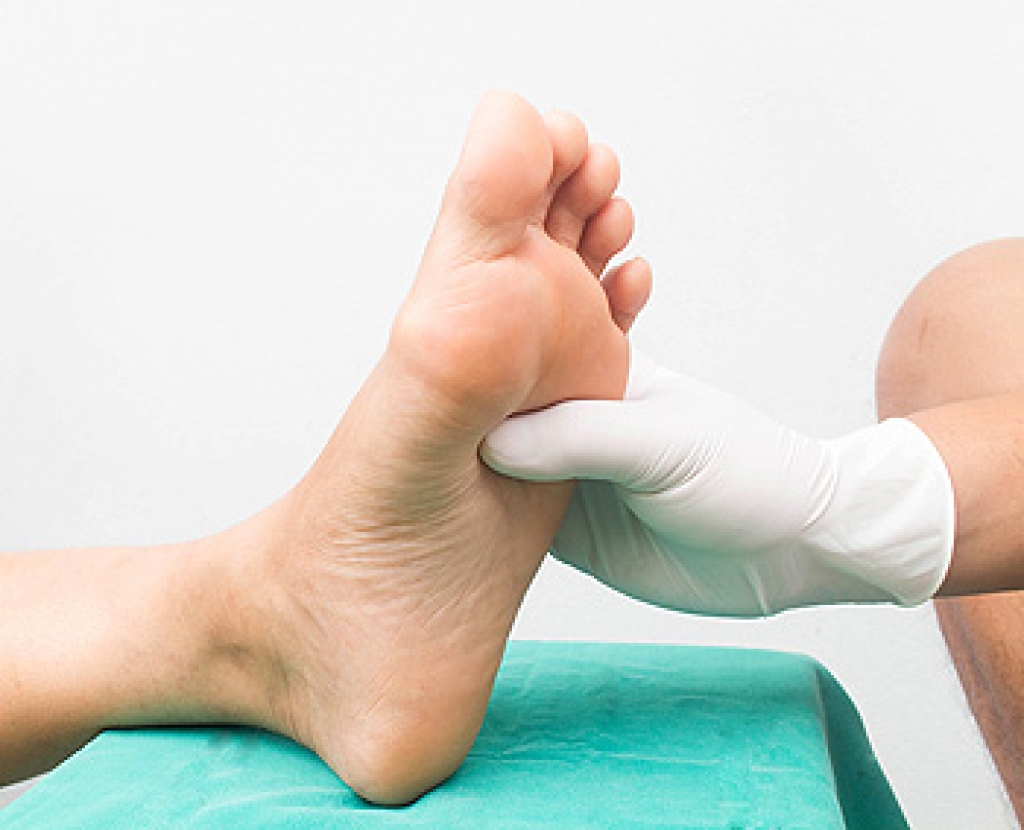
If you're experiencing ankle pain, you may be suffering from an ankle injury. Sprains, fractures, Achilles tendonitis, and Achilles tendon ruptures are just some examples of potential ankle injuries. Don't wait for care for an ankle injury, as it may worsen over time. We can help!
A small, thickened area of skin on the foot may be a corn. It can cause severe pain, despite its small size. A corn develops as a result of excess friction that generally comes from wearing socks or shoes that are too tight. Frequent rubbing against the shoe can cause a corn to form on the pinky toe or top of the toes. Many people who have a corn notice their walking style shifts to accommodate for the discomfort felt. In addition to wearing shoes and socks that do not fit well, a corn can happen if the toe is deformed or if there is poor bone alignment. Mild relief may be found when the foot is soaked in warm water as this may help to soften the corn. At this point, a pumice stone may be used to gently file the corn down, although this is a temporary solution. If you have a corn on your foot, it is suggested that you visit a podiatrist who can remove it and provide methods to prevent future corns from developing.
Corns can make walking very painful and should be treated immediately. If you have questions regarding your feet and ankles, contact Peter Siroka, DPM of Connecticut. Our doctor will treat your foot and ankle needs.
Corns: What Are They? And How Do You Get Rid of Them? Corns are thickened areas on the skin that can become painful. They are caused by excessive pressure and friction on the skin. Corns press into the deeper layers of the skin and are usually round in shape.
Ways to Prevent Corns There are many ways to get rid of painful corns such as:
Wearing properly fitting shoes that have been measured by a professional
Wearing shoes that are not sharply pointed or have high heels
Wearing only shoes that offer support
Treating Corns
Although most corns slowly disappear when the friction or pressure stops, this isn’t always the case. Consult with your podiatrist to determine the best treatment option for your case of corns.
If you have any questions, please feel free to contact our office located in Stamford, CT. We offer the newest diagnostic and treatment technologies for all your foot care needs.
There are various reasons why pain in the big toe can happen. The foot condition that is known as gout causes sharp pain in the joints of the big toe. Many people notice the pain can begin at night, and happens as a result of excess uric acid that collects in the toe joints. Having an ingrown toenail can cause intense toe pain. This condition occurs when the nail grows into the skin of the side of the toe instead of over it, and can be accompanied by swelling, redness, and tenderness. The ligaments in the toe are affected when turf toe happens, and can be a common injury among athletes. A bony lump that forms on the side of the big toe may indicate a bunion has developed. The gradual movement of this toe may cause the other toes to shift toward each other, and larger shoes may need to be purchased. If you have toe pain, it is suggested that you confer with a podiatrist who can determine the cause and offer effective treatment solutions.
Toe pain can disrupt your daily activities. If you have any concerns, contact Peter Siroka, DPM of Connecticut. Our doctor can provide the care you need to keep you pain-free and on your feet.
What Causes Toe Pain?
Most severe toe pain is caused due to a sports injury, trauma from dropping something heavy on the toe, or bumping into something rigid. Other problems can develop over time for various reasons.
Toe pain can be caused by one or more ailments. The most common include:
Trauma
Sports injury
Wearing shoes that are too tight
Arthritis
Gout
Corns and calluses
Hammertoe
Bunions
Blisters
Ingrown toenails
Sprains
Fractures (broken bones)
Dislocations
When to See a Podiatrist
Severe pain
Persistent pain that lasts more than a week
Signs of infection
Continued swelling
Pain that prevents walking
Diagnosis
In many cases the cause of toe pain is obvious, but in others, a podiatrist may want to use more advanced methods to determine the problem. These can range from simple visual inspections and sensation tests to X-rays and MRI scans. Prior medical history, family medical history, and any recent physical traumatic events will all be taken into consideration for a proper diagnosis.
Treatment
Treatments for toe pain and injuries vary and may include shoe inserts, padding, taping, medicines, injections, and in some cases, surgery. If you believe that you have broken a toe, please see a podiatrist as soon as possible.
If you have any questions please contact our office located in Stamford, CT. We offer the newest diagnostic and treatment technologies for all your foot and ankle needs.
People who are afflicted with plantar warts may have difficulty walking. These growths are found on the soles of the feet and can cause severe pain and discomfort. This is a result of the consistent weight the feet endure while walking and standing during the day. Plantar warts are caused by a virus that is known as the human papillomavirus, or HPV. This virus is contagious, and lives in warm and moist environments. These can consist of public swimming pools, locker rooms, and shower room floors. It is beneficial to wear appropriate shoes while in these areas, such as flip flops or water shoes. This type of wart will generally take several weeks or months to completely disappear. Many patients seek treatment to relieve the pain, which may include removal for faster relief. If you have a plantar wart, it is suggested that you speak to a podiatrist who can guide you toward the treatment that is correct for you.
Plantar warts can be very uncomfortable. If you need your feet checked, contact Peter Siroka, DPM from Connecticut. Our doctor will assist you with all of your foot and ankle needs.
About Plantar Warts
Plantar warts are the result of HPV, or human papillomavirus, getting into open wounds on the feet. They are mostly found on the heels or balls of the feet.
While plantar warts are generally harmless, those experiencing excessive pain or those suffering from diabetes or a compromised immune system require immediate medical care. Plantar warts are easily diagnosed, usually through scraping off a bit of rough skin or by getting a biopsy.
Symptoms
Lesions on the bottom of your feet, usually rough and grainy
Hard or thick callused spots
Wart seeds, which are small clotted blood vessels that look like little black spots
Pain, discomfort, or tenderness of your feet when walking or standing
Treatment
Freezing
Electric tool removal
Laser Treatment
Topical Creams (prescription only)
Over-the-counter medications
To help prevent developing plantar warts, avoid walking barefoot over abrasive surfaces that can cause cuts or wounds for HPV to get into. Avoiding direct contact with other warts, as well as not picking or rubbing existing warts, can help prevent the further spread of plantar warts. However, if you think you have developed plantar warts, speak to your podiatrist. He or she can diagnose the warts on your feet and recommend the appropriate treatment options.
If you have any questions, please feel free to contact our office located in Stamford, CT. We offer the newest diagnostic and treatment technologies for all your foot care needs.
During a woman’s pregnancy, she might notice that her feet fall asleep frequently. In other words, she might notice that her feet often experience numbness or a pins-and-needles feeling. This is actually not an uncommon symptom that results from pregnancy. In fact, many women can experience this feeling in the feet at night or immediately upon waking in the morning. The reason why pregnancy can cause numbness in the feet is due to the fact that pregnancy can lead to nerve compression in this area. If you are someone that is pregnant or planning to be, it is suggested that you contact a podiatrist today. This foot specialist will be able to help the pregnant woman navigate feelings of numbness in the feet.
Pregnant women with swollen feet can be treated with a variety of different methods that are readily available. For more information about other cures for swollen feet during pregnancy, consult with Peter Siroka, DPM from Connecticut. Our doctor will attend to all of your foot and ankle needs.
What Foot Problems Can Arise During Pregnancy?
One problem that can occur is overpronation, which occurs when the arch of the foot flattens and tends to roll inward. This can cause pain and discomfort in your heels while you’re walking or even just standing up, trying to support your baby.
Another problem is edema, or swelling in the extremities. This often affects the feet during pregnancy but tends to occur in the later stages.
How Can I Keep My Feet Healthy During Pregnancy?
Wearing orthotics can provide extra support for the feet and help distribute weight evenly
Minimize the amount of time spent walking barefoot
Wear shoes with good arch support
Wear shoes that allow for good circulation to the feet
Elevate feet if you experience swelling
Massage your feet
Get regular, light exercise, such as walking, to promote blood circulation to the feet
If you have any questions, please feel free to contact our office located in Stamford, CT. We offer the newest diagnostic and treatment technologies for all your foot care needs.
Diabetic neuropathy is one of the more serious side effects of maintaining high blood sugar levels for a long period of time. Neuropathy brought on by diabetes is the result of damage to the peripheral nerves, blocking the messages that control sensation to the feet. The effect is numbness, tingling, burning pain, and a reduced ability to detect changes in temperature. Weakness in the lower limbs and feet may result in pain, which can be treated with a number of medications. Infections from sores on the feet are commonly associated with peripheral diabetic neuropathy. In many cases, these sores, cuts, or other injuries to the feet become ulcerated because the patient is unable to detect them. Therefore, taking the time each day to inspect the feet, especially the soles, is imperative to ward off further damage. Increasing the level of exercise is thought to be helpful, and some patients receive pain relief from electro-stimulation treatments. If you have diabetes and are experiencing problems in the feet, it is suggested that you make an appointment with a podiatrist for an exam and treatment options.
Diabetic foot care is important in preventing foot ailments such as ulcers. If you are suffering from diabetes or have any other concerns about your feet, contact Peter Siroka, DPM from Connecticut. Our doctor can provide the care you need to keep you pain-free and on your feet.
Diabetic Foot Care
Diabetes affects millions of people every year. The condition can damage blood vessels in many parts of the body, especially the feet. Because of this, taking care of your feet is essential if you have diabetes, and having a podiatrist help monitor your foot health is highly recommended.
The Importance of Caring for Your Feet
Routinely inspect your feet for bruises or sores.
Wear socks that fit your feet comfortably.
Wear comfortable shoes that provide adequate support.
Patients with diabetes should have their doctor monitor their blood levels, as blood sugar levels play such a huge role in diabetic care. Monitoring these levels on a regular basis is highly advised.
It is always best to inform your healthcare professional of any concerns you may have regarding your feet, especially for diabetic patients. Early treatment and routine foot examinations are keys to maintaining proper health, especially because severe complications can arise if proper treatment is not applied.
If you have any questions, please feel free to contact our office located in Stamford, CT. We offer the newest diagnostic and treatment technologies for all your foot care needs.
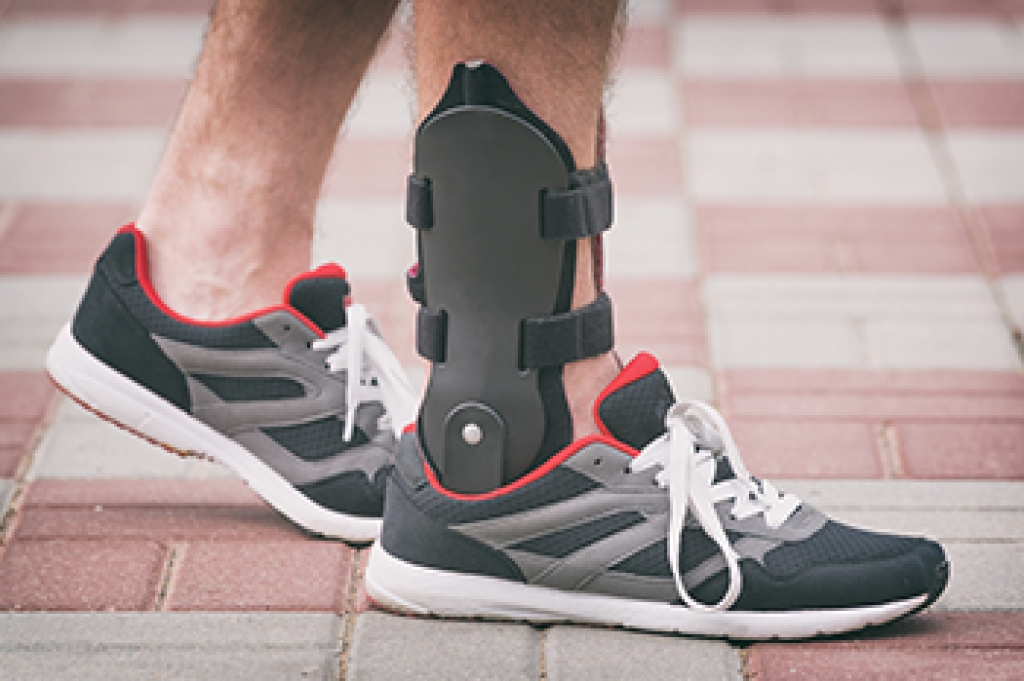
If you have injured an ankle, it may take a long time to heal. The goal is to help it heal completely in order to ward off future injuries to the same ankle. Many patients find that using an ankle brace can help. In fact, in many cases, wearing an ankle brace also helps to prevent an injury in the first place. A number of types of ankle braces are available, including those made with elastic materials that slip onto the foot and those made with more solid material and straps that encase the foot. A brace can help to reduce strain, tension, and pressure on the ankle joint. One of the major uses of an ankle brace is to immobilize the joint and help to reduce swelling after an injury. Among the many problems that can be helped by wearing an ankle brace are sprains, Achilles tendonitis, and arthritis. For help with choosing the correct type of ankle brace, it is suggested that you make an appointment with a podiatrist.
If you are having discomfort in your feet and would like to try orthotics, contact Peter Siroka, DPM from Connecticut. Our doctor can provide the care you need to keep you pain-free and on your feet.
What Are Orthotics?
Orthotics are inserts you can place into your shoes to help with a variety of foot problems such as flat feet or foot pain. Orthotics provide relief and comfort for minor foot and heel pain but can’t correct serious biomechanical problems in your feet.
Over-the-Counter Inserts
Orthotics come in a wide variety of over-the-counter inserts that are used to treat foot pain, heel pain, and minor problems. For example, arch supports can be inserted into your shoes to help correct overarched or flat feet, while gel insoles are often used because they provide comfort and relief from foot and heel pain by alleviating pressure.
Prescription Orthotics
If over-the-counter inserts don’t work for you or if you have a more severe foot concern, it is possible to have your podiatrist prescribe custom orthotics. These high-quality inserts are designed to treat problems such as abnormal motion, plantar fasciitis, and severe forms of heel pain. They can even be used to help patients suffering from diabetes by treating foot ulcers and painful calluses and are usually molded to your feet individually, which allows them to provide full support and comfort.
If you are experiencing minor to severe foot or heel pain, it’s recommended to speak with your podiatrist about the possibilities of using orthotics. A podiatrist can determine which type of orthotic is right for you and allow you to take the first steps towards being pain-free.
If you have any questions, please feel free to contact our office located in Stamford, CT. We offer the newest diagnostic and treatment technologies for all your foot care needs.
The band of tissue that connects the calf muscles to the heel is called the Achilles tendon. This tendon helps the body to walk, run, and jump, in addition to standing on tiptoes. When an Achilles tendon injury is experienced, it can cause a great deal of pain and discomfort. Common causes include increasing speed and distance too quickly while running and training on hard or uneven surfaces. Additionally, long-term conditions such as rheumatoid arthritis, diabetes, or thyroid disorders may lead to Achilles tendon injuries. Some of the symptoms associated with this ailment are stiffness, dull or sharp heel pain, and the back of the ankle may be swollen. If the injury is severe, surgery may be an option to consider for permanent repair. If you have endured an Achilles tendon injury, it is suggested that you consult a podiatrist who can provide the treatment solution that is right for you.
Achilles tendon injuries need immediate attention to avoid future complications. If you have any concerns, contact Peter Siroka, DPM of Connecticut. Our doctor can provide the care you need to keep you pain-free and on your feet.
What Is the Achilles Tendon?
The Achilles tendon is a tendon that connects the lower leg muscles and calf to the heel of the foot. It is the strongest tendon in the human body and is essential for making movement possible. Because this tendon is such an integral part of the body, any injuries to it can create immense difficulties and should immediately be presented to a doctor.
What Are the Symptoms of an Achilles Tendon Injury?
There are various types of injuries that can affect the Achilles tendon. The two most common injuries are Achilles tendinitis and ruptures of the tendon.
Achilles Tendinitis Symptoms
Inflammation
Dull to severe pain
Increased blood flow to the tendon
Thickening of the tendon
Rupture Symptoms
Extreme pain and swelling in the foot
Total immobility
Treatment and Prevention
Achilles tendon injuries are diagnosed by a thorough physical evaluation, which can include an MRI. Treatment involves rest, physical therapy, and in some cases, surgery. However, various preventative measures can be taken to avoid these injuries, such as:
Thorough stretching of the tendon before and after exercise
Strengthening exercises like calf raises, squats, leg curls, leg extensions, leg raises, lunges, and leg presses
If you have any questions please feel free to contact our office located in Stamford, CT. We offer the newest diagnostic tools and technology to treat your foot and ankle needs.
The feet are the workhorses of the body, absorbing shock and force whenever you stand, walk, run, or jump. Because they contain a large number of bones, tendons, muscles, and ligaments, the feet are often at risk for pain. Injury is one of the most common causes of foot pain. This category includes bone fractures, direct trauma, ligament sprains, and muscle or tendon strains. Heel or arch pain is frequently caused by a tearing of the plantar fascia, a band of tissue in the sole of the foot that connects the toes and heels. Heel pain also may be caused by bone spurs, which can be a direct result of plantar fasciitis, or of the thinning of the heel pad as you age. Bunions, hammertoes, and other bone deformities can be another source of foot and toe pain. Gout, which is an inflammatory disease caused by having excess uric acid in the body, can be extremely painful, often targeting the big toe. Nerve problems such as sesamoiditis and Morton’s neuroma are other painful conditions of the feet. If you are experiencing any type of foot pain, it is suggested that you schedule an appointment with a podiatrist who can examine your foot, and diagnose the source before recommending the appropriate treatment options.
Foot Pain
Foot pain can be extremely painful and debilitating. If you have a foot pain, consult with Peter Siroka, DPM from Connecticut. Our doctor will assess your condition and provide you with quality foot and ankle treatment.
Causes
Foot pain is a very broad condition that could be caused by one or more ailments. The most common include:
Bunions
Hammertoes
Plantar Fasciitis
Bone Spurs
Corns
Tarsal Tunnel Syndrome
Ingrown Toenails
Arthritis (such as Gout, Rheumatoid, and Osteoarthritis)
To figure out the cause of foot pain, podiatrists utilize several different methods. This can range from simple visual inspections and sensation tests to X-rays and MRI scans. Prior medical history, family medical history, and any recent physical traumatic events will all be taken into consideration for a proper diagnosis.
Treatment
Treatment depends upon the cause of the foot pain. Whether it is resting, staying off the foot, or having surgery; podiatrists have a number of treatment options available for foot pain.
If you have any questions, please feel free to contact our office located in Stamford, CT. We offer the newest diagnostic and treatment technologies for all your foot care needs.